2026 How to Use Calcium Nitrate for Growing Tomatoes?
Growing tomatoes can be a rewarding hobby. However, it comes with challenges. One crucial aspect is soil nutrition. Calcium Nitrate for tomatoes is a widely recommended solution. It provides essential nutrients, promoting healthy plant growth.
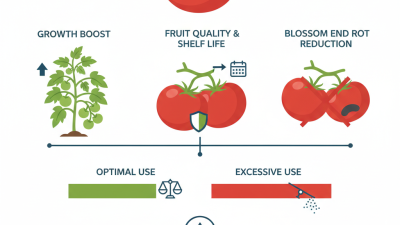
Calcium Nitrate helps prevent blossom end rot, a common tomato problem. This condition occurs when calcium levels are too low. By incorporating this fertilizer into the soil, you can enhance calcium availability. This ensures your tomatoes thrive throughout their growing stages.
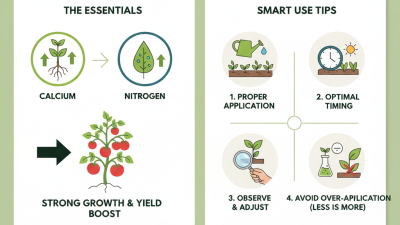
Using Calcium Nitrate effectively is an art and a science. Understanding your soil's nutrient content is vital. Too much of this fertilizer can harm plants. Balancing calcium and nitrogen is essential. Learning these nuances can lead to a fruitful harvest. Gardening requires patience and adjustments based on your experiences. Experimenting with Calcium Nitrate can be part of your journey to growing perfect tomatoes.

Understanding the Role of Calcium Nitrate in Tomato Growth
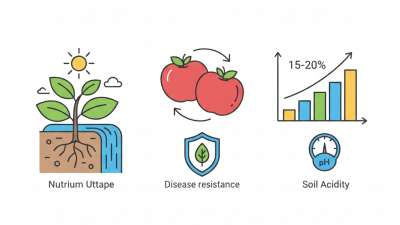
Calcium nitrate plays a crucial role in tomato growth. It provides essential calcium and nitrogen. These nutrients are vital for optimal plant development. Studies indicate that calcium deficiency can lead to blossom end rot, a common issue in tomatoes. Research shows that about 30% of growers experience this problem annually.
Using calcium nitrate increases fruit firmness and prolongs shelf life. A study published in the Journal of Plant Nutrition found that calcium nitrate-treated tomatoes had 20% higher firmness than untreated ones. This improvement helps in marketability and reduces loss during transportation.
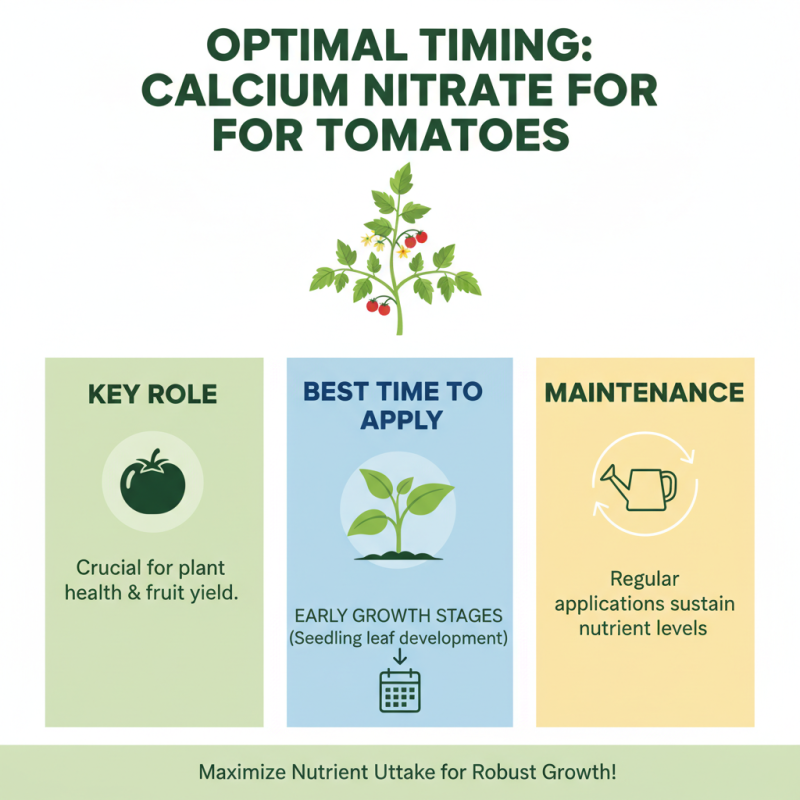
Applying calcium nitrate through fertigation can ensure even distribution. Many farmers notice an increase in yield by 10-15%. However, overapplication can lead to nutrient imbalances. Regular soil testing is recommended to avoid this. Adjusting pH levels is also necessary. Optimal pH for tomato growth is around 6.0 to 6.8. Regular monitoring will help gardeners achieve the best results.
2026 How to Use Calcium Nitrate for Growing Tomatoes?
| Growth Stage |
Calcium Nitrate Application (g/plant) |
Benefits |
Timing |
| Seedling |
5-10 |
Promotes strong root development and prevents transplant shock. |
2 weeks before transplanting |
| Vegetative |
10-15 |
Enhances leaf growth and overall plant vigor. |
Every 2-3 weeks during the vegetative phase |
| Flowering |
15-20 |
Supports flower and fruit set, prevents blossom end rot. |
At the onset of flowering |
| Fruiting |
20-25 |
Improves fruit quality and size, reduces fruit drop. |
Throughout the fruiting season, every 3-4 weeks |
Monitoring Tomato Health After Calcium Nitrate Application
Monitoring the health of tomato plants after applying calcium nitrate is crucial to achieving optimal growth. Calcium nitrate effectively supplies both calcium and nitrogen, essential nutrients for tomatoes. However, over-application can lead to nutrient imbalance. It's vital to observe plant responses closely. Symptoms like leaf curl or spotting may indicate over-fertilization, emphasizing the need for meticulous monitoring.
Regular soil tests can guide nutrient management. Data shows that calcium deficiencies lead to blossom end rot, affecting approximately 30% of tomato crops. Checking soil pH and nutrient levels can prevent this. Using moisture sensors can also help in determining when to water. Tomatoes thrive in well-drained, slightly acidic soil.
Tips: Monitor leaves for any signs of stress. Yellowing or browning can indicate nutrient issues. Keeping plants spaced correctly improves air circulation and minimizes disease risk. Regularly assess the surrounding environment for pests. Uninvited guests can impact tomato health significantly.
Successful calcium nitrate application hinges on careful observation and timely adjustments. Documenting plant responses allows for better decision-making. By synthesizing these insights, growers can enhance their tomato yields effectively.
Potential Risks and Considerations When Using Calcium Nitrate
When using calcium nitrate for growing tomatoes, it’s essential to consider potential risks. One common concern is nutrient imbalance. Too much calcium can lead to deficiencies in other vital nutrients, particularly magnesium and potassium. This can stunt growth and affect fruit production. Always test your soil before adding fertilizers to ensure a balanced approach.
Another risk involves over-fertilization. Applying excess calcium nitrate can cause root burn, leading to poor plant health. Monitor the concentration of your solutions closely. Aim for the recommended doses, as overdoing it can harm more than help. Symptoms may include yellowing leaves or wilting.
Additionally, consider the impact on soil pH. Calcium nitrate can increase alkalinity, which might not be suitable for all growing environments. Regular soil testing can assist with managing pH levels effectively. Lastly, keep an open mind. Not every tomato plant responds the same way to calcium nitrate. Experiment and adjust based on your specific conditions and observations.
Impact of Calcium Nitrate on Tomato Growth
This chart illustrates the impact of calcium nitrate on tomato growth, showing a significant increase in average yield when calcium nitrate is used. Without it, the yield is around 5 kg per plant, whereas with calcium nitrate, it increases to approximately 10 kg per plant.