What are the Benefits and Uses of Potassium Nitrate?
Potassium Nitrate, a colorless salt with the formula KNO3, is gaining recognition in various industries. It serves multiple purposes, including fertilizer production, food preservation, and even in some pyrotechnics. The Global Potassium Nitrate Market is projected to reach USD 2.3 billion by 2027, showcasing its growing importance.
In agriculture, Potassium Nitrate is essential for plant growth. It provides potassium and nitrogen, two vital nutrients. Research shows that potassium can enhance fruit size and crop yields. According to the Food and Agriculture Organization, the use of Potassium Nitrate in crop production can increase efficiency by 20% or more.
However, reliance on Potassium Nitrate raises concerns. Environmental impacts, such as soil degradation and water pollution, are significant. Farmers need to balance its benefits with sustainable practices. Using Potassium Nitrate effectively requires careful consideration. The necessity of research and proper application cannot be overstated.
Benefits of Potassium Nitrate in Agriculture and Horticulture
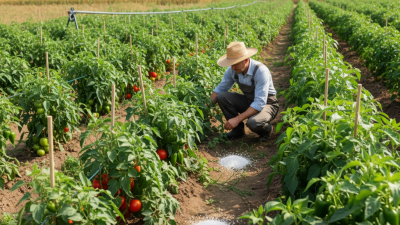
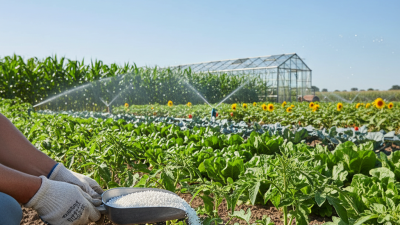
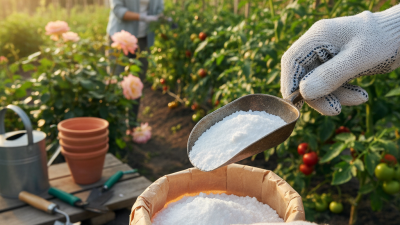
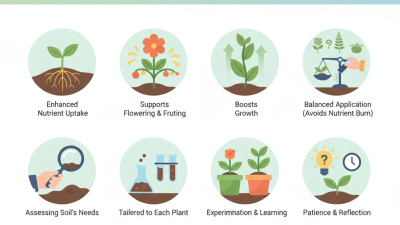
Potassium nitrate plays a vital role in agriculture and horticulture. This compound enhances plant growth by supplying essential nutrients. It contains both potassium and nitrogen, crucial for optimal plant health. Farmers often use it to improve crop yield and quality.
In horticulture, potassium nitrate aids in the blooming of flowers and fruiting of plants. It encourages strong root systems and helps plants resist stress. Many gardeners recommend it for vegetables and fruit trees, as it promotes larger and healthier produce.
Tip: Always follow recommended application rates. Overuse can harm plants or soil.
Understanding the right timing for application is key. Early spring is ideal for many crops, while fall may benefit others. Monitor plants closely to avoid nutrient imbalances.
Tip: Test soil nutrient levels periodically to guide your usage. Healthy soil leads to better results.
Industrial Applications of Potassium Nitrate in Manufacturing
Potassium nitrate is a versatile compound widely used in various industrial applications. In manufacturing, it serves multiple purposes. One of its primary roles is as a fertilizer. It provides essential nutrients to plants, supporting agriculture and horticulture. This enhances crop yield and quality. However, relying on potassium nitrate in fertilizers can lead to soil imbalances if not managed carefully.
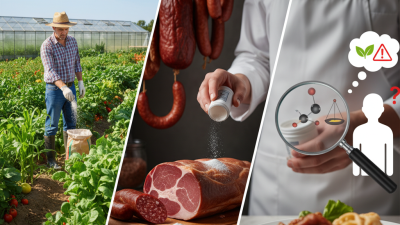
Additionally, potassium nitrate plays a crucial role in the production of glass and ceramics. It acts as a flux, lowering the melting point of raw materials. This results in energy savings during the manufacturing process. Furthermore, potassium nitrate is used in food preservation, particularly for curing meats. It helps in maintaining color and prevents bacterial growth. However, excessive consumption of cured foods may raise health concerns.
Manufacturers need to weigh the benefits against potential risks. Exploring alternative options may lead to better sustainability practices. The use of potassium nitrate in different industries shows great promise, but careful consideration is vital. Understanding its effects on health and the environment is increasingly essential.
Benefits and Uses of Potassium Nitrate in Manufacturing
Health and Dietary Uses of Potassium Nitrate
Potassium nitrate, often recognized for its unique properties, has notable applications in health and diet. This compound is a source of potassium, essential for maintaining electrolyte balance in the body. Many individuals use it to improve muscle function and heart health. Additionally, it can help manage blood pressure levels. However, moderation is key. Too much potassium can lead to complications.
Some people have found potassium nitrate beneficial in dietary supplements. It's sometimes included in products aimed at enhancing stamina and performance. Athletes may seek out such options to boost endurance during workouts. But, it's not universally accepted as safe for everyone. Some may experience side effects, emphasizing the need for careful consideration.
Moreover, potassium nitrate has been investigated for its potential role in promoting good dental health. Some studies suggest it may alleviate symptoms of sensitive teeth. But results are not definitive, leaving room for caution. Always consult a healthcare professional before adding new supplements to your routine. Understanding your body's needs is crucial.
Safety and Environmental Considerations of Potassium Nitrate Use
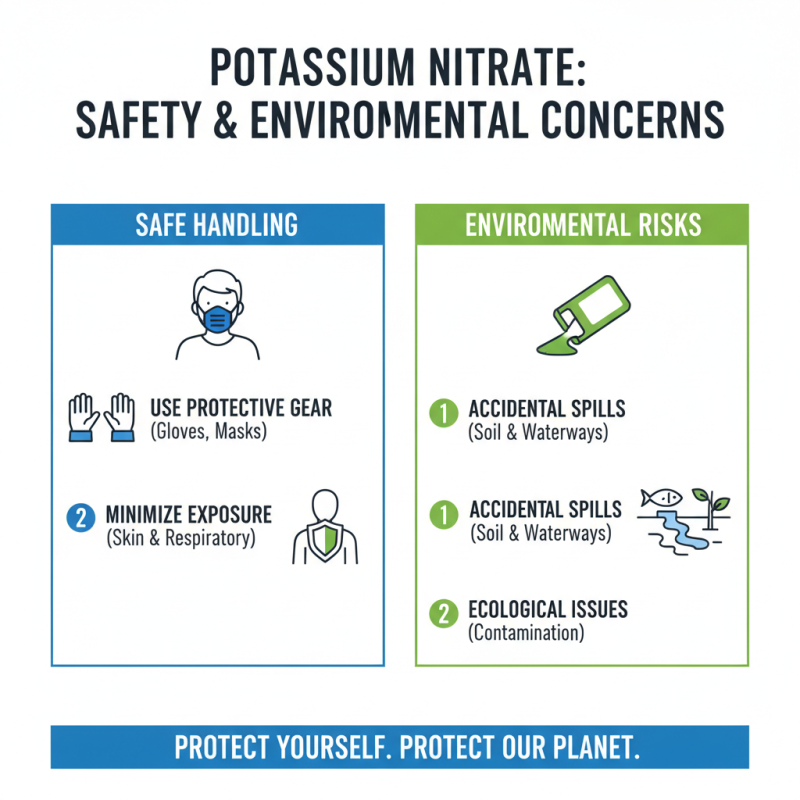
Potassium nitrate, commonly used in various sectors, raises safety and environmental concerns. When handled improperly, it can pose risks. It's essential to use protective gear, like gloves and masks, during handling. This minimizes exposure to skin and respiratory irritation. Accidental spills can contaminate soil and waterways, leading to broader ecological issues.
Applying potassium nitrate in agriculture can also have unintended consequences. Overuse may lead to nitrate leaching. This affects groundwater quality. Elevated nitrate levels in drinking water are harmful to human health. Farmers should be cautious and monitor soil health regularly. Education on proper application rates is crucial to mitigate risks.
People often overlook the long-term effects of potassium nitrate on the environment. While it boosts plant growth, its environmental footprint can be significant. Thinking critically about its use in various applications is necessary. Balancing the benefits and potential dangers requires vigilance and responsibility.
Potassium Nitrate in Food Preservation and Flavor Enhancement
Potassium nitrate is a key player in food preservation. It helps prevent spoilage by inhibiting the growth of harmful bacteria. This is particularly useful for meats and certain cheeses. When used correctly, it enhances food safety. However, using too much can lead to negative health effects. It’s crucial to find the right balance.
In flavor enhancement, potassium nitrate can intensify the taste of cured meats. It gives that distinct pink color and savory flavor. Beyond meats, it can improve the flavor profile of pickled vegetables. Yet, over-relying on it may mask natural flavors. This could lead to a less authentic culinary experience. Chefs need to experiment and adjust their recipes carefully.
The use of potassium nitrate in foods raises questions about health. While it offers benefits, moderation is vital. Consumers are becoming more aware of additives. They seek transparency and natural alternatives. It's important to reflect on how much we rely on preservatives and their long-term impact on health. Balancing preservation and health remains a challenge in modern cooking.