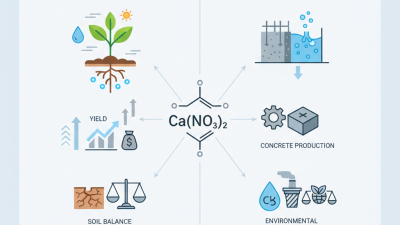
Calcium Nitrate is increasingly recognized for its diverse benefits in various industries. This compound serves not only as a fertilizer but also as a crucial component in several applications. Its significance is growing among global buyers, especially in agriculture and construction sectors, due to its effectiveness and versatility.
One major advantage of Calcium Nitrate is its ability to enhance plant growth. Farmers rely on this compound to deliver essential nutrients directly to crops. It helps improve soil fertility and can lead to better yield. In the construction industry, Calcium Nitrate plays an important role as a concrete additive. It helps accelerate curing times and strengthens the final product.
Despite its advantages, it is important to consider how Calcium Nitrate affects the environment. Overuse can lead to nutrient runoff, which harms water systems. Buyers must reflect on sustainable practices when using this compound. Understanding both the benefits and potential drawbacks is essential for making informed decisions in the market.

Calcium nitrate is a versatile chemical compound widely used in agriculture. It serves as a source of both calcium and nitrogen, two essential nutrients for plant growth. Farmers value it for its ability to enhance crop yield and quality. Its solubility in water allows for easy application through irrigation systems.
Beyond agriculture, calcium nitrate exhibits several benefits worth noting. It improves soil structure, promoting better water retention and aeration. This can lead to healthier root systems. Additionally, it acts as a pH stabilizer, which benefits a wide range of crops. It's crucial for buyers to understand these properties for effective use.
However, potential downsides exist. Improper application may lead to nutrient imbalances in the soil. Moreover, overuse can result in environmental concerns, such as increased nitrates in groundwater. Understanding these factors is essential for responsible usage. Buyers should engage with soil experts to tailor their calcium nitrate application effectively, ensuring both crop health and environmental sustainability.
| Benefit | Description | Application | Key Considerations |
|---|---|---|---|
| Enhances Plant Growth | Calcium nitrate supports root development and boosts overall plant health. | Use in fruit and vegetable production. | Ensure proper application rate to avoid nutrient burn. |
| Improves Soil Structure | Calcium helps to improve soil aggregation, promoting better water infiltration. | Beneficial in sandy and clay soils. | Test soil pH for optimal results. |
| Prevents Blossom End Rot | Calcium nitrate aids in preventing this common deficiency in tomatoes and peppers. | Apply during critical growth phases. | Monitor watering practices to assure calcium availability. |
| Slow Release of Nitrogen | Provides a steady supply of nitrogen without leaching. | Ideal for controlled environment agriculture. | Combine with other fertilizers for balanced nutrition. |
| Enhances Disease Resistance | Strengthens cell walls in plants, making them less susceptible to pests. | Useful in high-density plantings. | Integrate with disease management practices. |
| Improves Crop Yield | Regular application correlates with higher yields in various crops. | Suitable for annual and perennial crops. | Consistency in application is key. |
| Compatibility with Other Nutrients | Works well with a wide range of fertilizers, enhancing overall effectiveness. | Combines effectively in fertigation systems. | Check for specific compatibility before mixing. |
| Environmentally Friendly | Calcium nitrate is a sustainable option for nutrient management. | Encourages organic farming practices. | Follow local regulations for usage. |
| Increases Nutritional Value | Improves the mineral composition of produce. | Important for leafy greens and root vegetables. | Regular testing of produce required. |

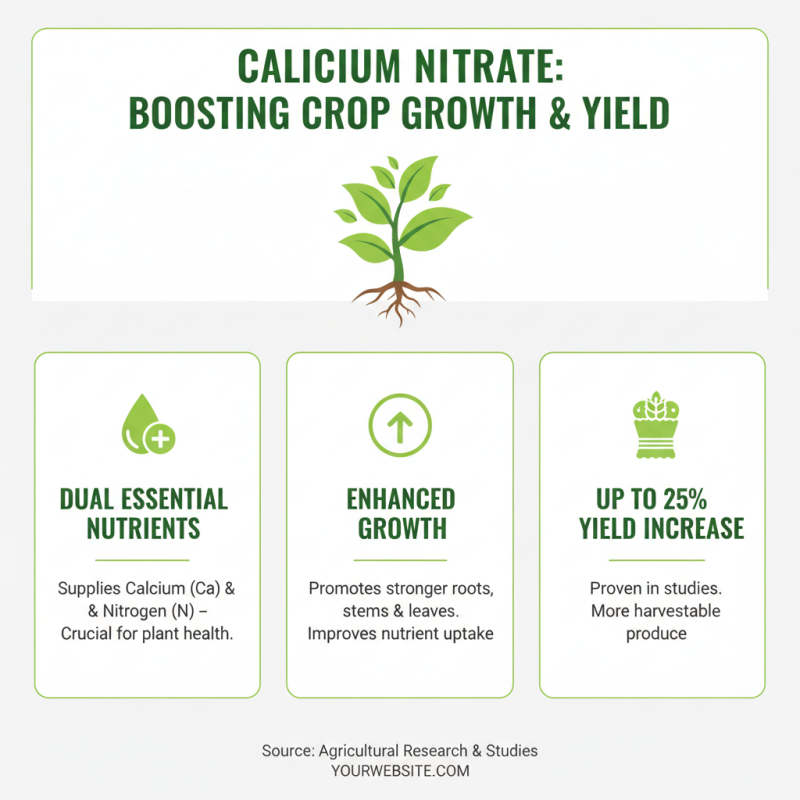
Calcium nitrate plays a vital role in enhancing crop growth and yield. This compound serves as a rich source of calcium and nitrogen, two essential nutrients for plants. Studies indicate that crops treated with calcium nitrate can show increases in yield by up to 25%. Such data underlines its significance in agricultural practices.
The calcium present not only strengthens cell walls but also improves plant structure. This is critical, especially for leafy greens and fruits. Nitrogen aids in chlorophyll production, which boosts photosynthesis. By enhancing these processes, calcium nitrate helps crops reach their full potential.
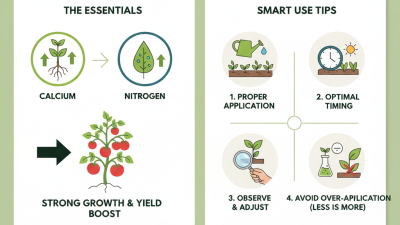
Tip: To maximize benefits, apply calcium nitrate during early growth stages. It ensures plants have access to the nutrients they need when they need them.
Optimizing nutrient availability can be tricky. Over-application can lead to nutrient leaching and negatively impact the environment. Monitoring soil and plant health is crucial. Farmers should aim to balance these nutrients carefully for sustainable practices.
Tip: Regular soil testing can help determine the ideal calcium nitrate application rates. This will support crop health while minimizing waste and environmental impact.
Calcium nitrate has emerged as a key player in promoting sustainable agricultural practices. Its use helps in reducing environmental impact while meeting the nutrient needs of crops. A 2022 report from the International Fertilizer Association noted that calcium nitrate can improve nitrogen use efficiency by as much as 30%. This efficiency can lead to lower greenhouse gas emissions associated with fertilizer application.
Moreover, this compound contributes to soil health management by enhancing microbial activity. Studies show that using calcium nitrate improves soil structure and water retention. According to a recent research article published in the Journal of Sustainable Agriculture, farms that incorporate calcium nitrate reported a 25% increase in soil organic matter. This change can lead to sustainable long-term farming practices, fostering a balanced ecosystem.
However, one must consider potential drawbacks. Over-reliance on calcium nitrate can result in imbalances in nutrient profiles. Soil testing and tailored applications remain essential. While the benefits are clear, ongoing research is needed to address these concerns and optimize its usage. Ensuring sustainability in agricultural practices requires continual evaluation of how calcium nitrate affects both soil and crop health.
Calcium nitrate is increasingly recognized for its cost-effectiveness in farming. This compound brings numerous economic benefits, particularly in crop production. According to the European Fertilizer Manufacturers Association, calcium nitrate can improve nitrogen use efficiency by up to 25%. This efficiency leads to a significant reduction in fertilizer costs.
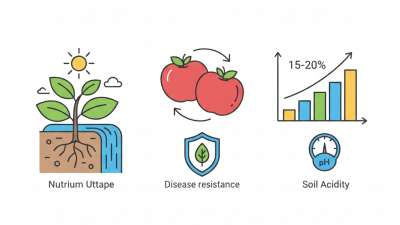
Farmers often face challenges with traditional fertilizers. The slow release of nutrients can waste resources. In contrast, calcium nitrate provides a readily available source of nitrogen. It assists in achieving higher yields per hectare. Data indicates that substituting with calcium nitrate can increase crop yields by 10-20%. This translates to better returns for farmers.
Despite its advantages, there are considerations to keep in mind. The upfront cost of calcium nitrate may be higher compared to other fertilizers. Farmers must weigh this initial investment against potential yield increases. The sustainability of calcium nitrate's use is also under scrutiny. Balancing its benefits with environmental impact is crucial. Buyers should conduct thorough research before committing to its use in their farming practices.
Calcium nitrate is often recognized for its agricultural benefits, but its applications extend far beyond that sector. In industrial settings, calcium nitrate plays a significant role in various processes. It is widely used as a fertilizer in greenhouses, promoting healthy plant growth. However, its importance does not end there. This compound serves as a critical component in producing concrete and other building materials.
In the construction industry, calcium nitrate enhances the durability and performance of concrete. It acts as a set accelerator, which accelerates the curing process. This advantage is particularly valuable in cooler climates where traditional curing methods can be slow. Additionally, it reduces the risk of cracking in concrete, making structures safer and more reliable.
Beyond construction, calcium nitrate is utilized in wastewater treatment. It helps in controlling odors and promoting the growth of beneficial bacteria. While these benefits are clear, it's essential to consider environmental impacts. Critics highlight the need for sustainable practices when sourcing and using chemicals like calcium nitrate. Balancing industrial needs with environmental care remains a challenge that requires ongoing reflection.