Top 5 Water Soluble Granular Fertilizer Benefits for Farmers?
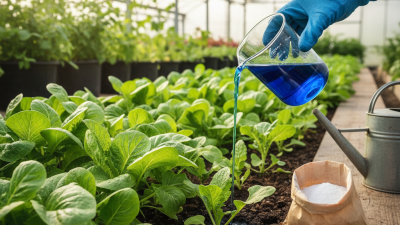
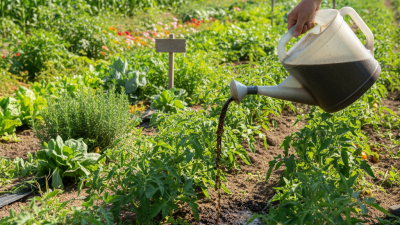
Water Soluble Granular Fertilizer has gained popularity among farmers for its many benefits. This type of fertilizer dissolves easily in water, making it simple to apply. Its effectiveness can lead to higher crop yields and healthier plants. When a farmer chooses this product, they benefit from precise nutrient delivery. The granules break down quickly and provide essential nutrients at the right time.
Utilizing Water Soluble Granular Fertilizer can also save farmers time and labor. It allows for efficient coverage over large areas, reducing the need for multiple applications. However, some may struggle with applying the correct dosage. Finding the right balance is crucial. Too little may not yield results, while too much can cause nutrient runoff.
Farmers must be informed when using these fertilizers. Understanding the best practices can maximize benefits. This approach fosters responsible agricultural practices and promotes environmental health. Ultimately, the right use of Water Soluble Granular Fertilizer results in thriving crops and sustainable farming. Choosing this product is more than a trend; it's about nurturing the land for future generations.
Key Advantages of Water Soluble Granular Fertilizers for Agriculture
Water-soluble granular fertilizers offer several advantages that can significantly benefit farmers. These fertilizers dissolve easily in water, enabling quick nutrient absorption by plants. Their rapid availability helps crops receive essential nutrients at critical growth stages. This often translates to healthier plants and improved yields.
Another key advantage is their versatility. Farmers can apply these fertilizers through various methods, including irrigation systems or foliar spraying. This flexibility allows for tailored nutrient delivery, catering to specific crop needs and soil conditions. Additionally, the controlled release of nutrients minimizes the risk of leaching and runoff, promoting environmental sustainability.
However, it's crucial to consider the proper application rates. Over-fertilization can lead to nutrient imbalances and environmental harm. Farmers must carefully monitor their application practices to ensure they achieve the desired results without negative consequences. Recognizing these complexities can lead to a more effective use of water-soluble granular fertilizers in agriculture.
Enhanced Nutrient Absorption and Plant Growth
Water soluble granular fertilizers offer numerous advantages for farmers, particularly in enhancing nutrient absorption and promoting plant growth. These fertilizers dissolve quickly in water, allowing plants to access vital nutrients swiftly. Faster nutrient absorption translates into healthier, more productive crops. Farmers can witness noticeable growth in their plants within a short period after application.
When using these fertilizers, it’s essential to consider proper application techniques. Over-fertilization can lead to nutrient runoff, harming the environment. Farmers should conduct soil tests to determine the specific nutrient needs of their crops. This ensures that they are providing the right amount and avoiding wastage. Adjusting the fertilizer type based on plant stages can optimize results.
Using water soluble fertilizers can also improve flexibility in irrigation systems. They can be applied through drip irrigation or foliar sprays, maximizing their effectiveness. Timely applications during critical growth stages can yield better harvests. However, farmers must remain vigilant about the timing and quantity of their applications.
Ultimately, while water soluble granular fertilizers can enhance crop growth significantly, farmers should reflect on their practices frequently. Balancing efficiency with sustainability is key to long-term agricultural success.
Improved Crop Yields and Quality through Targeted Feeding
Water-soluble granular fertilizers have become vital for modern agriculture. They allow for precise nutrient management, which is essential for maximizing crop yields. According to the American Society of Agronomy, targeted feeding can enhance yields by up to 25%. This precision enables farmers to deliver nutrients directly to the plant roots when they need them most.
Farmers using these fertilizers can observe improved crop quality, too. A study by the International Fertilizer Association indicates that crops treated with water-soluble fertilizers exhibit a higher nutrient uptake efficiency. This means that plants absorb nutrients better, leading to healthier fruits and vegetables. However, not all applications are straightforward. Over-fertilization can lead to nutrient runoff, harming the environment. Farmers must balance their applications to avoid this issue.
Furthermore, water-soluble fertilizers are adaptable to various soil conditions. They dissolve quickly, making them suitable for quick nutrient release. However, this rapid release can be a double-edged sword. If not monitored, crops may not utilize all nutrients effectively, leading to waste. Thus, farmers should evaluate soil health regularly to optimize their fertilizer strategy. This attention helps in achieving sustainable farming practices over time.
Top 5 Benefits of Water Soluble Granular Fertilizers for Farmers
Flexibility in Application Methods and Timing
Water soluble granular fertilizers offer remarkable flexibility in application methods and timing. Farmers can customize their fertilization schedules. This adaptability allows for applications that align with crop growth stages. For instance, applying fertilizers during key growth phases can significantly boost yields.
Farmers have options. They can use sprayers for fast absorption or mix fertilizers with irrigation systems. This integration optimizes nutrient delivery and minimizes waste. Timing applications with rainfall can enhance absorption, ensuring that nutrients reach the root zone effectively.
Yet, challenges exist. Uneven application can lead to nutrient imbalances. Farmers must remain vigilant to avoid over-fertilization, which can harm crops and the environment. Adjusting to changing weather conditions can also complicate planning. We must learn from outcomes and adapt strategies accordingly to grow sustainably.
Top 5 Water Soluble Granular Fertilizer Benefits for Farmers
| Benefit |
Description |
Application Methods |
Timing |
| Rapid Nutrient Availability |
Quick release of nutrients enhances plant growth. |
Foliar feeding, soil application, fertigation. |
Can be applied throughout the growing season. |
| Precision Feeding |
Allows targeted nutrient application based on crop needs. |
Variable rate application technology. |
Optimal timing based on specific crop stages. |
| Reduced Soil Compaction |
Granular form minimizes soil disturbance and compaction. |
Broadcasting, banding. |
Can be applied before or during planting. |
| Water Efficiency |
Dissolves easily, promoting effective use of water. |
Irrigation systems, drip systems. |
Utilized during irrigation for maximum uptake. |
| Flexibility in Use |
Versatile for various crops and growth conditions. |
Compatible with multiple application techniques. |
Applicable at any growth stage or environmental condition. |
Environmental Impact Considerations and Sustainable Practices
Water-soluble granular fertilizers have gained considerable traction in modern agriculture. They offer convenient and precise nutrient delivery to crops. However, environmental impacts often raise concerns. These fertilizers can lead to nutrient runoff, affecting nearby water bodies. Nitrogen and phosphorus, commonly found in these fertilizers, can cause algal blooms. This ecological issue can disrupt aquatic ecosystems and compromise water quality.
Sustainable farming practices are essential in mitigating these risks. Farmers must adopt techniques like precision application and integrated nutrient management. According to a study by the FAO, using site-specific nutrient management can reduce fertilizer application by 20-30%. This method minimizes excess runoff while optimizing crop yield. Educating farmers about these practices plays a crucial role in sustainability.
The balance between productivity and environmental health remains a challenge. Transparency in fertilizer sourcing and application is necessary. Conventional methods can sometimes lead to over-reliance on chemical inputs. The USDA recommends diversifying nutrient sources to include organic matter. This approach improves soil health and reduces negative environmental impacts. Each farmer's journey toward sustainability can be different, requiring reflection and adjustment.