Leave Your Message

Top Benefits of Water Soluble Magnesium Fertilizer for Healthy Crop Growth

The significance of magnesium in agriculture cannot be overstated, particularly in enhancing crop quality and yield. Magnesium serves as a vital nutrient, playing a crucial role in photosynthesis and enzyme activation. According to the International Plant Nutrition Institute (IPNI), magnesium deficiency can lead to reduced chlorophyll production, resulting in lower crop yields and compromised plant health. As agriculture becomes increasingly focused on optimizing production while maintaining environmental sustainability, Water Soluble Magnesium Fertilizer has emerged as a key solution.

The use of Water Soluble Magnesium Fertilizer allows farmers to directly address magnesium deficiencies in a highly efficient manner. Research published by the Journal of Soil Science highlights that soluble forms of magnesium are crucial for maximizing nutrient uptake efficiency. This is particularly important in high-intensity cropping systems where soil applications alone may not suffice to meet the nutritional demands of crops. By ensuring that plants receive a readily available source of magnesium, agricultural producers can enhance vegetative growth, improve fruit quality, and ultimately achieve higher yields.

Moreover, the adoption of Water Soluble Magnesium Fertilizer aligns with modern sustainable farming practices, promoting efficient nutrient management and reducing the risk of environmental runoff. As reported by the Food and Agriculture Organization (FAO), effective nutrient management contributes significantly to sustainable agriculture, minimizing waste and enhancing crop resilience. Consequently, incorporating Water Soluble Magnesium Fertilizer into agricultural practices stands as an essential strategy for fostering healthy crop growth and ensuring food security in an era of climate change and increasing population pressures.
Top Benefits of Water Soluble Magnesium Fertilizer for Healthy Crop Growth

Benefits of Water Soluble Magnesium Fertilizer for Crop Production

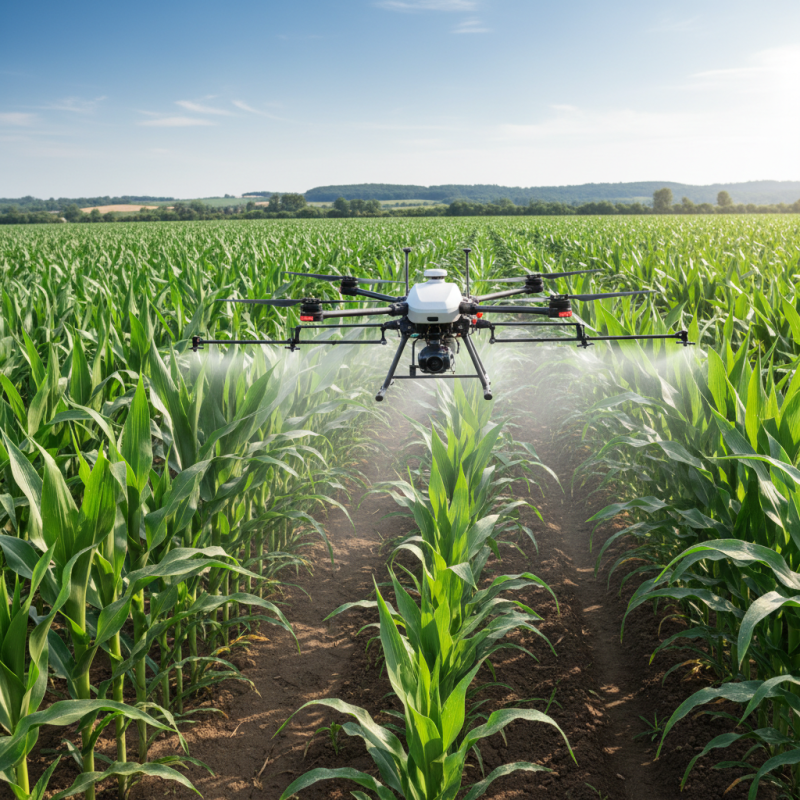
Water soluble magnesium fertilizer plays a crucial role in enhancing crop production due to its ability to improve nutrient uptake and overall plant health. Magnesium is an essential macronutrient that contributes significantly to photosynthesis, as it is a central component of chlorophyll. By ensuring that plants have sufficient magnesium, farmers can promote more vigorous growth and increase yields. The soluble nature of this fertilizer allows for rapid absorption and immediate availability of magnesium to the plants, making it highly effective, especially during critical growth stages.

In addition to bolstering photosynthetic efficiency, water soluble magnesium fertilizer helps mitigate nutrient deficiencies that can hinder crop development. It aids in the synthesis of proteins and enzymes, thus improving crop resilience against environmental stressors. When crops are fortified with magnesium, they display enhanced tolerance to drought, pests, and diseases, leading to healthier plants and better-quality harvests. With efficient application methods, this type of fertilizer allows for precise nutrient management, ultimately supporting sustainable agricultural practices and maximizing productivity in various cropping systems.

Enhancing Nutrient Uptake and Soil Health through Soluble Magnesium

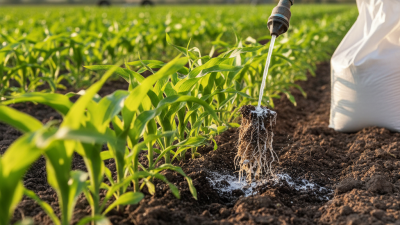
Water soluble magnesium fertilizer has gained recognition for its ability to enhance nutrient uptake and improve soil health, two critical components for robust crop growth. Magnesium plays a vital role in photosynthesis, enzyme activation, and the synthesis of chlorophyll. When magnesium is applied in a soluble form, it is readily absorbed by plant roots, allowing for immediate use. This prompt availability helps plants develop stronger structures and resist disease, ultimately leading to healthier yields.

In addition to improving nutrient uptake, water soluble magnesium fertilizers contribute to overall soil health. They help balance soil pH, promote microbial activity, and enhance the availability of other essential nutrients. Healthy soil supports an optimal growing environment, encouraging vigorous plant development and resilience against stress factors such as drought or pests.

**Tips for Effective Use of Water Soluble Magnesium Fertilizer:**
1. **Test Soil:** Conduct soil tests to understand magnesium levels and pH, ensuring appropriate application rates.
2. **Timing Matters:** Apply during key growth stages of the crop to maximize absorption and benefit.
3. **Monitor Moisture Levels:** Ensure adequate moisture in the soil post-application, as this facilitates better nutrient uptake by plants.

Top Benefits of Water Soluble Magnesium Fertilizer for Healthy Crop Growth

Benefit Description Impact on Crop Growth
Enhanced Nutrient Uptake Water soluble magnesium fertilizers dissolve easily, allowing for better nutrient absorption by plant roots. Improves overall plant health and vigor.
Improved Soil Health Magnesium contributes to soil structure and fertility, aiding beneficial microbial activity. Results in better crop yields and resilience.
Stress Resistance Helps crops endure environmental stresses such as drought and heat. Promotes better growth under adverse conditions.
Increased Photosynthesis Magnesium is a key component of chlorophyll, enhancing the photosynthetic process. Leads to greater biomass production.
Crop Quality Improvement Enhances the nutritional quality and taste of the crops. Increases market value and consumer satisfaction.

Effects of Magnesium on Chlorophyll Production and Photosynthesis

Magnesium plays a crucial role in the production of chlorophyll, the pigment responsible for the green color in plants and essential for photosynthesis. Studies indicate that magnesium deficiency can significantly limit chlorophyll synthesis, leading to decreased photosynthetic efficiency and ultimately affecting crop yield. According to the International Plant Nutrition Institute, magnesium is involved in over 300 enzyme systems that facilitate various metabolic processes, including those critical for chlorophyll production. Increased magnesium availability has been shown to enhance plant vitality and improve overall health, directly influencing crop productivity.

Research has demonstrated that water-soluble magnesium fertilizers enhance the uptake of magnesium, providing plants with immediate access to this essential nutrient. A report by the Food and Agriculture Organization suggests that improved magnesium levels can lead to a 20% increase in photosynthetic rate in magnesium-deficient crops. As photosynthesis is the foundation of plant growth, promoting magnesium availability can result in more vigorous growth, improved fruit development, and ultimately higher yields. Farmers and agronomists are increasingly recognizing the importance of water-soluble magnesium fertilizers as part of comprehensive nutrient management strategies to ensure optimal crop performance, especially in magnesium-deficient soils.

Role of Water Soluble Magnesium in Preventing Crop Deficiencies

Magnesium plays a crucial role in plant nutrition, as it is an essential component of chlorophyll and vital for photosynthesis. Water-soluble magnesium fertilizers are particularly effective in preventing crop deficiencies, as they are quickly absorbed by plants and immediately available for uptake.

According to the International Fertilizer Association, magnesium deficiency can lead to reduced crop yields of up to 50%, highlighting the importance of timely and adequate magnesium supplementation in agriculture. This makes water-soluble forms an attractive option for farmers aiming to maintain healthy and productive crops.

Research from the Journal of Plant Nutrition demonstrates that magnesium deficiencies can manifest in a variety of ways, including interveinal chlorosis, where leaves show yellowing between the veins. This not only affects photosynthesis but can also lead to increased susceptibility to diseases and reduced overall crop vigor.

By utilizing water-soluble magnesium fertilizers, farmers can address these deficiencies proactively, ensuring that crops receive a consistent supply of magnesium during critical growth stages. Effective nutrient management, including the application of soluble fertilizers, can significantly enhance yield and quality, underscoring the essential role of magnesium in modern agriculture.

Comparative Analysis: Water Soluble vs. Traditional Magnesium Fertilizers

Top Benefits of Water Soluble Magnesium Fertilizer for Healthy Crop Growth

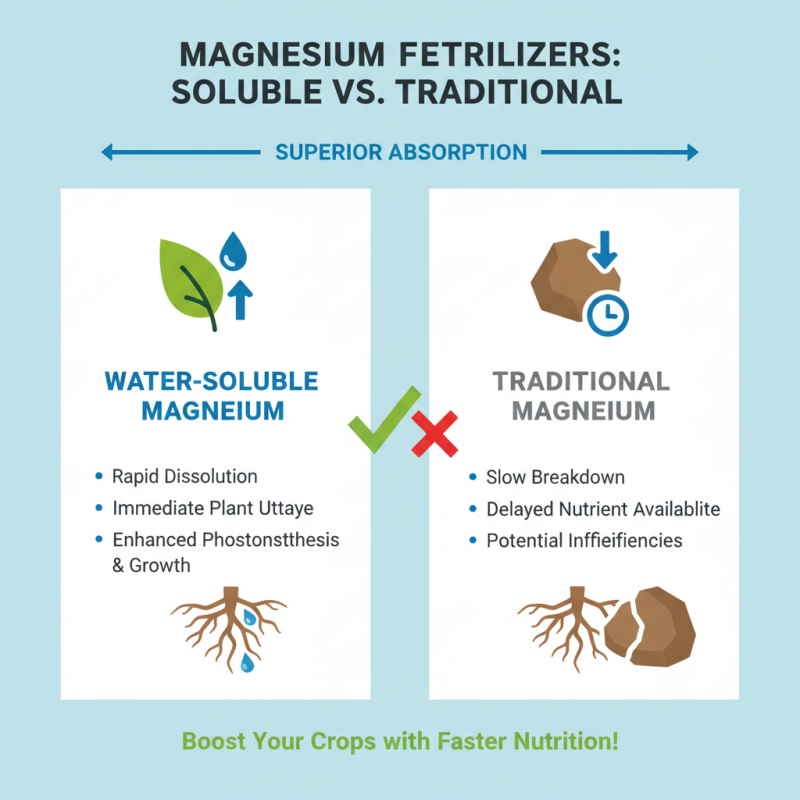
When evaluating the effectiveness of magnesium fertilizers for crop growth, it's crucial to compare water-soluble magnesium fertilizers with traditional options. Water-soluble magnesium fertilizers have gained attention for their superior absorption rates. Plants require magnesium for photosynthesis and overall health, and these soluble forms dissolve quickly in water, allowing for immediate uptake by plant roots. In contrast, traditional magnesium fertilizers often require a longer time to break down, leading to delayed nutrient availability and potential inefficiencies in crop nutrition.

Another critical aspect is the environmental impact of fertilizer application. Water-soluble magnesium fertilizers can be precisely applied through fertigation systems, minimizing runoff and ensuring that nutrients reach the plants effectively. This method contributes to improved soil health over time, as it reduces the likelihood of nutrient leaching and balances soil pH. Traditional magnesium fertilizers, being less efficient in nutrient delivery, can contribute to environmental challenges if not managed carefully, including soil degradation and water quality issues.

In summary, the comparative analysis of water-soluble vs. traditional magnesium fertilizers highlights essential benefits of the former. Efficiency in nutrient absorption, environmental sustainability, and targeted application methods make water-soluble options a valuable choice for farmers aiming for healthy crop growth. Choosing the right type of magnesium fertilizer is pivotal for achieving optimal agricultural productivity while safeguarding ecological balance.