In the pursuit of healthy and thriving plants, the importance of using the right fertilizers cannot be overstated. Among the various options available, Water Soluble Micronutrient Fertilizer stands out due to its numerous advantages for plant growth and development. Unlike traditional fertilizers, which may not be as readily available to plants, water-soluble forms ensure that essential nutrients are quickly absorbed, promoting vigorous growth and resilience against disease.
As gardeners and agricultural enthusiasts alike search for effective solutions to enhance soil fertility, the benefits of incorporating Water Soluble Micronutrient Fertilizer become increasingly clear. This type of fertilizer not only supports the balanced nutrition that plants require but also allows for precise application tailored to specific plant needs. The ease of use and ability to deliver nutrients directly to the root zone further enhances its appeal, making it an ideal choice for both indoor and outdoor gardening.
In this article, we will explore the top ten benefits of Water Soluble Micronutrient Fertilizer and how it can transform the way you nourish your plants, leading to improved health, higher yields, and more vibrant gardens. Embracing this innovative approach can be the key to unlocking your plants’ full potential.

Water soluble micronutrient fertilizers play a crucial role in enhancing nutrient absorption for plants, allowing for improved growth and vitality. Unlike traditional fertilizers, which may release nutrients slowly or in less bioavailable forms, water soluble options dissolve entirely in water, ensuring that essential minerals are readily accessible to plants. This precision in nutrient delivery helps prevent deficiencies, leading to robust foliage, vibrant blooms, and higher yields.
Moreover, utilizing these fertilizers allows gardeners to tailor feeding regimens to the specific needs of their plants at different growth stages. This targeted approach not only maximizes nutrient uptake but also minimizes waste and reduces the risk of nutrient burn, commonly associated with conventional granular fertilizers. By addressing the precise micronutrient requirements of plants, gardeners can foster healthier and more resilient gardens.
Tips: To ensure effective nutrient absorption, consider applying water soluble micronutrients during the early morning or late afternoon when plants are most receptive. Additionally, always follow recommended dilution rates to avoid over-fertilization. Regularly monitoring your plants for signs of deficiencies can also guide your fertilizer schedule, allowing for prompt adjustments to maintain optimal health.

Micronutrient fertilizers, particularly water-soluble types, have gained significant attention for their role in enhancing plant growth and yield. According to a report from the Food and Agriculture Organization (FAO), micronutrient deficiencies affect approximately 30% of the world’s soils, leading to reduced agricultural productivity. Water-soluble micronutrient fertilizers effectively address these deficiencies by providing essential elements such as zinc, iron, copper, and manganese directly to plant roots, promoting better nutrient absorption. Research published in the Journal of Plant Nutrition indicated that crops treated with water-soluble micronutrients exhibit up to a 20% increase in yield compared to those that do not receive these supplements.
In addition to elevating growth rates, water-soluble micronutrient fertilizers also improve overall plant health. A study conducted by the International Fertilizer Development Center (IFDC) found that plants receiving a balanced micronutrient solution showed enhanced resilience against diseases and environmental stressors. This is especially vital in today's changing climate, where plants face increased challenges from pests and unpredictable weather patterns. The bioavailability of micronutrients in soluble form ensures that plants access these critical nutrients during key growth stages, fostering more robust root systems and healthier foliage. As a result, utilizing these fertilizers can lead to sustainable farming practices and improved food security.
| Benefit | Description | Impact on Plant Growth | Yield Improvement |
|---|---|---|---|
| Improved Nutrient Absorption | Enhances the uptake of essential nutrients. | Boosts overall plant health. | Increases fruit and flower production. |
| Faster Growth Rate | Promotes quicker vegetative growth. | Shortens the time to harvest. | More harvest cycles per season. |
| Enhanced Disease Resistance | Strengthens plant defenses against pathogens. | Leads to healthier plants. | Reduces crop loss due to diseases. |
| Better Soil Health | Improves soil structure and microbial activity. | Supports sustainable farming practices. | Enhances long-term crop yield. |
| Higher Quality Produce | Results in more nutritious and flavorful crops. | Increases marketability. | Potential for premium pricing. |
| Customizable Nutrient Formulation | Allows for specific nutrient blends tailored to crop needs. | Optimizes plant nutrition. | Increases overall yield potential. |
| Convenient Application | Easily mixes with water for uniform distribution. | Saves time during fertilization. | Maximizes efficiency, leading to higher productivity. |
| Improved Stress Tolerance | Aids plants in coping with extreme weather. | Prevents yield losses in adverse conditions. | Ensures consistent production. |
| Increased Root Development | Encourages deeper and more extensive root systems. | Improves nutrient and water uptake. | Promotes higher yields. |
| Enhanced Photosynthesis | Support for chlorophyll production. | Increases energy capture for growth. | Leads to better crop yields. |
Water soluble micronutrient fertilizers play a crucial role in reducing soil salinity levels, which is vital for the health and productivity of plants. High salinity in soil can lead to poor plant growth, negatively affecting their ability to absorb water and essential nutrients. By utilizing water soluble formulations, these fertilizers allow for an efficient and targeted application of micronutrients, which enhances plant health and mitigates the negative impacts of saline conditions.
When water soluble micronutrient fertilizers are dissolved in water, they facilitate the uptake of essential nutrients directly through the root system. This direct absorption minimizes the risk of nutrient lockout often caused by high salinity levels. Additionally, these fertilizers can help improve soil structure and enhance microbial activity, both of which contribute to increased soil fertility and overall plant vigor. As a result, plants not only become more resilient to saline environments but also exhibit stronger growth and improved yields.
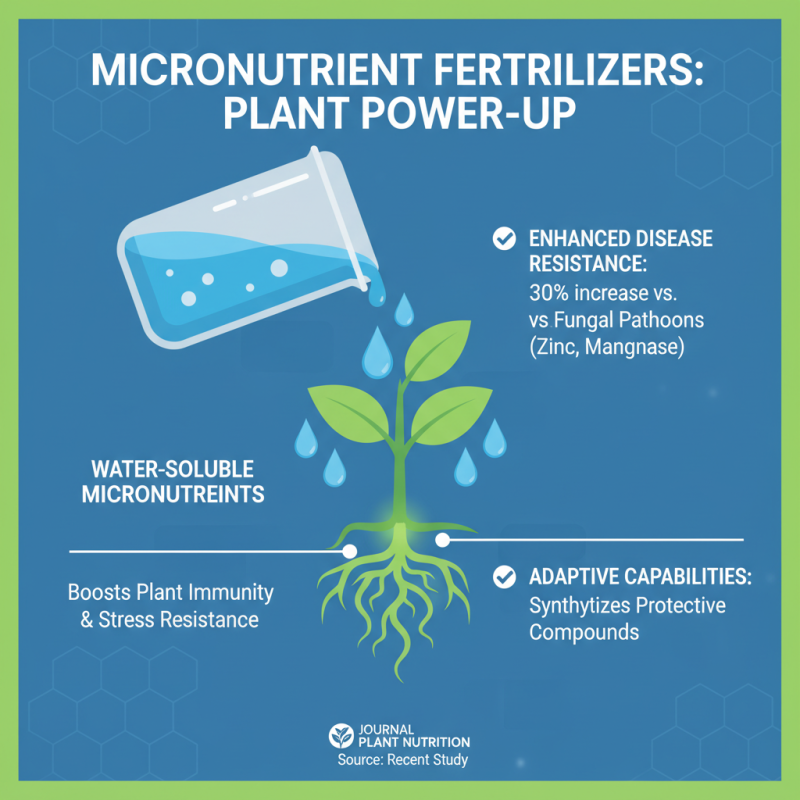
Water-soluble micronutrient fertilizers have gained increasing attention for their significant impact on increasing plant resistance to diseases and environmental stressors. Research indicates that plants treated with these fertilizers show enhanced immune responses and adaptive capabilities. A study published in the Journal of Plant Nutrition highlights that crops treated with micronutrients such as zinc and manganese exhibit a 30% increase in resistance to fungal pathogens compared to those grown without these essential nutrients. The tailored nutrient delivery helps plants better synthesize protective compounds, fortifying their defenses against various stressors.
Moreover, water-soluble formulations ensure that the micronutrients are readily available for absorption, which is crucial during times of environmental stress such as drought or pest infestation. According to the International Fertilizer Industry Association, the efficient utilization of these fertilizers can improve plant health, potentially leading to yield increases of up to 20%. By bolstering their nutrition, plants can better withstand temperature fluctuations and nutrient deficiencies, proving that proper micronutrient management is vital, especially in challenging climate scenarios.
**Tips:** To maximize the benefits of water-soluble micronutrient fertilizers, consider soil testing to identify specific nutrient deficiencies in your crops. Additionally, applying these fertilizers during early growth stages can set a solid foundation for robust plant health. Regular foliar applications can also deliver quick relief during periods of environmental stress, ensuring plants remain resilient throughout their growth cycles.
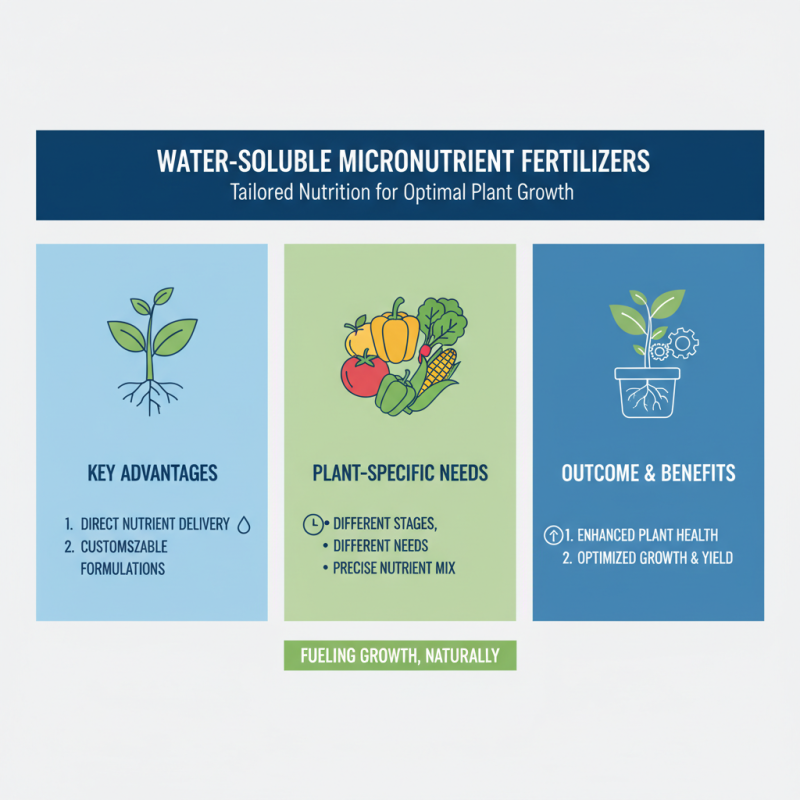
Water-soluble micronutrient fertilizers offer a versatile solution for delivering essential nutrients directly to plants, catering to their specific needs effectively. One of the primary advantages of these fertilizers is the ability to customize nutrient formulations based on individual plant requirements. Different plants have varying nutrient demands at distinct growth stages, and a tailored approach ensures they receive the right mix of micronutrients precisely when they need them. This customization enhances the overall health and productivity of plants, allowing for optimized growth in diverse cultivation environments.
Moreover, the efficient delivery system of water-soluble fertilizers allows for quick absorption by the plant roots. Unlike traditional fertilizers, which may require time to break down and release nutrients, water-soluble options provide an immediate impact. This rapid nutrient availability supports plants in overcoming deficiencies, especially during critical growth phases or adverse conditions. The ability to adjust nutrient concentrations based on observed plant responses further empowers growers to make real-time decisions, leading to healthier, more vibrant plants and improved crop yields.