Top 10 Benefits of Water Soluble P Fertilizer for Your Garden Plants
Plants require nutrients to thrive. Water Soluble P Fertilizer provides a key nutrient: phosphorus. This element supports root development and flowering. According to a report by the Food and Agriculture Organization, phosphorus is vital for sustainable agriculture. Optimizing its availability can boost crop productivity by up to 20%.
Using Water Soluble P Fertilizer allows for immediate nutrient uptake. This is crucial during critical growth stages. Research shows that plants absorb more phosphorus when it's in a soluble form. However, improper application can lead to nutrient runoff and environmental concerns. Balancing use is essential for garden health.
In gardens, the benefits can be striking. Enhanced root systems lead to stronger plants. These plants show improved overall vigor. But care is needed. Over-fertilizing can cause harm. The key is understanding the needs of your garden. Water Soluble P Fertilizer is a powerful tool when used wisely.

Understanding Water Soluble P Fertilizer and Its Importance
Water soluble phosphorus (P) fertilizer has a significant role in garden health. Phosphorus helps in root development. It boosts plant strength. When plants are well-rooted, they absorb nutrients effectively. This fertilizer dissolves in water, making nutrients accessible quickly. Gardeners can provide immediate support to growing plants.
Using water soluble P fertilizer can enhance flowering and fruiting. Blooming plants attract pollinators, which are vital for a thriving garden. However, it's crucial to apply it correctly. Over-fertilizing can lead to nutrient burn. It might also harm the soil's natural balance. Balancing your approach is essential for sustained growth.
Water soluble P fertilizer allows for precise control over nutrient levels. This adaptability can be a double-edged sword. If not monitored, plants may struggle with fluctuating nutrient levels. Growth might become erratic instead of flourishing consistently. Observing plant responses can guide adjustments. This way, you can find the right balance for your specific garden needs.
Nutrient Delivery: How Water Soluble P Enhances Plant Growth
Water soluble phosphorus (P) fertilizers are a game-changer for gardeners. They provide essential nutrients directly to plants, enhancing growth rates significantly. Research from the International Plant Nutrition Institute shows that water soluble phosphorus can increase crop yields by up to 25% when compared to traditional fertilizers. This is crucial for anyone looking to maximize their garden's potential.
The immediate availability of phosphorus helps plants develop strong root systems. Healthy roots mean better water and nutrient uptake. With water soluble options, plants can access P quickly, leading to robust growth. For example, studies indicate that corn and tomato plants show rapid growth after the application of water soluble P. This immediate nutrient delivery can make a noticeable difference in the early stages of plant development.
However, it’s essential to use these fertilizers judiciously. Overapplication can lead to nutrient leaching and environmental concerns. In fact, research suggests that nearly 30% of water soluble fertilizers can wash away if not properly managed. This not only wastes resources but may also affect local water systems. As gardeners, we need to balance nutrient delivery with responsible usage. Finding this balance is key to creating a thriving garden.
Improving Soil Health with Water Soluble P Fertilizer
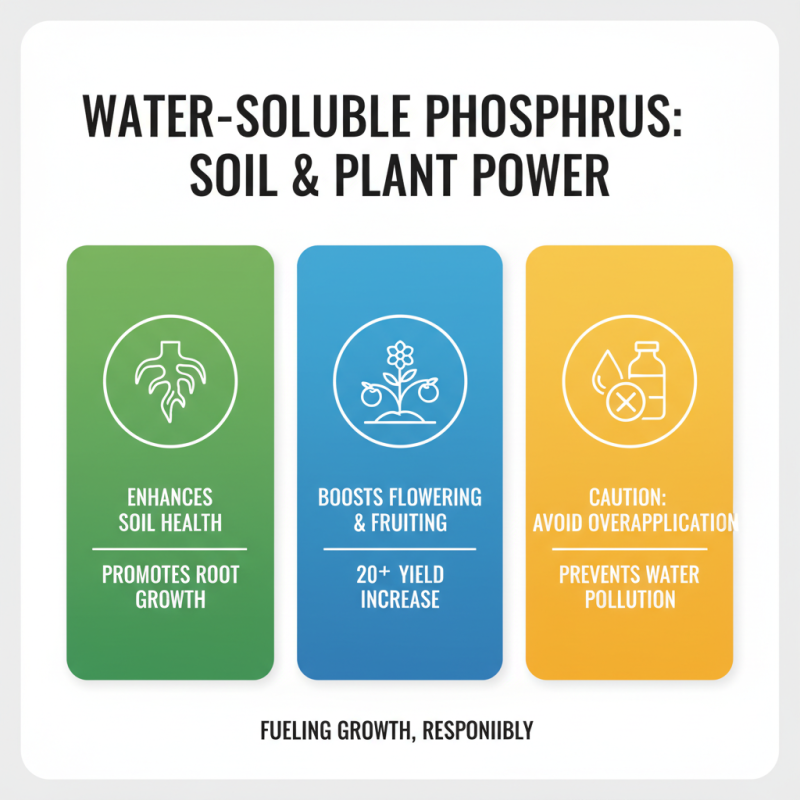
Water soluble phosphorus fertilizers play a crucial role in enhancing soil health, essential for vibrant plant growth. Phosphorus promotes root development, bolsters flowering, and improves fruiting while impacting overall soil quality. Studies indicate well-balanced phosphorus levels can increase yields by 20% or more. However, over-application might lead to nutrient runoff, which can harm local waterways.
Tips: Monitor soil pH regularly. Healthy soil pH is typically between 6.0 and 7.0. Adjust phosphorus levels based on soil tests.
Effective soil management includes using water soluble P fertilizers correctly. Timing is critical; applying during the early growth stages maximizes benefits. Additionally, ensure even distribution to prevent nutrient hotspots.
Tips: Use a calibrated spreader for uniform application. Ensure you follow the recommended rates from soil testing results. Observe plant responses carefully to adjust practices as needed.
Investing in soil health with the right phosphorus levels lays the foundation for productive gardening. Remember, achieving a balance takes time and may involve trial and error. Reflect on your application methods, adapting as necessary for better outcomes.
Boosting Flower and Fruit Production Using Water Soluble P
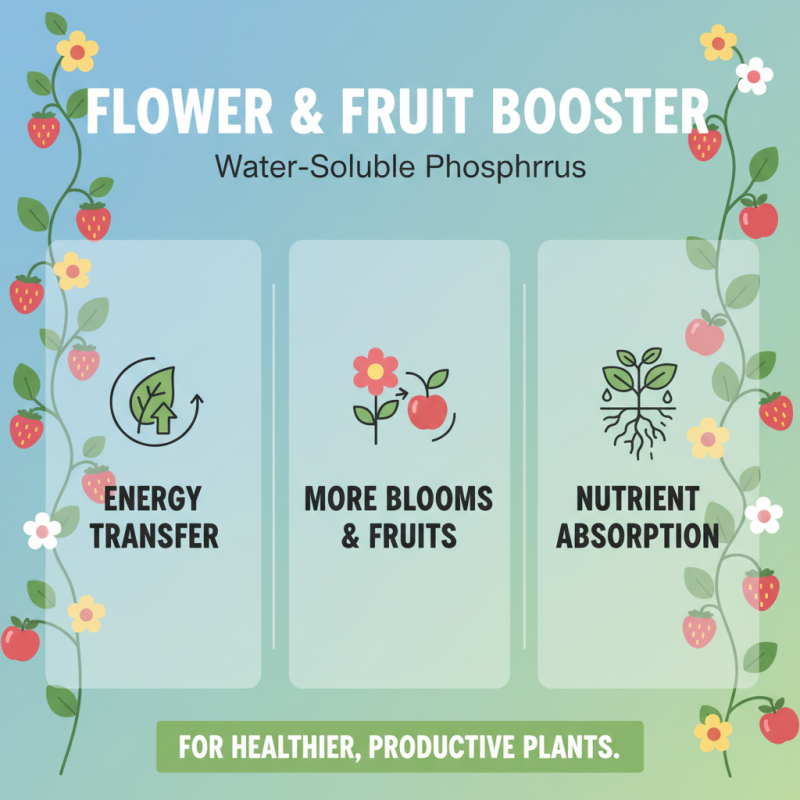
Water soluble phosphorus (P) fertilizer is a game changer for gardeners looking to enhance their flower and fruit production. Phosphorus plays a crucial role in energy transfer within plants. This element boosts blooming and fruiting, making plants more vibrant. Applying this fertilizer helps plants absorb nutrients effectively, especially during flowering stages.
When using water soluble P fertilizer, timing is essential. Applying it too late can limit flower development. Overwatering can wash away nutrients, resulting in wasted effort. A balanced approach is necessary. This ensures plants receive adequate phosphorus without the risk of nutrient leaching. Keep in mind that not all plants respond in the same way. Some may thrive, while others may show limited improvements.
It’s also important to monitor your garden's specific needs. Soil tests provide valuable insights into nutrient levels. This helps in determining the right amount of phosphorus needed. Observing plant growth patterns can offer clues. You may notice some plants flourish while others may struggle. Experimenting with different concentrations can lead to breakthroughs, but not all trials will yield success. Embrace the learning process as you adapt your approach.
Cost-Effectiveness and Convenience of Water Soluble P Fertilizer
Water soluble phosphate (P) fertilizers are becoming increasingly popular among gardeners. Their cost-effectiveness plays a significant role in this trend. According to industry reports, the average cost of water soluble P fertilizer can range from $1.50 to $3.00 per pound. This is often lower than traditional granular fertilizers when considering application efficiency.
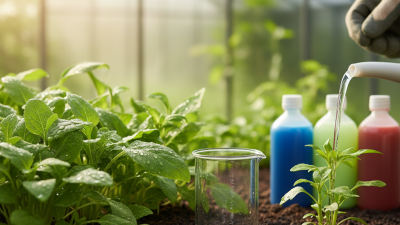
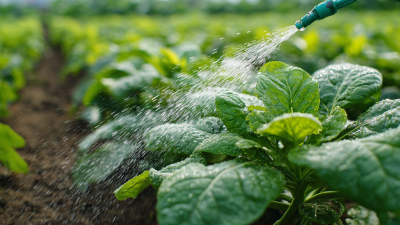
Convenience is another key factor. Water soluble fertilizers can be mixed directly into irrigation systems. This allows for even distribution. Many gardeners find this method saves time and labor. A recent study indicated that plants receive nutrients more effectively when delivered through water. The research showed that plants treated with water soluble P demonstrated a 20% increase in growth compared to those using granular types.
However, there are challenges. The solubility of these fertilizers means they can leach into the ground if over-applied. This can lead to nutrient runoff and environmental harm. Gardeners must pay attention to application rates. Testing soil often ensures that these fertilizers are used effectively and sustainably. Balancing convenience and responsibility is essential in fostering a healthy garden.
Top 10 Benefits of Water Soluble P Fertilizer for Your Garden Plants