Top Benefits of Water Soluble Phosphatic Fertilizers for Farmers?
Farmers are increasingly turning to Water Soluble Phosphatic Fertilizers for their unique benefits. These fertilizers enhance nutrient availability and improve crop yield. A report by the Food and Agriculture Organization (FAO) highlighted that phosphorus is a critical nutrient for plant growth, contributing significantly to root development and flowering. According to recent studies, crops treated with water soluble phosphatic fertilizers can yield up to 30% more than those treated with conventional fertilizers.
These fertilizers dissolve easily in water, allowing for more rapid absorption by plants. This rapid uptake contributes to healthier and more robust crops. However, not all farmers are aware of the full potential of this technology. Many still rely on traditional methods that may not offer the same results. As soil quality diminishes, the need for efficient fertilizers becomes more pressing.
While Water Soluble Phosphatic Fertilizers offer clear advantages, they also require a careful approach. Inappropriate usage can lead to nutrient runoff or soil imbalance. Farmers must ensure they have proper soil tests conducted to tailor fertilizer use effectively. This consideration underscores the need for education on best practices in fertilizer application.

Introduction to Water Soluble Phosphatic Fertilizers
Water soluble phosphatic fertilizers are gaining popularity among farmers. These fertilizers dissolve quickly in water, making nutrients readily available for plants. This feature allows for efficient nutrient uptake, leading to healthier crops.
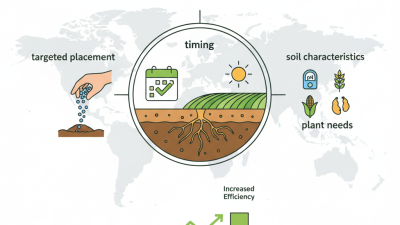
The application of water soluble phosphatic fertilizers can significantly boost growth rates. Unlike traditional fertilizers, they reduce wastage. Farmers can achieve better yields with targeted applications. However, balancing nutrient ratios is crucial. Overapplication can harm plants. Farmers must adjust based on soil tests and crop needs.
**Tip:** Regularly check soil nutrient levels. This will ensure you're applying the right amount. Timing is also key; apply during active growth stages for maximum effect.
Another aspect to consider is the cost. While water soluble options may seem more expensive, they can lead to savings in the long run. Efficient nutrient use translates to better crop quality and higher profits. Yet, not all crops respond equally. Some may require traditional fertilizers for best results.
**Tip:** Experiment with different fertilizers on a small scale. This can provide insights on what works best for your specific conditions. Always keep records to track progress.
Top Benefits of Water Soluble Phosphatic Fertilizers for Farmers
| Benefit |
Description |
Impact on Growth |
| Quick Nutrient Availability |
Dissolves easily in water, providing immediate nutrients to plants. |
Promotes faster root growth and overall plant health. |
| Enhanced Nutrient Absorption |
Improves the uptake of phosphorus and other essential nutrients. |
Increases crop yields and enhances quality. |
| Reduces Nutrient Runoff |
Water solubility minimizes waste and environmental impact. |
Supports sustainable farming practices. |
| Flexible Application Methods |
Can be applied through various irrigation systems or as foliar sprays. |
Allows for efficient nutrient delivery tailored to crop needs. |
| Compatibility with Other Inputs |
Can be mixed with other fertilizers and pesticides without issues. |
Maximizes efficacy and reduces application costs. |
Key Nutritional Advantages for Crop Growth
Water-soluble phosphatic fertilizers offer significant nutritional advantages for crop growth. These fertilizers provide phosphorus in a form that plants can readily absorb. Phosphorus is crucial for root development and plays a vital role in energy transfer within the plant. According to a study by the International Fertilizer Association, crops treated with water-soluble phosphatic fertilizers can experience a yield increase of up to 20%.
The rapid availability of nutrients improves early plant growth. Field trials showed that crops with access to water-soluble phosphates demonstrated stronger root systems. The American Society of Agronomy highlights that healthy roots lead to better water and nutrient uptake. Unfortunately, many farmers still rely on traditional fertilizers, which can cause nutrient lock-up in the soil.
Farmers should note that not all water-soluble phosphates are equal. Some formulations may contain impurities that could hinder crop growth. Research by agronomic experts suggests carefully selecting fertilizers can mitigate such risks. Understanding the specific needs of crops and the soil is essential. It’s a reminder that farming practices require constant evaluation, and reliance on outdated methods can limit productivity.
Enhanced Nutrient Uptake Efficiency in Plants
Water soluble phosphatic fertilizers are changing farming practices. They enhance nutrient uptake efficiency, helping plants absorb vital phosphorous. This is crucial for root development and overall growth. Research shows that plants using these fertilizers can increase phosphorus uptake by up to 50%. This leads to better yield and healthier crops.
Farmers need to be aware of the importance of proper application. Overuse can lead to nutrient runoff and soil imbalance. Data suggests that 30% of applied phosphatic fertilizers can be lost without proper management. This wasted investment can affect crop productivity and environmental health.
Working closely with agronomists can optimize fertilizer usage. Tailoring applications based on soil tests is essential. It ensures that the right amount is used, minimizing waste. As the demand for sustainable farming grows, such practices become necessary. Enhanced nutrient uptake contributes to better resource management and environmental preservation.
Top Benefits of Water Soluble Phosphatic Fertilizers for Farmers
This chart illustrates the top benefits of using water soluble phosphatic fertilizers for farmers, highlighting the enhanced nutrient uptake efficiency and its positive impacts on crop yield, plant growth, soil health, and disease resistance.
Environmental Benefits of Using Water Soluble Fertilizers
Water soluble phosphatic fertilizers are gaining traction not just for their agricultural benefits but also for their environmental advantages. Unlike traditional fertilizers, these water-soluble options reduce nutrient runoff into water bodies. A study from the Environmental Protection Agency shows that over 50% of phosphorus from conventional fertilizers can leach into waterways, leading to algal blooms. These blooms deplete oxygen, harming aquatic life and disrupting ecosystems.
Furthermore, using water-soluble fertilizers promotes better nutrient uptake. Research indicates that about 70% of phosphorus in conventional forms remains unavailable to plants. In contrast, water-soluble fertilizers make nutrients immediately accessible, reducing the overall quantity needed. This efficiency means fewer resources are extracted, and less fertilizer enters the environment. It's a win-win situation. However, farmers must be cautious. Over-application can still degrade soil health. Balancing the right amount is essential for long-term sustainability.
These products exemplify how modern practices can enhance agricultural output while being eco-conscious. The shift towards water-soluble forms reflects a growing recognition of agriculture's role in environmental stewardship. Yet, it prompts farmers to consider the broader impact on soil and water quality. Finding that balance is key in the evolving landscape of sustainable farming.
Economic Impact on Farming Productivity and Profitability
Water-soluble phosphatic fertilizers are transforming farming productivity. They offer a unique advantage in nutrient uptake. Farmers can use these fertilizers to deliver phosphorus directly to plants. Research indicates that phosphorus is vital for root development and crop yields. A study by the Food and Agriculture Organization highlights that proper phosphorus levels can increase crop yields by up to 20%. This is crucial for farmers seeking to boost profitability.
Economic analyses show that these fertilizers can lead to cost savings. Farmers can reduce waste and enhance nutrient availability. A report from the International Fertilizer Industry Association states that optimized fertilizer use leads to a 25% increase in returns on investment. Effective nutrient management translates to better crop performance. However, there is a need for careful application. Overuse can lead to nutrient runoff and environmental concerns. Balancing productivity with sustainability remains a challenge.
Additionally, soil health is impacted by how fertilizers are used. Neglecting soil testing can result in improper application rates. Farmers should prioritize best practices for using water-soluble phosphatic fertilizers. Integrating such practices can optimize both farm productivity and long-term soil health. The economic impact is significant, yet requires mindful management.