5 Best Calcium Nitrate Fertilizers for Global Buyers
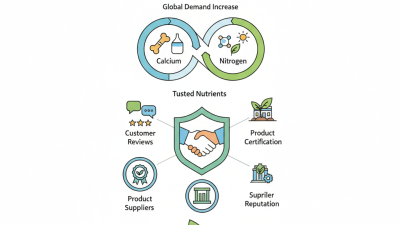
Choosing the right Calcium Nitrate Fertilizer is not a simple price comparison. Global buyers must examine nutrient analysis, product consistency, packaging, and delivery reliability. A bright white prill may look impressive, but appearance alone proves very little. Moisture, caking, solubility, and contamination risks deserve closer attention.
Agricultural chemist Justus von Liebig stated, “The growth of a plant is limited by the nutrient in shortest supply.” This principle still guides responsible fertilizer selection. Calcium nitrate supplies readily available nitrate nitrogen and soluble calcium. These nutrients can support fruit quality, strong tissues, and steady crop development. Results still depend on soil conditions, irrigation quality, crop stage, and application rates.
This guide reviews five Calcium Nitrate Fertilizer options for international buyers. Each option is considered through practical criteria, including purity, nutrient uniformity, dissolution speed, granule strength, technical documentation, and supplier transparency. Certificates of analysis matter. So do batch traceability and appropriate export packaging.
Field experience also reveals important differences. Some products dissolve cleanly in fertigation tanks. Others leave deposits after repeated use. That difference can affect filters, labor, and crop performance. No ranking is perfect. Local water chemistry may change the outcome. Buyers should confirm compatibility before placing large orders. Independent laboratory testing is wise when specifications seem unusually vague. A lower price can become expensive later. The strongest choice is usually the product that matches the crop, equipment, climate, and compliance requirements. This comparison aims to make that decision clearer, more evidence-based, and less dependent on marketing claims.
What Calcium Nitrate Fertilizer Is and How It Supports Plant Growth
5 Best Calcium Nitrate Fertilizers for Global Buyers
What Calcium Nitrate Fertilizer Is and How It Supports Plant Growth
Calcium nitrate is a highly soluble fertilizer supplying nitrate nitrogen and calcium. Commercial grades commonly contain about 15.5% nitrogen and 19% calcium. Nitrate nitrogen moves quickly into active roots, supporting leaf expansion, chlorophyll formation, and early crop growth. Calcium strengthens cell walls and helps maintain firm stems, fruits, and storage tissues. It also supports membrane stability during heat and water stress.
FAOSTAT estimated global fertilizer use at nearly 185 million tonnes of nutrients in 2022. That scale shows why efficient nutrient delivery matters for commercial growers.
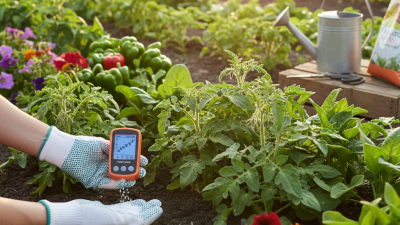
The fertilizer dissolves cleanly in irrigation water when stored dry and handled correctly. It suits fertigation, greenhouse production, and open-field crops with verified calcium needs. However, calcium cannot move easily from older leaves to new tissues. Consistent root-zone supply matters more than one heavy application. Tomato, pepper, lettuce, and strawberry growers often monitor calcium where fruit quality is sensitive. Blossom-end disorders may also involve uneven watering, damaged roots, or excessive potassium. Calcium nitrate alone may not fix them.
The International Fertilizer Association’s 2023 outlook projected moderate global nutrient-demand growth through 2027. Buyers should examine nitrogen and calcium percentages, moisture, granule uniformity, solubility, and contaminant specifications. Compatibility testing is essential before mixing it with phosphate or sulfate fertilizers. A small jar test can prevent expensive tank precipitation. Results may disappoint when soil tests, irrigation quality, and crop demand are ignored. That limitation deserves honest attention.
Key Factors for Comparing Calcium Nitrate Fertilizers Worldwide
Global buyers should compare more than the quoted price.
A reliable product should show nitrogen and calcium percentages, moisture, insoluble matter, and particle size.
These figures affect fertigation, storage, and field performance. Ask for a recent certificate of analysis, not a generic specification sheet.
Small differences matter.
Solubility deserves a practical test.
Place a measured sample in clean water at the intended temperature. Check whether it dissolves quickly without sediment or excessive heat.
Cold regions may need different handling than warm, humid ports. Packaging also matters.
Moisture-resistant bags, secure liners, and readable batch numbers
reduce avoidable losses during long transit. Verify the production date, storage guidance, and container loading conditions.
A low unit price can become expensive after port fees, repacking, and rejected material.
For crop use, compare calcium nitrate with the irrigation system and crop stage.
Greenhouse tomatoes, leafy vegetables, and open-field crops may require different application rates.
Independent testing adds confidence when suppliers operate across unfamiliar markets. Confirm traceability, safety documentation, and import requirements before payment.
Do not ignore communication quality. A clear answer to one technical question often reveals more than polished sales language.
My comparison framework is still imperfect; local water quality can change results unexpectedly.
That uncertainty deserves a small trial before a large order.
Five Leading Calcium Nitrate Fertilizers for Global Buyers
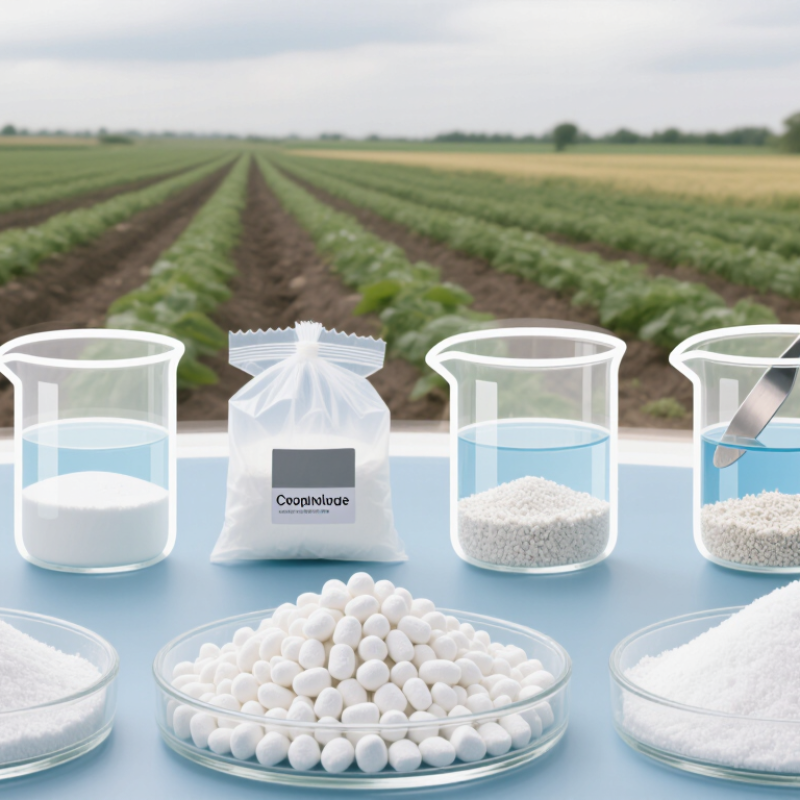
Five leading calcium nitrate fertilizers for global buyers differ in solubility, particle size, and intended use. Water-soluble crystalline calcium nitrate suits fertigation and foliar programs when rapid calcium delivery matters. It dissolves cleanly in quality water, but poor storage can cause caking. Keep bags sealed and dry.
Prilled calcium nitrate offers uniform granules for greenhouse benches and open-field crops. Its even size supports more consistent spreading. Granular calcium nitrate is often preferred for broad-acre application, especially where mechanical spreaders are common. A greenhouse-grade formulation may provide tighter impurity limits and predictable dissolution. Calcium nitrate with added boron can support crops with both nutrient needs, but buyers should verify the actual boron concentration before application.
In my purchasing checks, the label is only the starting point. A reliable supplier should provide a certificate of analysis, safety data sheet, batch number, moisture specification, and traceability records. Independent laboratory testing can confirm nitrogen, calcium, insoluble matter, and heavy metals. Small details matter. I once saw a technically suitable fertilizer arrive in weak packaging, with damp corners and hardened material. The product was not useless, but application became uneven. Buyers should compare nutrient analysis, particle behavior, pallet protection, import rules, and storage conditions. Compatibility also deserves attention: calcium nitrate should not be mixed in concentrated stock tanks with sulfate or phosphate fertilizers, because precipitation may block emitters. Crop stage, irrigation quality, soil testing, and local agronomic advice should guide the final selection.
Five Leading Calcium Nitrate Fertilizer Formats for Global Buyers
Typical guaranteed nutrient analysis for commercially specified calcium nitrate fertilizer
Calcium nitrate fertilizer is commonly specified at approximately 15.5% total nitrogen and 19% calcium, with nitrogen supplied in nitrate form. These values are representative of standard prilled, granular, greenhouse-soluble, fertigation, and horticultural-soluble formats; exact guarantees may vary by specification and market, so buyers should verify the product label and certificate of analysis.
How to Select the Right Product for Crops and Soil Conditions
Selecting among the five best calcium nitrate fertilizers requires more than comparing prices. Match the product to the crop’s nutrient demand, soil test, and irrigation method. Calcium nitrate supplies fast-acting nitrate nitrogen and readily available calcium. It contains no chloride, which helps sensitive crops and soils affected by salt stress.
Check the guaranteed analysis, solubility, particle size, and certificate of analysis before buying. A fully soluble grade suits fertigation, while uniform granules may work better for broadcast application. Greenhouse tomatoes, peppers, and leafy vegetables often need careful calcium management during rapid growth. Sandy soils may require smaller, repeated applications because nutrients move quickly with irrigation. Heavy soils need better timing, not simply more fertilizer.
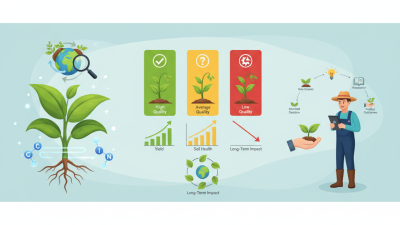
Test the soil first. That step is often skipped. Compare calcium levels, nitrate availability, pH, and electrical conductivity. Excessive application can increase salinity, encourage nitrate loss, and waste money. I once treated solubility as the main quality test; that view was too narrow. Storage stability and accurate labeling matter too. Keep bags dry and sealed, since moisture can damage handling quality. Product performance also depends on water quality, crop stage, and application uniformity. A fertilizer that performs well in a greenhouse may disappoint in open fields. Ask suppliers for batch data, recommended rates, and handling guidance before selecting the final product.