2026 Best Water Soluble Magnesium Fertilizer for Optimal Plant Growth?
In the quest for optimal plant growth, choosing the right nutrients is crucial. Among these, Water Soluble Magnesium Fertilizer stands out. It provides essential magnesium, supporting chlorophyll production and enhancing photosynthesis. Magnesium plays a vital role in various plant processes.
However, not all fertilizers are created equal. Some products may not dissolve completely, impacting plant uptake. It's essential to select high-quality options, ensuring maximum absorption and minimal waste. Research shows that proper magnesium levels can boost yields and improve plant health.
Yet, growers often overlook the need for tailored fertilization. Soil tests and plant analysis can guide you in choosing the best Water Soluble Magnesium Fertilizer for your needs. Understanding these factors is key to fostering healthy growth and achieving abundant harvests.
The Importance of Magnesium in Plant Growth
Magnesium plays a vital role in plant growth. It's a core component of chlorophyll, which plants use for photosynthesis. In fact, research indicates that magnesium deficiency can reduce crop yields by up to 30%. This highlights its significance in the fertility of the soil and overall plant health.
Magnesium aids in the synthesis of enzymes that facilitate various biological processes in plants. A report by the Food and Agriculture Organization (FAO) notes that around 30% of soils lack sufficient magnesium. This scarcity can lead to poor growth and lower nutrient absorption, ultimately affecting yield quality. Moreover, plants under stress, such as drought or disease, require more magnesium to cope.
Achieving optimal magnesium levels can improve nutrient uptake efficiency. Unfortunately, many gardeners overlook this essential nutrient. While many fertilizers include magnesium, they may not deliver it in forms that are easily absorbed. Awareness of this detail is critical for achieving vibrant plant growth.
Types of Water Soluble Magnesium Fertilizers Available in 2026
In 2026, several types of water soluble magnesium fertilizers emerged. Each offers unique benefits for plant growth. These fertilizers enhance nutrient absorption in plants. They are especially useful during critical growth stages. Magnesium plays a key role in photosynthesis and enzyme activity.
One common type is magnesium sulfate, often known as Epsom salt. It dissolves easily in water, providing quick access to magnesium. This can significantly improve the health of crops. Another type is magnesium nitrate. It offers not only magnesium but also nitrogen, which is essential for plant development. This dual benefit helps in achieving robust growth in vegetables and flowers.
Despite their advantages, growers must consider the right application rates. Overuse can lead to nutrient imbalances. This could hinder plant growth rather than promote it. It’s crucial to assess soil conditions before choosing a fertilizer. Knowledge of local soil pH is vital for effective use. Proven practices can guide gardeners, but experimentation is often necessary to find the best formulation for specific crops.
Factors to Consider When Choosing Magnesium Fertilizers
When selecting water-soluble magnesium fertilizers, consider the source and formulation. Various magnesium compounds, such as magnesium sulfate and magnesium nitrate, offer different solubility and absorption rates. Reports suggest that magnesium absorption peaks at soil pH levels around 6.5, emphasizing the need for a suitable environment. Poor soil conditions can hinder magnesium effectiveness, impacting plant health significantly.
Pay attention to magnesium concentration in the fertilizer. Over-application can lead to nutrient imbalances. A study indicated that excessive magnesium can negatively affect calcium levels, causing physiological disorders in plants. Monitoring the existing soil magnesium levels before application is crucial. Test kits can provide valuable information to help make informed decisions.
The timing of fertilizer application also matters. Applying magnesium during critical growth stages, like flowering or fruiting, can enhance plant response. Research shows that plants absorb nutrients more efficiently when supplied at specific growth phases. However, ensure to evaluate environmental factors, such as rainfall, which can affect nutrient leaching and availability. Being mindful of these details leads to a more effective magnesium fertilization strategy.
Application Methods for Optimal Magnesium Absorption
Magnesium is essential for plant growth. It plays a crucial role in photosynthesis and enzyme activation. However, many plants show magnesium deficiency, leading to poor yield. According to a recent study by the International Plant Nutrition Institute, over 30% of crops may lack sufficient magnesium.
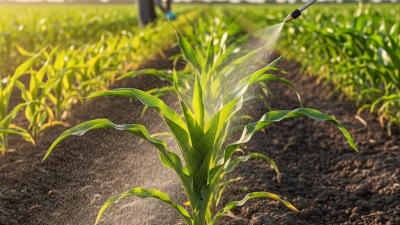
To enhance magnesium absorption, applying water-soluble fertilizers is effective. Foliar applications are particularly beneficial. They allow for quick absorption directly through leaves. Research indicates that foliar applications can increase magnesium uptake by 50% compared to soil applications. Proper timing is critical too. Applying during the late afternoon increases absorption rates.
Understanding soil pH is also vital. An acidic pH can limit magnesium availability. Testing soil regularly can help manage nutrient levels effectively. Additionally, mixing magnesium fertilizers with other nutrients requires caution. Excessive nitrogen can inhibit magnesium uptake. With careful application and monitoring, growers can optimize magnesium levels for healthier plants.
Expected Benefits of Using Magnesium Fertilizers for Plants
Magnesium is crucial for plant growth. It's a key component of chlorophyll. Without adequate magnesium, plants show signs of stress, such as yellowing leaves. Research indicates that magnesium deficiency can reduce crop yields by up to 30%. This makes magnesium fertilizers vital for optimal production.
Water-soluble magnesium fertilizers enhance nutrient uptake. They dissolve easily, making them available to plants quickly. Studies suggest that plants absorb nutrients more effectively when they are in a soluble form. In trials, crops treated with water-soluble magnesium showed a noticeable increase in both growth and resilience.
The benefits don’t stop there. Magnesium plays a role in enzyme activation. This promotes photosynthesis and aids in the formation of new plant cells. However, overuse can lead to imbalances in the soil, which might affect other nutrients. Balancing magnesium levels is essential for maintaining soil health and ensuring sustained plant growth. Experimenting with different concentrations can lead to varying results, warranting careful monitoring.