How to Buy Calcium Nitrate for Your Agricultural Needs?
Calcium Nitrate plays a vital role in modern agriculture. It is a highly soluble fertilizer that boosts plant growth. Farmers worldwide use it for various crops, from vegetables to flowers. However, purchasing Calcium Nitrate requires careful consideration.
When buying Calcium Nitrate, quality and source matter. Not all products are created equal. Trustworthy suppliers ensure consistent nutrient content. Additionally, knowing the right application methods is essential. Misuse can lead to crop damage or wastage.
It's also wise to consider your specific agricultural needs. Soil conditions, climate, and crop types influence the required quantities. Reflect on your past experiences with fertilizers. Have they met your expectations? Engaging with agricultural experts can provide valuable insights. This approach helps you make informed decisions.
Understanding Calcium Nitrate's Role in Agriculture
Calcium nitrate is a vital component in modern agriculture. It serves as a fast-acting nitrogen source for plants. Providing plants with calcium and nitrogen helps promote healthy growth. Farmers often choose calcium nitrate to prevent nutrient deficiencies in their crops. This is especially crucial during the early stages of plant development.
In many soils, calcium is lacking. This can lead to poor root development and decreased yields. Calcium nitrate also improves soil structure. It enhances water retention and drainage, which benefits plant health. Understanding how to apply calcium nitrate effectively can yield significant results. However, overuse can lead to nutrient imbalance or soil salinity issues. Regular soil testing is essential to determine the right amount for your fields.
Farmers should carefully assess their specific agricultural needs. Every crop has unique demands for nutrients. A blanket approach may not be the best solution. Observing crop response to calcium nitrate helps refine application strategies. Balancing the benefits with potential pitfalls is crucial for sustainable farming practices.
Calcium Nitrate Usage in Agriculture
This bar chart represents the usage of calcium nitrate in different crops, measured in kilograms per hectare (kg/ha). It is crucial for enhancing plant growth and increasing yield.
Identifying Your Specific Agricultural Needs for Calcium Nitrate
When considering calcium nitrate for agricultural needs, start by assessing soil health. Soil tests can reveal nutrient deficiencies. A study by the American Society of Agronomy shows that nutrient availability directly impacts crop yields. For instance, nitrogen and calcium play pivotal roles in plant development. Identifying the specific needs of your crops is vital.
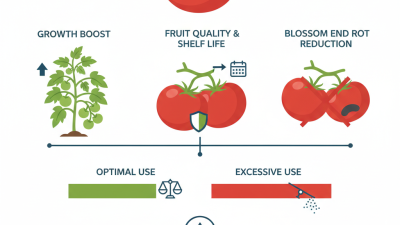
Consider crop type and growth stage. Some crops require more calcium than others. Leafy greens often benefit from higher calcium levels, while root crops might need different ratios. In general, maintaining adequate calcium can improve fruit quality and reduce rot. Research indicates that 20-25% of calcium nitrate can enhance yield in certain vegetables.
Evaluate environmental factors as well. Moisture levels and soil pH influence nutrient uptake. In dry conditions, crops may need more calcium to alleviate stress. Moreover, a pH below 6.0 can hinder nutrient absorption. Regular soil monitoring can help adjust calcium nitrate applications effectively. Aim to stay informed about these varying factors to optimize your fertilization strategy.
Where to Source Quality Calcium Nitrate for Purchase
When sourcing quality calcium nitrate for agricultural needs, it's essential to know the right places. Start by exploring agricultural supply stores in your area. These local outlets often stock essential fertilizers, including calcium nitrate. The advantage is that you can seek advice from knowledgeable staff about your specific requirements.
Online suppliers are another option. They can offer a wider selection of products. Compare different suppliers for prices and reviews. Reading feedback from other farmers can give you insights into the product’s quality and performance. However, always verify the credibility of the online source. A poorly rated vendor can lead to subpar products.
You might also consider reaching out to agricultural co-ops. These organizations often sell quality fertilizers at reasonable prices. Be open to community recommendations. Networking with other farmers can also yield valuable tips on where to find the best calcium nitrate. It can save you time and money in the long run.
Evaluating Suppliers: Key Factors to Consider
When purchasing calcium nitrate for agricultural use, evaluating suppliers is crucial. A good supplier should demonstrate reliability and industry expertise. According to a report by the Agricultural Chemical Association, 78% of farmers prioritize supplier experience. This experience often reflects the supplier's ability to provide quality products and support.
Consider if the supplier offers consistent supply reliability. Data shows that disruptions in supply can lead to crop yield losses of up to 30%. Assess their inventory management practices and lead times. It’s beneficial to choose suppliers with established logistics to ensure timely delivery of your calcium nitrate.
Tips: Look for suppliers that provide
certifications of product quality. This can significantly reduce risks associated with poor-quality fertilizers. Also, engage in discussions with the supplier regarding their
sourcing methods. Transparency in sourcing indicates a commitment to quality.
Lastly, check if they provide
technical support related to application methods. Suppliers that offer tailored advice can help maximize the benefits of calcium nitrate. An informed selection process can enhance crop performance and improve
overall yield.
Tips for Safe Handling and Application of Calcium Nitrate
When handling calcium nitrate, safety is paramount. Always wear appropriate personal protective equipment, such as gloves and goggles. These will help prevent irritation from contact with skin or eyes. Additionally, work in a well-ventilated area. Fumes can be harmful if inhaled. Keeping a first aid kit nearby is a good practice. Know how to respond to accidental spills. Immediate action can prevent larger issues.
Storing calcium nitrate correctly is equally important. Keep it in a cool, dry place. Avoid exposing it to heat or moisture, as this can lead to degradation. Make sure containers are sealed tightly. Label them clearly to avoid confusion. When applying calcium nitrate to crops, follow recommended guidelines.
Use the appropriate amounts for your specific plants. Overapplication can lead to nutrient runoff, affecting local waterways.
Always check the product's safety data sheet for specific handling instructions. It is a valuable resource that provides vital information. Stay informed about local regulations concerning fertilizer use. Regular training on safe handling and best practices helps prevent accidents. Reflect on your processes to improve safety in the future.