What is Calcium Nitrate and How is it Used as Fertilizer?
Calcium Nitrate As Fertilizer plays a crucial role in modern agriculture. This compound offers essential nutrients to plants. According to industry reports, the global demand for nitrogenous fertilizers will reach over 116 million metric tons by 2025. Calcium nitrate, a popular choice, significantly contributes to this demand due to its unique properties.
Calcium nitrate helps improve soil structure and promotes root development. Its efficiency in enhancing nutrient uptake is well-documented. Studies indicate that using calcium nitrate can increase crop yields by up to 20%. Moreover, it ensures crops receive balanced nutrients throughout their growth cycle. Despite these benefits, improper usage can lead to nutrient imbalances in the soil.
Farmers must consider the right application rates for optimal results. Industry experts suggest regular soil testing to avoid over-fertilization. Adjusting application based on soil needs can enhance effectiveness. Calcium nitrate is not without its challenges; understanding its balanced use is vital for sustainable agriculture.

What is Calcium Nitrate?
Calcium nitrate is an important compound utilized in agriculture. It consists of calcium, nitrogen, and oxygen. This compound is soluble in water and provides essential nutrients to plants. Calcium is crucial for cell wall structure, while nitrogen promotes healthy leaf growth.
Studies indicate that calcium nitrate can enhance crop yield significantly. For instance, a report by the International Fertilizer Association shows that the use of calcium nitrate can increase vegetable production by 10-20%.
In practice, calcium nitrate is favored in hydroponics and fertigation systems. It helps maintain optimal pH levels in the soil, promoting better nutrient uptake.
However, its use is not without challenges. Excessive application can lead to nitrogen leaching, which can contaminate water sources. Additionally, farmers must be cautious about the timing of application. Improper timing can stress plants, especially during bloom.
Farmers often seek reliable data to guide their use of calcium nitrate. Soil testing is a key practice that determines the appropriate amounts for specific crops. Despite its benefits, it is essential to balance calcium nitrate with other fertilizers. The goal should be to maximize crop health without causing environmental harm. Research consistently highlights the need for sustainable practices in fertilizer application, suggesting that awareness and education are crucial.
Chemical Composition and Properties of Calcium Nitrate
Calcium nitrate is a compound made of calcium, nitrogen, and oxygen. Its chemical formula is Ca(NO3)2. This fertilizer is highly soluble in water, which allows plants to absorb its nutrients quickly. Calcium and nitrogen are essential for plant growth. Calcium helps strengthen cell walls, while nitrogen promotes healthy foliage and overall plant development.
In terms of properties, calcium nitrate provides both macronutrients and secondary nutrients. Unlike some fertilizers, it does not cause salinity issues when used properly. However, care should be taken regarding quantities. Over-application can risk nutrient imbalance in the soil. Farmers need to test their soil often, as every type of soil holds different nutrient levels.
When utilizing calcium nitrate, one must also consider its interaction with other soil components. It can affect the pH balance, which is vital for plant health. This impact may lead to unforeseen challenges in crop yields. Observing crop responses to calcium nitrate requires diligence and observation. Farmers should document their experiences for continuous improvement.
Agricultural Uses of Calcium Nitrate as a Fertilizer
Calcium nitrate is a popular choice among farmers for its effectiveness as a fertilizer. It provides both calcium and nitrogen, two essential nutrients for plant growth. Calcium is crucial for cell wall development, while nitrogen promotes lush green foliage. The dual action of this compound makes it versatile for various crops.
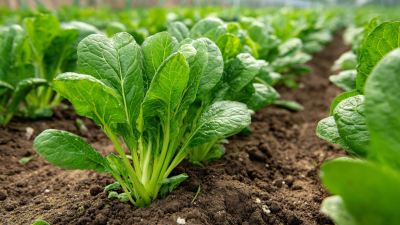
In agriculture, calcium nitrate is commonly used for tomatoes, lettuce, and other vegetables. It helps improve yield and quality. For instance, when used in hydroponics, it supports healthy root systems. Farmers often apply it through fertigation, where it dissolves in irrigation water. This method ensures even distribution and quick absorption by plants.
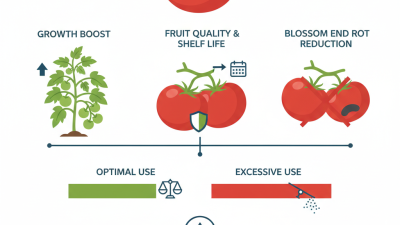
Despite its benefits, there are challenges. Over-application can lead to calcium buildup in the soil, affecting other nutrients. Farmers must monitor soil health regularly. Understanding the specific needs of crops is essential. Balancing calcium nitrate with other fertilizers can enhance results. A one-size-fits-all approach often falls short.
Benefits of Using Calcium Nitrate in Crop Production
Calcium nitrate is a vital fertilizer in modern agriculture. It provides plants with essential nutrients like calcium and nitrogen. These elements support strong root growth and help crops thrive. However, using calcium nitrate isn't without challenges. Farmers must monitor soil pH carefully. Too much calcium can lead to an imbalance, affecting plant health.
The benefits of calcium nitrate in crop production are significant. It enhances soil structure and promotes nutrient uptake. Crops treated with calcium nitrate often show improved yield and quality. For instance, tomatoes grown with this fertilizer can exhibit better flavor and firmness. However, farmers should be cautious. Over-application can harm the environment. The runoff from fields can affect nearby water sources. Thus, responsible usage is essential.
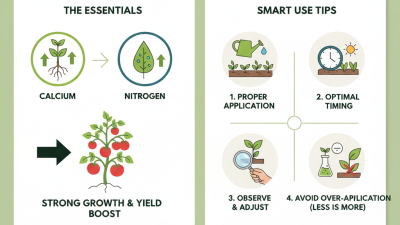
Understanding the right application methods is key. Calcium nitrate can be applied through different techniques, like drip irrigation, which improves efficiency. Yet, improper timing or dosage can result in diminished benefits. Regular soil testing is recommended to optimize its use. Fostering a thoughtful approach leads to healthier crops and sustainable practices in farming.
Application Methods and Rates for Calcium Nitrate Fertilizer
Calcium nitrate is a crucial fertilizer in agriculture. It provides both calcium and nitrogen, essential for plant growth. Its application enhances crop quality and yield. Understanding how to apply it effectively is vital for farmers.
There are multiple methods to apply calcium nitrate. Farmers commonly use fertigation, where nutrients are added to irrigation water. This technique allows for even distribution. Broadcasting is another method, which involves spreading fertilizer across the soil surface. Studies indicate that applying calcium nitrate at a rate of 100-200 kg/ha can significantly improve vegetable crops. Potatoes and tomatoes, for instance, have shown a remarkable yield increase when calcium nitrate is used.
Tips: Always consider soil testing before application. This ensures the right nutrient balance is achieved. Timing is crucial too. Applying calcium nitrate during the growing season maximizes absorption and effectiveness. Remember, over-application can lead to nutrient imbalances and reduced crop health. Managing these factors carefully promotes better farming outcomes.