Why Choose Calcium Nitrate As Fertilizer For Your Plants?
Choosing the right fertilizer is crucial for plant health. One standout option is Calcium Nitrate As Fertilizer. It provides essential nutrients that enhance growth and yields. According to the International Journal of Agronomy, Calcium Nitrate can improve crop quality and resistance to diseases.
Research shows that Calcium Nitrate helps in nitrogen and calcium delivery, both vital for plant functions. This compound ensures better root development and overall plant vigor. A recent report by the Agricultural Research Service notes that this fertilizer can lead to a 10-20% increase in crop yields in certain conditions.
Farmers have observed significant improvements using Calcium Nitrate as fertilizer. However, it's important to apply it correctly. Over-application may lead to nutrient imbalances. Striking a balance is essential for maximizing benefits while minimizing potential downsides. Thus, understanding the proper use of Calcium Nitrate is key for any grower seeking optimal results.

What is Calcium Nitrate and Its Role in Plant Nutrition?
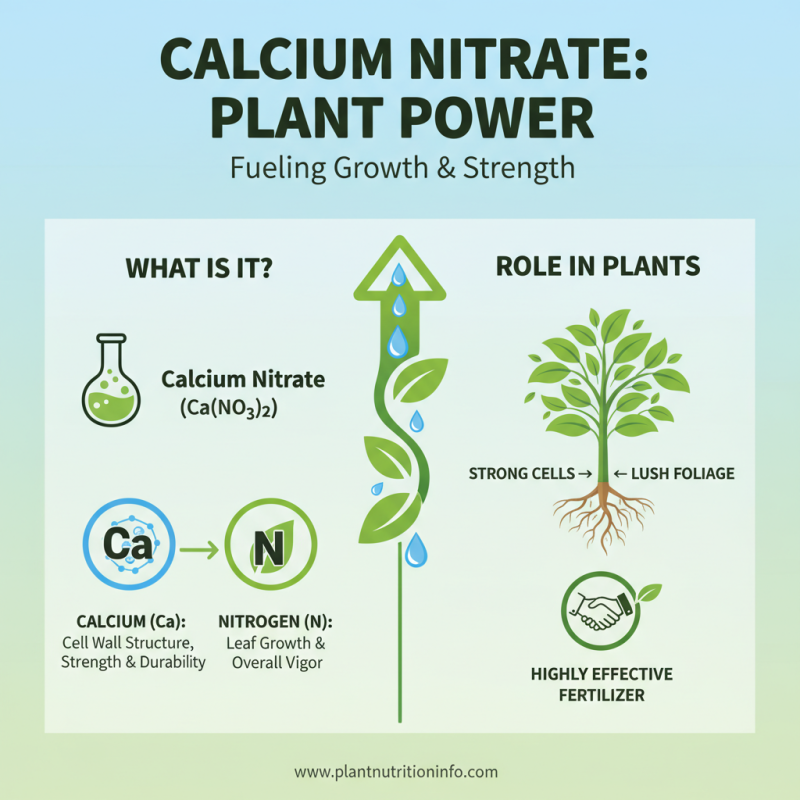
Calcium nitrate is a highly effective fertilizer that plays a critical role in plant nutrition. It consists of calcium and nitrogen, two essential elements for plant growth. Calcium supports cell wall structure, promoting strength and durability. Meanwhile, nitrogen is vital for leaf growth and overall vigor.
Calcium nitrate helps improve the absorption of other nutrients. This fosters a healthier and more productive plant. Healthier plants are less prone to diseases. They can withstand environmental stresses better, such as drought or pests. However, overapplication can lead to nutrient imbalances. Monitoring soil levels is essential to avoid this pitfall.
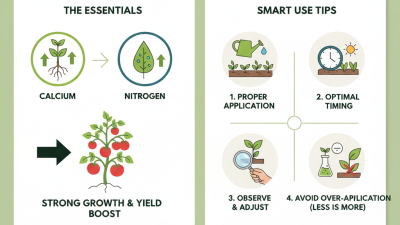
**Tip:** Always test your soil before applying fertilizers. This helps ensure that you use the right amounts. Over-fertilizing can harm plants and the surrounding environment.
Calcium nitrate is also soluble in water, making it easy to apply. This feature allows for efficient nutrient uptake, but it can also wash away quickly with heavy rain. Farmers may need to reapply it more frequently in certain conditions. Understanding your soil and climate conditions can optimize the benefits of calcium nitrate.
**Tip:** Consider using a slow-release form in sandy soils. This can reduce the need for frequent applications and help retain moisture.
Key Benefits of Using Calcium Nitrate as Fertilizer
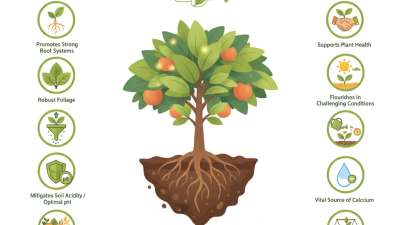
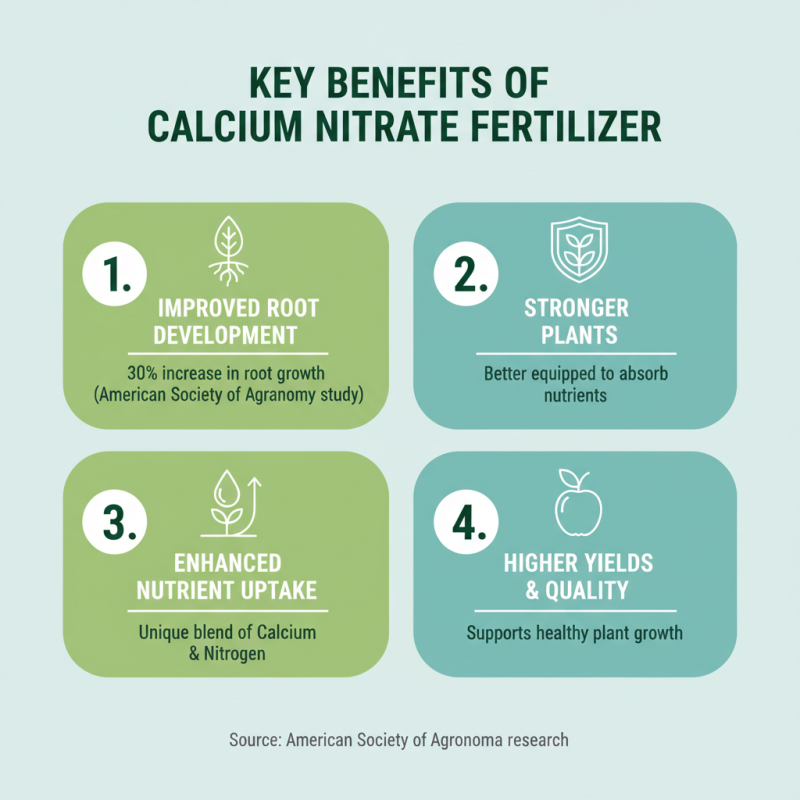
Calcium nitrate is gaining popularity among gardeners and farmers for various reasons. Its unique blend of calcium and nitrogen offers specific benefits that many other fertilizers cannot provide. Research demonstrates that calcium nitrate improves root development significantly. A study from the American Society of Agronomy found that plants treated with calcium nitrate showed a 30% increase in root growth compared to those using conventional nitrogen sources. This can lead to stronger plants that are better equipped to absorb nutrients.
Another vital aspect is its role in preventing blossom end rot, a common issue in crops such as tomatoes and peppers. Calcium is essential for cell wall structure, directly aiding in fruit development. According to the Journal of Plant Nutrition, the application of calcium nitrate reduced blossom end rot incidence from 40% to just 5% in affected tomato plants. This statistic highlights the importance of calcium in maintaining plant health during critical growth stages.
However, it’s essential to consider the potential downsides. Over-application can lead to nutrient imbalances, particularly affecting soil pH. Using calcium nitrate without proper soil testing can inadvertently alter the soil’s natural acidity. Thus, while calcium nitrate offers numerous benefits, careful management and monitoring are crucial for maximizing its effectiveness.
How Calcium Nitrate Affects Soil and Plant Health
Calcium nitrate is a popular choice among gardeners and farmers for its beneficial effects on soil and plant health. This compound provides crucial nutrients, including calcium and nitrogen, essential for plant growth. Studies have shown that calcium can improve root growth and structural integrity, leading to stronger plants. According to the International Journal of Plant Nutrition, calcium nitrate can increase yield by up to 20% in certain crops.
The impact of calcium nitrate on soil health is particularly noteworthy. It enhances soil structure by promoting microbial activity. Healthy microbial populations contribute to better nutrient cycling. However, excessive use can lead to imbalances in soil pH. A balanced approach ensures that soil remains fertile over time. Additionally, the University of California Agriculture and Natural Resources highlights the importance of proper application rates to avoid nutrient leaching, which can degrade water quality.
Real-life experiences often reveal that while calcium nitrate aids in boosting crop resilience against diseases, it is not a one-size-fits-all solution. Soil types and environmental conditions greatly influence its effectiveness. Gardeners should conduct soil tests before application to tailor fertilization strategies. Understanding specific plant needs can prevent overdependence on fertilizers, promoting a more sustainable approach to agricultural practices.
Application Methods for Calcium Nitrate in Gardening
Calcium nitrate serves as a valuable fertilizer for gardeners. Its primary benefit lies in its ability to quickly supply calcium and nitrates. These nutrients support plant growth, enhancing structure and vitality. There are several effective methods to apply calcium nitrate in your garden.
One common method is to dissolve the calcium nitrate in water. A typical ratio is about one tablespoon per gallon. This solution can be used to irrigate plants every few weeks. Be careful not to overapply, as it may lead to nutrient burn. Foliar spraying is also an option. This allows plants to absorb nutrients directly through their leaves. Timing is essential; apply in the early morning or late afternoon to avoid sunburn.
Granular calcium nitrate can be mixed into garden soil. Spread a thin layer in the planting area before sowing seeds. This enhances nutrient availability during critical growth phases. Keep in mind that soil pH may shift with calcium nitrate use. Regularly monitor your soil pH to maintain balance. Remember, while calcium nitrate can boost growth, moderation is key. Over-reliance can lead to issues, such as salt build-up.
Calcium Nitrate Application Methods in Gardening
This chart showcases the effectiveness of different methods of applying calcium nitrate in gardening, with a score rating their performance on a scale of 1 to 10. The highest effectiveness is seen in hydroponics, followed by fertigation and soil drench methods.
Comparing Calcium Nitrate with Other Fertilizers
Calcium nitrate is becoming a top choice among gardeners and agricultural experts. It provides essential nutrients that promote plant growth. Compared to traditional fertilizers, calcium nitrate is unique. It delivers both calcium and nitrogen simultaneously. These nutrients are critical for strong cell development and overall plant health.
When comparing calcium nitrate with other fertilizers, the differences become clear. Many fertilizers emphasize nitrogen only. This can lead to imbalances. Calcium is often overlooked but is vital for many processes. Without enough calcium, plants can suffer from blossom end rot or stunted growth. On the other hand, organic options may provide a slower nutrient release. While beneficial, they might not meet immediate nutrient needs.
Calcium nitrate acts quickly, making it an efficient choice. However, some growers worry about its high solubility. This could potentially lead to leaching in certain soils. It’s essential to understand the specific needs of your plants. Effective fertilization requires careful consideration of all factors. This approach allows for better plant health and productivity.
Why Choose Calcium Nitrate As Fertilizer For Your Plants? - Comparing Calcium Nitrate with Other Fertilizers
| Fertilizer Type |
Primary Nutrients |
Secondary Nutrients |
Soil pH Effects |
Cost per lb ($) |
Application Rate (lbs/1000 sq ft) |
| Calcium Nitrate |
Calcium, Nitrogen |
None |
Neutral to slightly raises pH |
0.70 |
5-15 |
| Urea |
Nitrogen |
None |
Slightly decreases pH |
0.50 |
5-10 |
| Ammonium Sulfate |
Nitrogen, Sulfur |
None |
Decreases pH |
0.60 |
5-15 |
| Triple Super Phosphate |
Phosphorus |
None |
Neutral |
0.80 |
5-10 |