Leave Your Message

China Best Potassium Nitrate Suppliers and Prices

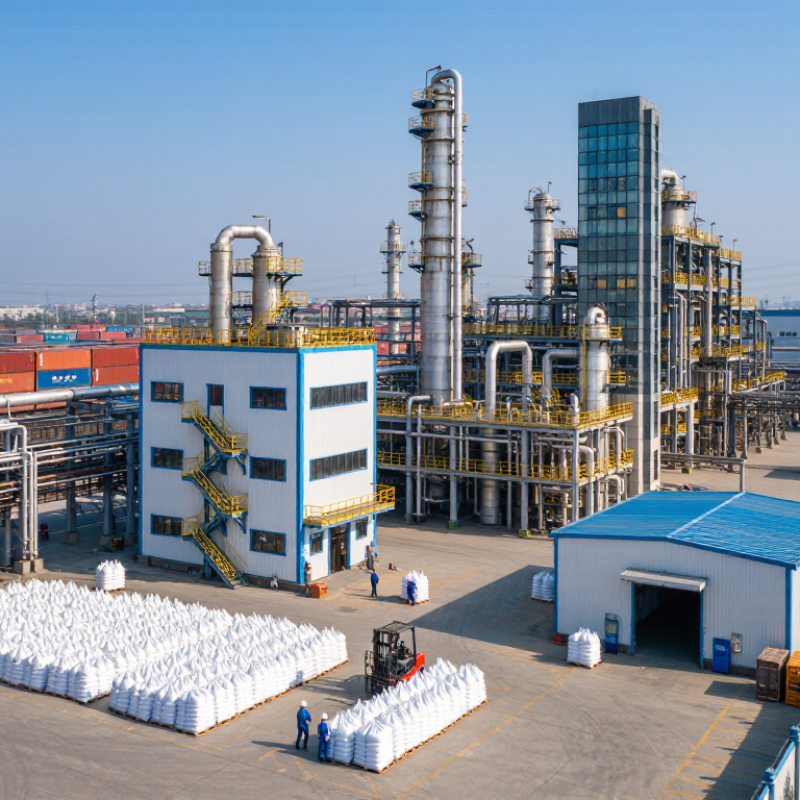
China is a major source of Potassium Nitrate for agricultural and industrial buyers worldwide. However, supplier quality and pricing can differ sharply. Product grade, production method, packaging, and shipping terms all influence the final quotation.

The International Fertilizer Association reported continued pressure on fertilizer markets from energy costs, logistics, and changing agricultural demand. The World Bank’s Commodity Markets Outlook also shows that fertilizer prices remain sensitive to natural gas and freight movements. These factors matter when comparing Chinese offers. A low factory price may not be the lowest delivered cost.

Dr. Robert Mikkelsen, a recognized plant nutrition specialist, has stated, “Potassium is essential for many plant processes, including water regulation and enzyme activation.” This explains why Potassium Nitrate is valued in fertigation, greenhouse production, and high-value crops. It supplies nitrogen and potassium without adding chloride, which can benefit chloride-sensitive plants.

This guide examines China’s leading Potassium Nitrate suppliers, available grades, export experience, and practical price ranges. It also considers certificates, batch consistency, moisture control, and packaging details. A supplier’s website is not enough evidence. Buyers should request recent test reports, production dates, Incoterms, and independent quality verification.

Prices change quickly. That is unavoidable. Reported figures may also exclude port charges, insurance, taxes, or inland delivery. For this reason, the most useful comparison combines technical evidence with a realistic landed-cost calculation. Some listings appear attractive, yet their specifications are incomplete. That weakness deserves attention before any purchase decision.

China Best Potassium Nitrate Suppliers and Prices

Potassium Nitrate: Properties, Uses, and Industry Standards in China

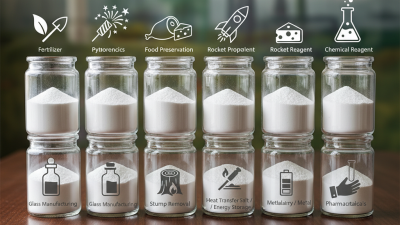
Potassium nitrate is a white, crystalline salt with high water solubility. Its formula is KNO₃. The material supplies both potassium and nitrogen, making it valuable in water-soluble fertilizers and controlled crop nutrition. It also supports selected glass, ceramics, heat-treatment, and food-processing applications where permitted. Grade matters greatly. Agricultural material may not meet the tighter requirements of technical or high-purity material. Buyers should review assay, moisture, insoluble matter, chloride, sodium, particle size, and packaging condition.

In China, reliable purchasing depends on matching the product with the correct national, sector, and application-specific standards. A supplier should provide a current certificate of analysis, batch number, production date, test methods, and traceable quality records. Prices can change with purity, granulation, packaging, order volume, energy costs, transport distance, and seasonal fertilizer demand. The lowest quotation may hide higher freight or inconsistent particle size. That is easy to overlook. Supplier evaluation should include production capability, laboratory controls, export experience, and documented compliance for the destination market.

Tips: Request a recent sample before signing a large contract. Compare quotations on a delivered-cost basis, not only per-ton pricing. Store potassium nitrate in sealed, dry packaging away from contamination and incompatible materials. Confirm local handling and transport requirements before shipment. One practical caution: even clear specifications can fail if sampling is weak, so independent inspection may be worthwhile for high-value orders.

How to Evaluate Potassium Nitrate Suppliers in China

China Best Potassium Nitrate Suppliers and Prices
How to Evaluate Potassium Nitrate Suppliers in China

Evaluating a potassium nitrate supplier requires more than comparing price per metric ton. Request a recent certificate of analysis for every proposed grade. Check potassium nitrate content, moisture, insoluble matter, chloride, and particle size. These values affect storage, blending, and application performance. Ask whether the test results come from an independent laboratory or an internal quality team.

A reliable supplier should provide batch numbers, production dates, safety data, and clear export documentation. Traceability matters when several pallets arrive with different lot codes. Review packaging details carefully. For example, woven bags with inner liners can reduce moisture exposure during a long sea shipment. Confirm the loading port, minimum order quantity, lead time, payment terms, and inspection process before signing. Paperwork is not proof.

Practical evaluation should include a representative sample and a small trial order. Compare the sample with the delivered material, not only with the specification sheet. Samples can mislead. I have seen buyers focus on a low quotation and overlook inconsistent granulation or weak packaging. That mistake can create extra screening, storage losses, or delayed production. Ask direct questions about complaint handling and replacement procedures. A supplier that answers precisely, documents changes, and accepts reasonable third-party inspection is usually easier to manage. Price still matters, but predictable quality often has greater value than the cheapest offer.

Key Factors Influencing Potassium Nitrate Prices

Key Factors Influencing Potassium Nitrate Prices

Potassium nitrate prices rarely follow one simple index. The World Bank’s Commodity Markets Outlook, April 2024, reported a sharp correction in global fertilizer prices during 2023. However, its Pink Sheet does not provide a dedicated potassium nitrate benchmark. This limitation matters. Buyers must compare quotations by grade, packaging, delivery terms, and payment conditions.

Production costs remain central. Potassium chloride, nitric acid, natural gas, electricity, and packaging can all change the factory offer. Freight is equally important for delivered prices. A 25-kilogram bag may look inexpensive at the plant, yet ocean freight, insurance, port charges, and inland trucking can materially raise the final cost. Currency movements add another layer, especially for international contracts.

Demand also shifts with greenhouse planting, fertigation schedules, and seasonal agricultural purchases. The International Fertilizer Association’s 2024 Medium-Term Fertilizer Outlook expects global fertilizer demand to grow through 2028, supporting long-term consumption. Still, demand growth does not guarantee stable prices. A large tender, port delay, or sudden energy-cost increase can change quotations within weeks. In practice, a supplier comparison should request recent production dates and a clear delivered-cost breakdown. That approach is slower, but more reliable. No quotation is perfect. A spreadsheet can look precise and still hide quality differences.

Major Supplier Regions and Product Grades in China

China’s potassium nitrate supply base is concentrated around major chemical and agricultural regions. Shandong and Jiangsu offer strong manufacturing capacity, port access, and efficient domestic transport. Hubei and Sichuan also support production because of established chemical infrastructure. Inland suppliers may provide competitive factory prices, but freight can change the final cost considerably.

Product grade should match the intended use. Agricultural grade commonly contains about 13% nitrogen and 46% potassium oxide. Buyers often check purity, moisture, insoluble matter, and particle uniformity. Industrial grade usually requires tighter control of impurities and more consistent granules. Reagent grade needs stricter documentation and laboratory testing. Small differences matter in irrigation systems.

In practical purchasing, prices are rarely fixed for long. Seasonal fertilizer demand, raw material costs, packaging, order volume, and delivery distance all affect quotations. A 25-kilogram bag may suit trial orders, while one-ton bulk packaging reduces handling costs. Always request a current certificate of analysis and a retained sample. A low quotation can look attractive, but my own sourcing reviews show that unstable particle size may create extra screening work. Supplier questionnaires help, though they cannot replace independent testing.

Import, Quality Control, and Purchasing Considerations

China Best Potassium Nitrate Suppliers and Prices

Importing potassium nitrate requires more than comparing the lowest quotation. Experienced buyers check supplier capability, production consistency, export documents, and delivery history. Prices can change with raw material costs, order volume, packaging, port charges, and currency movements. Request a detailed quotation with product grade, purity, particle size, packing weight, Incoterms, and validity dates. A cheap offer may exclude inspection or inland transportation.

Quality control should begin before shipment. Ask for a recent Certificate of Analysis, Safety Data Sheet, batch number, and independent laboratory results when the order is significant. Check nitrogen and potassium content, moisture, insoluble matter, and appearance against your technical specification. White crystals should arrive dry, clean, and free from hardened lumps. Confirm that labels and packaging meet destination-country requirements. Import procedures may also require correct tariff classification, permits, customs records, and transport documentation. Requirements differ by market.

Tips: Compare at least three written quotations. Order a sample when practical. Use sealed, moisture-resistant bags and inspect pallets before loading. Specify tolerance limits in the contract. Keep retained samples for future disputes. Do not rely only on photographs or sales promises. My purchasing reviews have sometimes focused too much on price. That was a mistake. A small quality variation can affect blending, storage, and field performance. No checklist is perfect, so record every inspection decision and question unclear documents before payment.

China Best Potassium Nitrate Suppliers and Prices - Import, Quality Control, and Purchasing Considerations
Data Dimension Typical Market Information Import and Purchasing Relevance Quality-Control Check
Product Name Potassium nitrate, also known as potassium saltpeter; chemical formula KNO3. Confirm that the quotation refers to potassium nitrate rather than potassium chloride, potassium sulfate, or blended fertilizer. Review the product name, chemical formula, CAS number 7757-79-1, and certificate of analysis.
Common Agricultural Grade Water-soluble fertilizer commonly specified at approximately 13.5% nitrogen and 46.2% K2O by mass. Suitable for fertigation, greenhouse crops, foliar feeding, and crops sensitive to chloride when the grade is properly certified. Verify nitrogen and potassium content using recognized laboratory methods and compare results with the contract specification.
Common Industrial Grade Industrial specifications vary by application; buyers may require low insoluble matter, controlled moisture, and defined purity. Applications can include heat-transfer formulations, glass manufacturing, metal treatment, and other industrial processes. Specify purity, moisture, insoluble matter, chloride, sulfate, iron, heavy metals, and particle-size requirements where relevant.
Typical Appearance White crystalline or granular solid that is free-flowing when properly packed and stored. Discoloration, caking, excessive dust, or foreign particles may indicate contamination, moisture exposure, or unsuitable packaging. Inspect representative samples and record appearance, odor, caking condition, and foreign-material observations.
Water Solubility Highly soluble in water; solubility increases substantially as temperature rises. Published values are commonly around 13 g per 100 g of water at 0°C and about 32 g per 100 g at 20°C. Important for fertigation, solution preparation, crystallization control, and winter transport or storage. Use a defined test temperature and method when comparing dissolution performance between samples.
Indicative Export Price Range Approximately US$350–650 per metric ton for standard bulk agricultural material in international trade, depending on market conditions, grade, volume, origin, packaging, and delivery term. Use this only as a budgeting reference. A firm price requires a current quotation, specification, quantity, destination, currency, and Incoterm. Compare equivalent specifications and delivery terms. A lower price may exclude freight, insurance, inspection, duties, or special packaging.
Premium or Specialty Grade Pricing Usually higher than standard agricultural grade when tighter purity, lower impurities, refined particle size, or specialized packaging is required. Industrial, laboratory, and high-purity requirements should not be compared directly with fertilizer-grade offers. Request a complete specification sheet and test report before evaluating price differences.
Minimum Order Quantity Commercial export orders are often quoted by full container, vessel lot, or palletized shipment; exact minimum quantities vary by supplier and packaging format. Small orders may have a higher unit cost because of repacking, handling, documentation, and freight charges. Confirm the minimum order quantity, loading quantity, permissible weight tolerance, and whether mixed products are allowed.
Typical Packaging Common formats include 25 kg or 50 kg woven polypropylene bags with an inner liner, larger bags, or bulk shipment where permitted. Packaging must protect the product from humidity, contamination, tearing, and prolonged exposure during handling and transit. Specify bag material, liner type, net weight, stitching, palletization, markings, and packaging photographs before shipment.
Container Loading Actual loading depends on bag size, pallet use, container type, local weight restrictions, and shipping-line limitations. Ask for the planned net and gross weight rather than relying on a generic container estimate. Check the packing list, container seal, loading photographs, and final verified weight.
Recommended Incoterms Common quotation terms include FOB, CFR, and CIF. The suitable term depends on the buyer’s freight control, insurance needs, and destination port. Ensure that the quote clearly states the named port or place, responsibility for freight, insurance, export clearance, and risk transfer. Match the commercial invoice, bill of lading, packing list, and insurance document with the agreed Incoterm.
Export Documents Typical documents include commercial invoice, packing list, bill of lading, certificate of analysis, certificate of origin, and safety data sheet when required. Destination-country customs and fertilizer authorities may request additional permits, registration, labeling, or conformity documents. Agree on the document list before payment and verify that product names, quantities, batch numbers, and consignee details are consistent.
Certificate of Analysis Should identify the batch number, production or inspection date, specification limits, test results, and testing methods. A batch-specific document is more useful than a generic technical data sheet. Check assay, nitrogen, K2O, moisture, insoluble matter, chloride, sulfate, and any customer-specific limits.
Moisture and Caking Potassium nitrate is not normally classified as highly hygroscopic, but moisture exposure can still contribute to caking and handling problems. Humidity control is especially important during storage, monsoon-season transport, and repeated opening of bags. Set a moisture limit, inspect bags for leaks, and use dry, well-ventilated storage on pallets away from walls and floors.
Chloride Control Low chloride is a key advantage of potassium nitrate compared with chloride-containing potassium fertilizers. Important for chloride-sensitive crops and for industrial processes where chloride can affect corrosion or product quality. Require a stated chloride limit and a test result from the relevant batch.
Impurities to Monitor Potentially relevant parameters include insoluble matter, chloride, sulfate, sodium, calcium, magnesium, iron, heavy metals, and moisture. The required limits depend on whether the material is agricultural, industrial, technical, or high-purity grade. Do not accept unspecified terms such as “high quality” without numerical limits and test methods.
Particle Size Suppliers may offer crystalline, granular, prilled, or screened material with different particle-size distributions. Particle size affects dissolution speed, dust formation, blending, pneumatic conveying, and application equipment performance. Request sieve analysis or a particle-size distribution with defined retention limits.
Sampling Plan A representative sample should be collected from multiple bags or loading points rather than from a single package. Pre-shipment inspection can reduce the risk of receiving off-specification or contaminated material. Use an agreed sampling procedure, sealed retain samples, and an independent laboratory for disputed results.
Supplier Evaluation Evaluate production capability, export experience, quality system, batch traceability, laboratory facilities, and response time. Price alone does not indicate supply reliability, consistency, or compliance with destination-country requirements. Request technical documents, recent batch records, inspection permissions, and references appropriate to the transaction.
Payment Risk Control Common arrangements may include a deposit with balance against shipping documents, documentary credit, or another mutually agreed method. Payment terms should reflect order size, supplier history, inspection rights, and the buyer’s trade-risk policy. Use written contracts covering specification, inspection, claims, shipment tolerance, late delivery, and dispute resolution.
Storage Conditions Store in a cool, dry, well-ventilated area on pallets, protected from rain, condensation, direct heat, and contamination. Keep away from combustible materials, reducing agents, acids, and incompatible chemicals. Follow the applicable safety data sheet and local regulations. Record warehouse temperature and humidity where practical, rotate stock, and inspect for damaged or caked bags.
Regulatory and Safety Review Potassium nitrate is an oxidizing substance and may be subject to transport, storage, fertilizer, customs, and security controls depending on the jurisdiction and quantity. Importers must verify current destination-country requirements before placing an order. Review the current safety data sheet, transport classification, labeling, import permits, and local dangerous-goods or fertilizer rules.
Best Purchasing Practice Compare at least three like-for-like quotations using the same grade, specification, quantity, packaging, destination, currency, and Incoterm. The best offer is the lowest compliant landed cost, not necessarily the lowest quoted product price. Calculate total landed cost including product, inland transport, ocean freight, insurance, inspection, customs duty, taxes, port charges, and local delivery.
Price Validity Potassium nitrate prices can change with feedstock costs, energy prices, fertilizer demand, freight rates, exchange rates, seasonality, and regulatory changes. Treat online prices and historical quotations as indicative unless they include a date, validity period, specification, and delivery basis. Request the quotation date, validity period, production lead time, and conditions for price adjustment.