Why Choose Water Soluble Potash Fertilizer for Your Crops?
In modern agriculture, maximizing crop yields is essential. Farmers face challenges like nutrient deficiencies and changing climate conditions. To address these, many are turning to Water Soluble Potash Fertilizer. This type of fertilizer dissolves easily in water, making it immediately available to plants. According to the International Fertilizer Association, potash is crucial for crop development, and its use can increase yields by up to 30%.
Research from industry experts shows that potassium plays a vital role in plant health. It helps with drought resistance and enhances nutrient uptake. Furthermore, Water Soluble Potash Fertilizer can be applied through various irrigation methods, allowing targeted delivery. Yet, some farmers worry about the cost and how to balance it with benefits. These concerns highlight the need for careful consideration.
Despite the effectiveness of Water Soluble Potash Fertilizer, it is not a one-size-fits-all solution. Each farm has unique conditions that may require tailored approaches. Farmers must assess their soil and crop needs. Balancing the use of this fertilizer with other sustainable practices is crucial for long-term success.

Benefits of Water Soluble Potash Fertilizer for Crop Nutrition
Water soluble potash fertilizer is gaining popularity among farmers. Its benefits for crop nutrition are significant. According to a recent industry report, potassium is a vital nutrient for plant growth. It supports root development, enhances drought resistance, and improves overall yield.
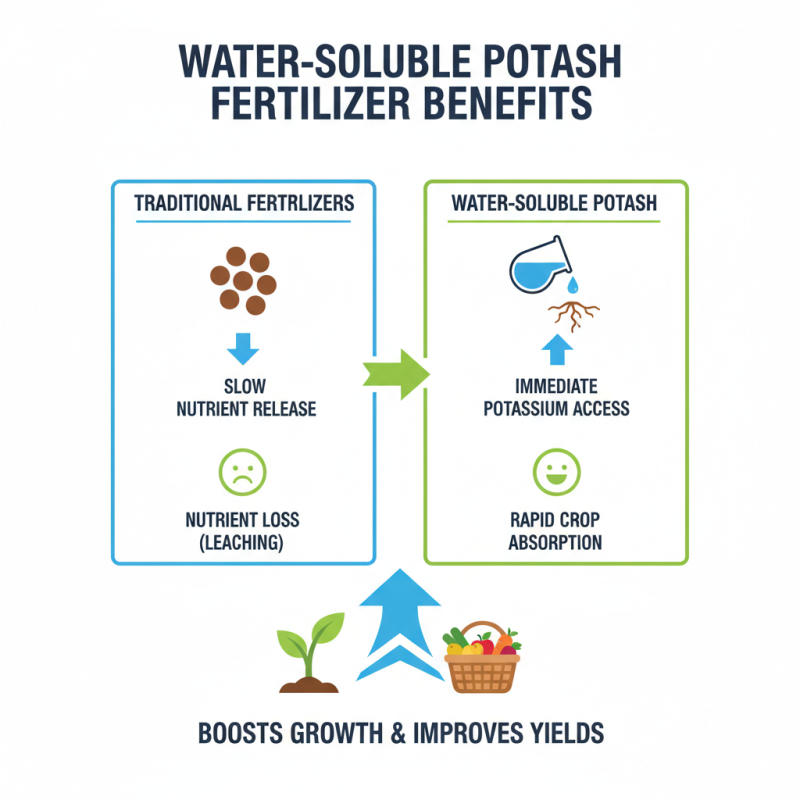
Using water soluble potash allows for quick absorption by crops. Studies indicate that crops receiving potassium from such fertilizers can see up to a 30% increase in yield. This quick action is crucial during critical growth stages. Adequate potassium levels can also improve fruit quality, leading to better marketability.
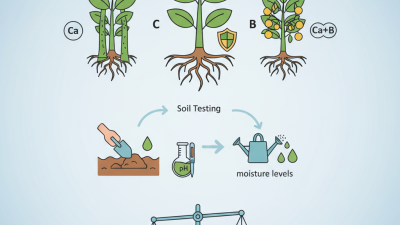
However, challenges remain. Over-reliance on any fertilizer may lead to soil degradation. Farmers must balance their use of water soluble potash with organic matter. Soil tests can help determine the right potassium levels needed. Understanding these dynamics is essential for sustainable agricultural practices.
Benefits of Water Soluble Potash Fertilizer for Crop Nutrition
How Water Soluble Potash Enhances Crop Yields and Quality
Water soluble potash fertilizer plays a crucial role in agriculture. It provides potassium, which is essential for healthy crop development. Potassium helps plants in many ways. It strengthens cell walls, promotes root growth, and improves drought resistance. Richer flavors and vibrant colors in fruits and vegetables result from adequate potassium levels.
However, applying water soluble potash requires careful attention. Over-application can lead to nutrient imbalances. This might cause poorer crop yields rather than improving them. Monitor soil conditions regularly. Testing helps determine the right amount to apply.
Tips: Water soluble potash is best applied during key growth stages. This timing maximizes uptake and benefits. Consider combining it with other nutrients for balanced growth.
Keep an eye on plant responses. If the leaves yellow or show signs of stress, adjust your fertilizer strategy. Agriculture is a dynamic field, and flexibility leads to better outcomes.
Application Methods for Water Soluble Potash in Agriculture
Water soluble potash fertilizers are gaining traction in modern agriculture due to their versatile application methods. These fertilizers dissolve easily in water, allowing for efficient nutrient absorption by crops. Research from the International Fertilizer Association shows that the use of water soluble fertilizers can boost crop yields by up to 20%. This is significant for farmers aiming for higher productivity.
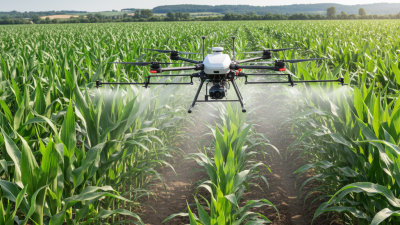
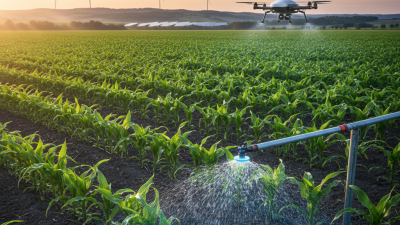
Common application methods include fertigation and foliar spraying. Fertigation, the practice of applying fertilizers through irrigation systems, allows for precise nutrient delivery. Studies indicate that fertigation can increase nutrient efficiency by 30% compared to traditional methods.
Foliar spraying is another effective technique. This method delivers nutrients directly to the leaves, leading to faster uptake. Data suggests that this can enhance growth rates, especially in potassium-demanding crops like potatoes and tomatoes. However, it requires careful timing and concentration management to prevent damage.
Thus, while water soluble potash fertilizers present clear benefits, appropriate methods are crucial for optimal results. Farmers must assess their needs critically to adopt these practices effectively.
Environmental Impact of Using Water Soluble Potash Fertilizer
Water soluble potash fertilizer has gained attention for its effectiveness and environmental benefits. This type of fertilizer improves nutrient availability. It reduces nutrient runoff, which is a significant issue in agriculture. According to a study by the International Plant Nutrition Institute, water soluble fertilizers can cut nitrogen leaching by up to 30%. This means healthier soil and better crop yields.
However, the environmental impact is often overlooked. Over-application can lead to soil salinity. This can harm crops and ecosystems. In a survey, 45% of farmers reported issues related to soil salinity when using conventional fertilizers. It's crucial to monitor application rates carefully.
Tip: Use soil testing to determine the right amount of fertilizer needed. This practice minimizes excess use and protects your environment.
Water soluble potash is efficient, yet it should be used wisely. It is important to balance between fostering growth and protecting soil health. Regular evaluation of your fertilizer practices can help avoid adverse effects.
Why Choose Water Soluble Potash Fertilizer for Your Crops? - Environmental Impact of Using Water Soluble Potash Fertilizer
| Aspect |
Water Soluble Potash Fertilizer |
Traditional Potash Fertilizer |
| Nutrient Availability |
High |
Medium |
| Leaching Potential |
Lower |
Higher |
| Environmental Impact |
Reduced |
Potentially Higher |
| Application Efficiency |
High |
Low |
| Cost-Effectiveness |
Higher Initial Cost |
Lower Initial Cost |
| Suitability for Organic Farming |
Yes |
No |