How to Choose the Best Water Soluble Liquid Fertilizer for Your Plants?
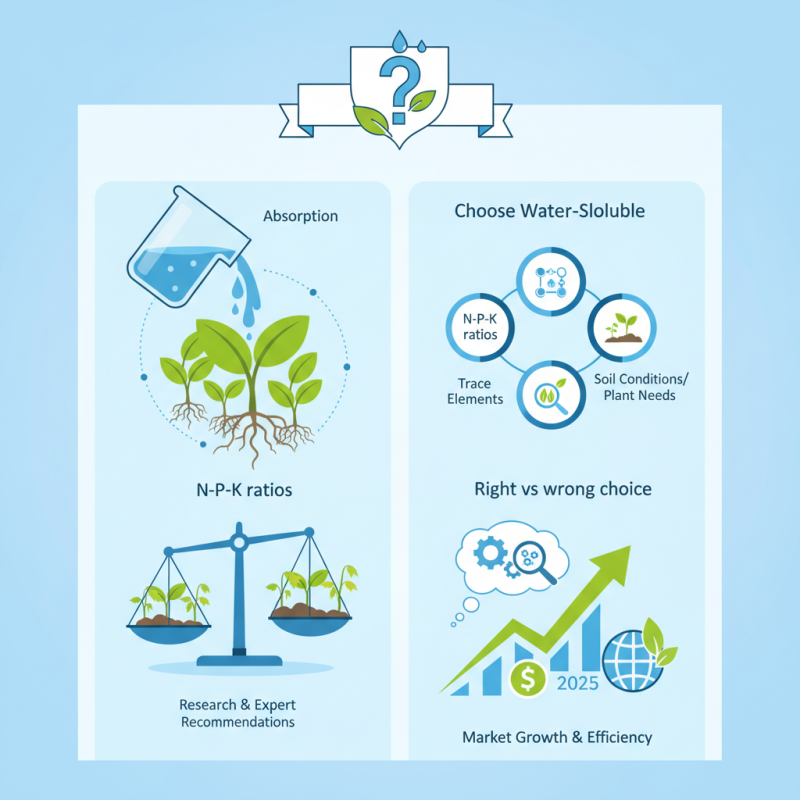
Choosing the right Water Soluble Liquid Fertilizer is crucial for plant health. In recent years, the demand for liquid fertilizers has surged. According to a report by Grand View Research, the global liquid fertilizer market is expected to reach USD 8.75 billion by 2025. This growth highlights a shift toward more efficient fertilization methods.
Water Soluble Liquid Fertilizers (WSLF) offer numerous advantages. They provide essential nutrients in a readily available form. Plants can absorb these nutrients quickly, promoting growth and vitality. However, selecting the best product can be challenging due to various options available. Not all fertilizers are created equal, and the wrong choice can lead to nutrient imbalances or environmental harm.
It's essential to consider factors like N-P-K ratios and trace elements when choosing WSLF. Some products may overpromise results, while others underdeliver. Research and expert recommendations can provide insights. Understanding your specific plant needs and soil conditions will help in making an informed decision.
Understanding Water Soluble Liquid Fertilizers and Their Benefits
Water soluble liquid fertilizers offer significant advantages for plant growth. They dissolve easily in water, allowing for quick absorption by plants. With a balanced mix of nutrients, these fertilizers support healthy development. They ensure that your plants receive essential minerals, promoting vibrant foliage and increased blooms.
Using these fertilizers can improve soil health, too. When applied correctly, they enhance nutrient availability in the soil. Some gardeners find it challenging to determine the right type and dosage for their plants. Over-fertilization can lead to nutrient burn, which is damaging. It requires careful observation and adjustments based on plant responses.
Understanding the specific needs of your plants is crucial. Different species may require varying nutrient ratios. Some might thrive on higher nitrogen levels, while others prefer potassium-rich solutions. Consistent testing of soil and water can guide your choices. This approach helps in avoiding nutrient imbalances and promotes long-term plant health. Each gardening experience teaches valuable lessons for future growth.
How to Choose the Best Water Soluble Liquid Fertilizer for Your Plants?
| Fertilizer Type |
N-P-K Ratio |
Primary Benefit |
Best for |
Usage Frequency |
| Floral Formula |
10-30-20 |
Enhanced Flower Production |
Bedding Plants, Flowers |
Every 2 weeks |
| Vegetable Boost |
5-10-10 |
Promotes Vegetative Growth |
Vegetables, Leafy Greens |
Weekly |
| All-Purpose Fertilizer |
10-10-10 |
Balanced Nutrient Supply |
All Plants |
Every 4 weeks |
| Root Enhancement |
15-5-30 |
Promotes Strong Root Development |
Transplants, Perennials |
Every 2-3 weeks |
| Seedling Starter |
20-20-20 |
Accelerates Seedling Growth |
Seedlings, Young Plants |
Every week |
Key Nutrients to Look for in Water Soluble Liquid Fertilizers
When selecting the right water soluble liquid fertilizer for plants, understanding key nutrients is crucial. Plants primarily need macronutrients like nitrogen, phosphorus, and potassium (N-P-K). According to research, nitrogen promotes lush leaf growth, while phosphorus is essential for root development and flowering. Potassium aids in overall plant health, enhancing disease resistance.
In addition to N-P-K, micronutrients play a vital role. Essential elements such as magnesium, calcium, and iron contribute to healthy plant functions. A study revealed that magnesium helps in chlorophyll production, enhancing photosynthesis. Calcium strengthens cell walls and improves nutrient uptake. Iron is critical for chlorophyll synthesis, particularly in young plants.
However, over-reliance on fertilizers can lead to nutrient imbalances and environmental concerns. It is essential to monitor soil health and adjust fertilizer types accordingly. Soil testing can identify specific nutrient deficiencies, guiding you to the best water soluble fertilizer. Sustainable practices are encouraged, as they promote long-term plant vitality without harming ecosystems.
Assessing Your Plants' Specific Nutritional Needs
Assessing your plants' specific nutritional needs is essential for their growth. Different plants require different nutrients. For example, leafy vegetables often need more nitrogen. Flowering plants, on the other hand, thrive on phosphorus. Understanding these needs can help you choose the right fertilizer.
When selecting a water-soluble liquid fertilizer, consider the nutrient ratio listed on the packaging. This ratio indicates the percentage of nitrogen, phosphorus, and potassium. A balanced ratio is ideal for most plants. However, certain plants may demand specific ratios for optimal growth. Research your plants and their unique needs.
Tips: Test your soil before fertilizing. This can provide insights into existing nutrient levels. Over-fertilization can harm plants. Start with half the recommended dosage and adjust as needed. Always monitor plant health after applying fertilizer. A sudden color change or wilting can signal imbalance.
Choosing the Right Application Method for Liquid Fertilizers
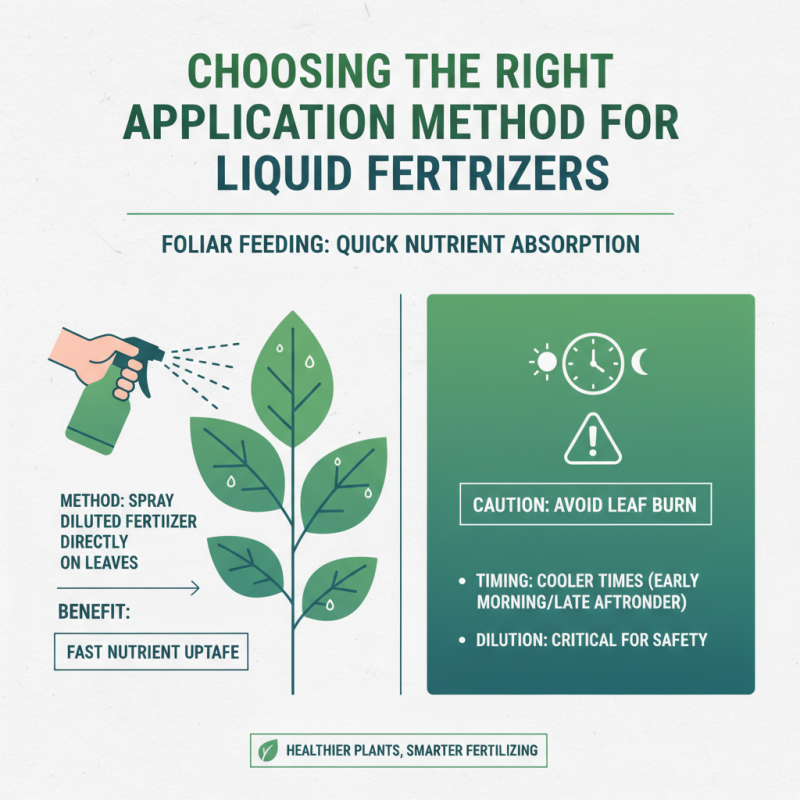
When it comes to applying liquid fertilizers, the method you choose can significantly impact plant health. One common method is foliar feeding, where diluted fertilizer is sprayed directly on the leaves. This technique allows for quick nutrient absorption. However, it requires careful timing and proper dilution to avoid leaf burn. Ensure you apply fertilizers during cooler times of the day, like early morning or late afternoon.
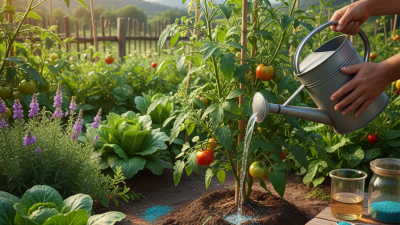
Another method is root drenching, where the fertilizer solution is applied directly to the soil around the roots. This method ensures that nutrients reach the plant roots efficiently. However, over-watering can lead to nutrient leaching or poor root oxygenation. It's crucial to monitor moisture levels and adjust the application frequency based on plant needs.
For both methods, frequency should not be overlooked. Too much fertilizer can lead to nutrient build-up, harming your plants. Consider testing your soil to identify nutrient deficiencies before deciding on a specific application routine. Remember, every plant species may respond differently, so flexibility is key. Experiment and observe, adjusting your approach as needed. The learning process often reveals what works best for your unique garden conditions.
Comparing Popular Brands and Products of Water Soluble Liquid Fertilizers
When selecting water soluble liquid fertilizers, it's essential to compare popular options. Many products on the market vary in nutrient content. Research indicates that plants often thrive with fertilizers rich in nitrogen, phosphorus, and potassium (N-P-K). For instance, a product with a ratio of 20-20-20 may be ideal for leafy greens, while flower plants might require higher phosphorus levels.
Professional growers often analyze the nutrient delivery efficiency of these fertilizers. A study showed that products with quick-release formulations allow for faster absorption, resulting in noticeable plant growth within weeks. However, some users report inconsistent results with specific brands. Adjusting application rates can be crucial but may require experimentation to find the right balance for your plants.
Not all water soluble fertilizers perform equally in various environments. Factors such as pH levels, soil type, and watering methods can influence effectiveness. It's recommended to conduct small tests when switching products. Taking notes can help identify any patterns that lead to better outcomes. Remember, there is no one-size-fits-all solution in gardening; individualized strategies often yield the best results.
Comparison of Nutrient Content in Popular Water Soluble Liquid Fertilizers