How to Choose Water Soluble Fruit Tree Fertilizer for Optimal Growth?
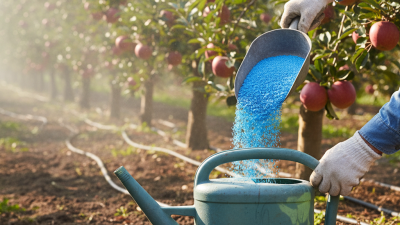
Choosing the right fertilizer is crucial for fruit tree health. Water Soluble Fruit Tree Fertilizer is an effective option. It provides key nutrients that promote growth and productivity. However, many gardeners often overlook some details.
When selecting a fertilizer, consider the specific needs of your trees. Different fruit varieties require varying nutrient ratios. Not all water-soluble fertilizers are the same. Some may lack necessary micronutrients. This oversight can affect your trees' growth in unexpected ways.
Understanding your soil’s current nutrient levels is the first step. A soil test can offer invaluable insight. This way, you can choose a Water Soluble Fruit Tree Fertilizer tailored to your tree’s needs. Balancing phosphorus, potassium, and nitrogen is essential. It's easy to make mistakes if not properly researched. Each tree has unique requirements, and a one-size-fits-all approach might not work. Embracing the complexity of your plants’ needs can lead to better results.
Factors to Consider When Selecting Water Soluble Fertilizer for Trees
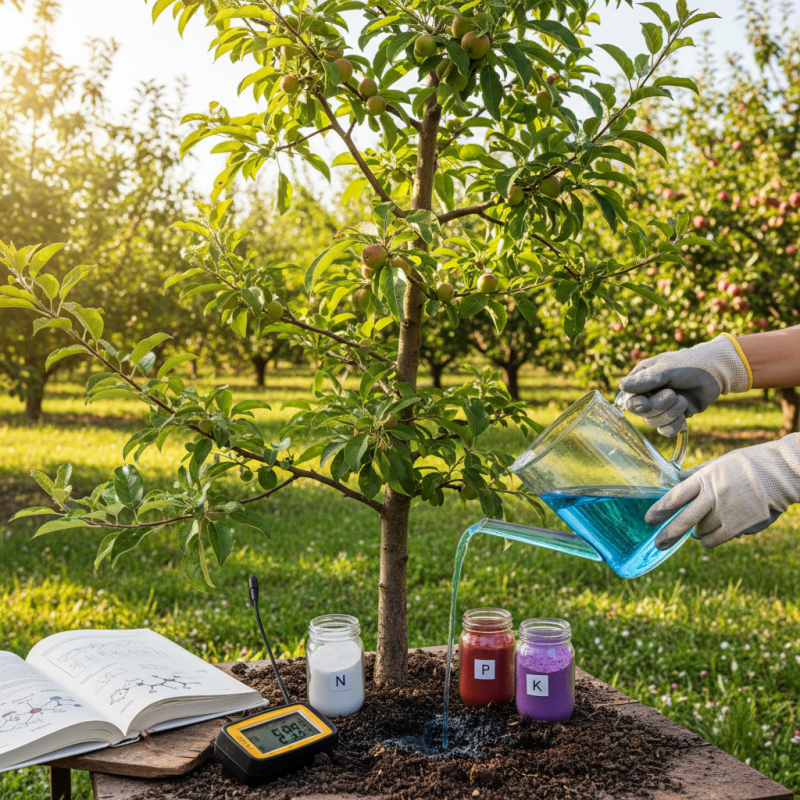
When selecting water-soluble fertilizers for fruit trees, consider the nutrient composition. Look for balanced ratios of nitrogen, phosphorus, and potassium. These are vital for promoting growth and fruit production. Not all trees require the same nutrients. Conduct a soil test to understand what your trees need.
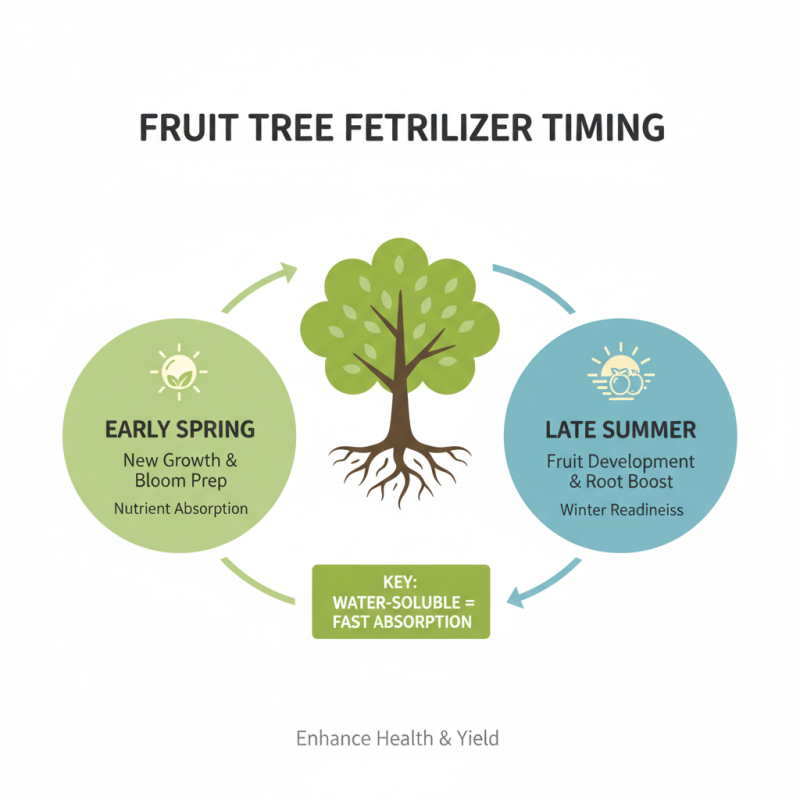
Another factor to think about is the application timing. Fertilizers work best when applied during the active growth phase. This usually occurs in spring and early summer. However, avoid over-fertilizing; too much can harm your trees. Follow instructions carefully, as excess nutrients can lead to poor growth and nutrient burn.
Consider the solubility of the fertilizer. Some products dissolve quickly, while others take time. Quick-release options provide immediate nutrients, while slow-release varieties offer prolonged feeding. Experiment with different types to see what works best. Keep a journal of your trees' responses to help refine your choices. Remember, finding the right fertilizer is often a journey of trial and error.
Understanding NPK Ratios and Their Importance in Plant Growth
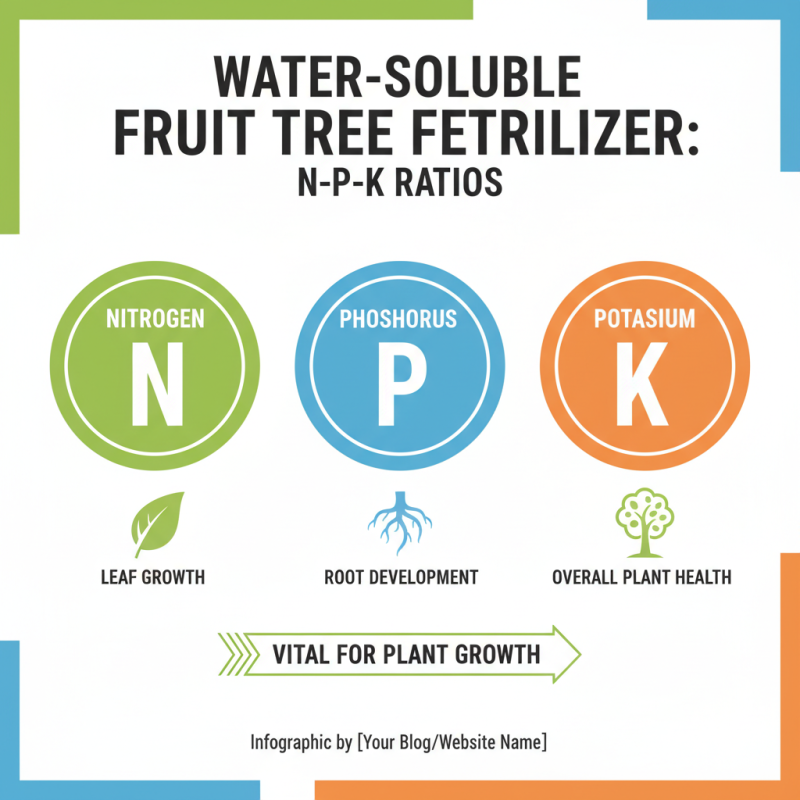
When choosing water soluble fruit tree fertilizer, understanding NPK ratios is vital. NPK stands for nitrogen (N), phosphorus (P), and potassium (K). Each element plays a unique role in plant growth. Nitrogen promotes leaf growth, phosphorus boosts root development, and potassium enhances overall plant health.
A balanced ratio is essential for optimal fruit production. For instance, a 10-10-10 ratio offers equal parts of each nutrient. However, specific needs can vary. Some trees may require higher phosphorus during flowering. Others might need extra potassium for fruit quality. It’s crucial to analyze your soil type and the specific tree’s growth stage.
**Tip:** Always test your soil before applying fertilizer. This helps identify nutrient deficiencies. Moreover, over-fertilization can lead to poor growth or nutrient burn.
Another aspect to consider is the timing of fertilizer application. Early spring is often ideal for most fruit trees. However, late applications might disrupt the natural growth cycle. Adjusting your approach based on tree response can yield better results.
**Tip:** Observe tree growth closely after fertilizing. If there are no signs of improvement, reflect on the nutrient balance and adjust future applications. Small adjustments can lead to significant changes over time.
The Role of Micronutrients in Water Soluble Fertilizers for Fruit Trees
Micronutrients play a crucial role in the health and productivity of fruit trees. These essential elements, like zinc, copper, and manganese, are needed in small amounts. However, their impact is significant. Research indicates that deficiencies in these nutrients can lead to reduced yields. A study by the International Society for Horticultural Science noted that trees lacking micronutrients can show stunted growth or poor fruit quality.
Water-soluble fertilizers provide an efficient way to deliver these crucial micronutrients. They allow for quick absorption by tree roots. For instance, a plant might absorb micronutrients within 24 to 48 hours of application. This rapid uptake helps correct nutrient deficiencies swiftly, promoting better growth and fruit production. An investigation showed that fruit trees treated with balanced micronutrient solutions produced up to 20% more fruit compared to those without.
Yet, not all fertilizers are created equal. Some may contain imbalanced amounts of micronutrients, leading to further deficiencies or toxicities. It’s vital to learn about soil conditions and existing nutrient levels before applying fertilizers. Over-reliance on chemical fertilizers can also harm soil health. A holistic approach, combining proper soil testing and mindful application, can ensure optimal growth and sustainability for fruit trees.
Micronutrient Content in Water Soluble Fruit Tree Fertilizers
Comparative Analysis of Top Water Soluble Fertilizers in the Market
Choosing the right water-soluble fertilizer is crucial for the growth of fruit trees. When analyzing options, consider the nutrient content. Most formulations contain nitrogen, phosphorus, and potassium (N-P-K) ratios tailored for fruits. A balanced fertilizer promotes healthy foliage and fruit development. Specialized blends might have additional micronutrients like magnesium or calcium for specific needs.
Testing different brands can yield varying results. Some fertilizers dissolve quickly, making nutrients readily available. Others might require more time. That's a crucial factor during the growing season. Always think about soil conditions and tree age. Younger trees may need different ratios compared to established ones.
Pay attention to your trees' responses. Not all fertilizers suit every fruit type. Some could lead to over-fertilization, harming growth. Observing any leaf discoloration or stunted growth can signal a problem. Adjusting the fertilizer mix is essential based on these observations. Experimentation helps in finding the optimal choice for your unique gardening situation.
How to Choose Water Soluble Fruit Tree Fertilizer for Optimal Growth? - Comparative Analysis of Top Water Soluble Fertilizers in the Market
| Fertilizer Type |
Nutrient Ratio (N-P-K) |
Solubility |
Application Rate (grams/L) |
pH Level |
Optimal Use Phase |
| Citrus Mix |
10-10-10 |
High |
5-10 |
6.0-6.5 |
Growing Season |
| Tomato Booster |
15-30-15 |
Very High |
10-15 |
6.0-6.8 |
Fruiting Stage |
| Apple Special |
12-12-12 |
Moderate |
8-12 |
5.8-6.5 |
Early Spring |
| Berry Fertilizer |
8-16-16 |
High |
5-10 |
5.5-6.0 |
Pre-Bloom |
| General Fruit Fertilizer |
10-20-20 |
Excellent |
5-8 |
6.0-7.0 |
Throughout Growing |