Water Soluble Magnesium Fertilizer plays a vital role in plant health. It provides essential magnesium, which contributes to chlorophyll production and improves photosynthesis. With the right strategy, gardeners can maximize its benefits.
Applying this fertilizer correctly requires understanding your soil's needs. Every plant has unique requirements. Some may need more magnesium than others. Monitoring plant health can help identify deficiencies early.
Over-fertilizing can lead to problems. Too much magnesium can disrupt the balance of other nutrients. Always test soil quality and adjust applications accordingly. Embracing a trial-and-error approach can foster deeper insights into effective use. This journey of learning can enhance your garden's vitality and productivity.
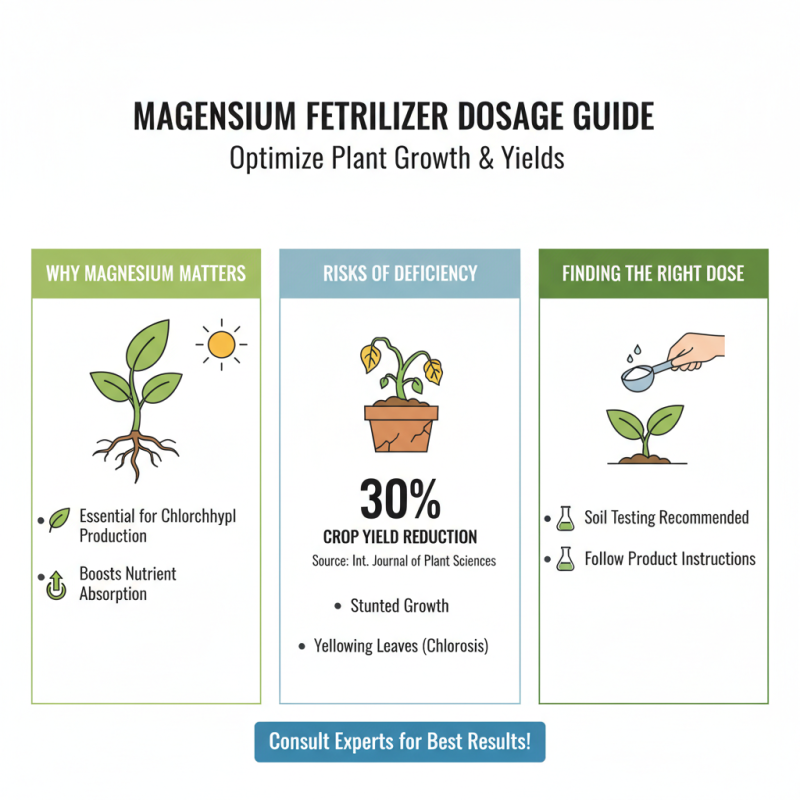
Water soluble magnesium fertilizer plays a crucial role in enhancing plant growth. Magnesium is a vital nutrient that helps in chlorophyll production. A study from the International Journal of Plant Sciences reveals that magnesium deficiency can reduce crop yields by up to 30%. This statistic emphasizes the importance of magnesium in a plant's metabolic processes.
Magnesium enhances photosynthesis, which is essential for plant energy. Plants require magnesium to convert sunlight into energy efficiently. Research shows that plants receiving adequate magnesium can exhibit increased fruit size and improved taste. Results indicate that crops treated with magnesium fertilizers show 20% higher productivity compared to untreated ones.
Despite the benefits, it's essential to avoid over-application. Excess magnesium can lead to nutrient imbalances. Farmers must monitor soil and plant nutrient levels closely. Soil testing is crucial before any fertilizer application. Data suggests that nearly 40% of farmers may not be aware of their soil’s nutrient status. This gap can lead to inefficiencies in managing fertility. Understanding these factors is vital for maximizing the benefits of water-soluble magnesium fertilizers.
Water soluble magnesium fertilizers are vital for plant health. They contain essential magnesium, which aids in chlorophyll production. This chemical element plays a critical role in photosynthesis. Without adequate magnesium, plants may exhibit yellowing leaves and stunted growth. It's essential to understand their composition for effective use.
These fertilizers typically consist of magnesium sulfate or magnesium nitrate. Both forms dissolve easily in water. This allows for quick absorption by plants. When applying them, consider the soil pH. Magnesium availability drops in acidic soils. A soil test may help guide your fertilizer choice.
Tips: Always mix the fertilizer at the correct ratio as recommended. Over-application can lead to nutrient imbalances. Monitor your plants for signs of deficiency or toxicity. Adjust your fertilizer program accordingly. Regularly track your soil moisture levels to prevent over-fertilization, as this can harm your plants.
This chart illustrates the effectiveness of water soluble magnesium fertilizer in enhancing plant growth rate, nutrient absorption, and yield increase. The percentages represent the efficiency gains observed when using this type of fertilizer.
When using water soluble magnesium fertilizer, the application rate varies by crop and soil type. For example, leafy greens like spinach benefit from 25 to 30 kg/ha. In contrast, root vegetables may require only 15 to 20 kg/ha. Studies show that high magnesium levels boost photosynthesis. However, excessive magnesium can cause nutrient imbalances and interfere with calcium uptake.
Soil types play a crucial role in determining the right amount of magnesium. Sandy soils leach nutrients quickly. Thus, they often need higher rates of magnesium. In contrast, clay soils retain nutrients better. Research indicates that clay soils can thrive on 10 to 15% lower doses. This calls for careful monitoring of soil properties to avoid over-fertilization.
Farmers should conduct regular soil tests to find the optimal magnesium level. The recommended magnesium soil test level is between 50 to 70 mg/kg. If the level drops below this, crop yield could decline. Yet, layers of soil can present varied nutrient profiles. Ignoring these differences may lead to underperformance.
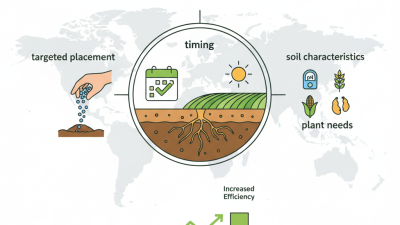
Timing and frequency are critical when using water-soluble magnesium fertilizer. Applying it at the right stages can maximize plant benefits. For most crops, the best time is during their active growth period. This is typically in the spring and early summer, depending on your location. The application during this phase helps enhance photosynthesis and nutrient uptake.
Frequency of application also matters. It’s recommended to apply magnesium fertilizer every four to six weeks. However, do adjust based on soil tests. Some soils might already have adequate magnesium levels. Over-application can lead to environmental issues and plant stress. It’s crucial to observe the plant's response after each application. A visual check for leaf color and growth can indicate if adjustments are needed.
Despite these guidelines, many gardeners struggle with timing. Weather conditions can change, impacting the growth cycle. Sometimes, the fertilizer may not dissolve well in certain conditions, leading to uneven application. Learning to adapt and monitor is key. Keep a close eye on how your plants respond. Reflecting on your practices improves your outcomes.
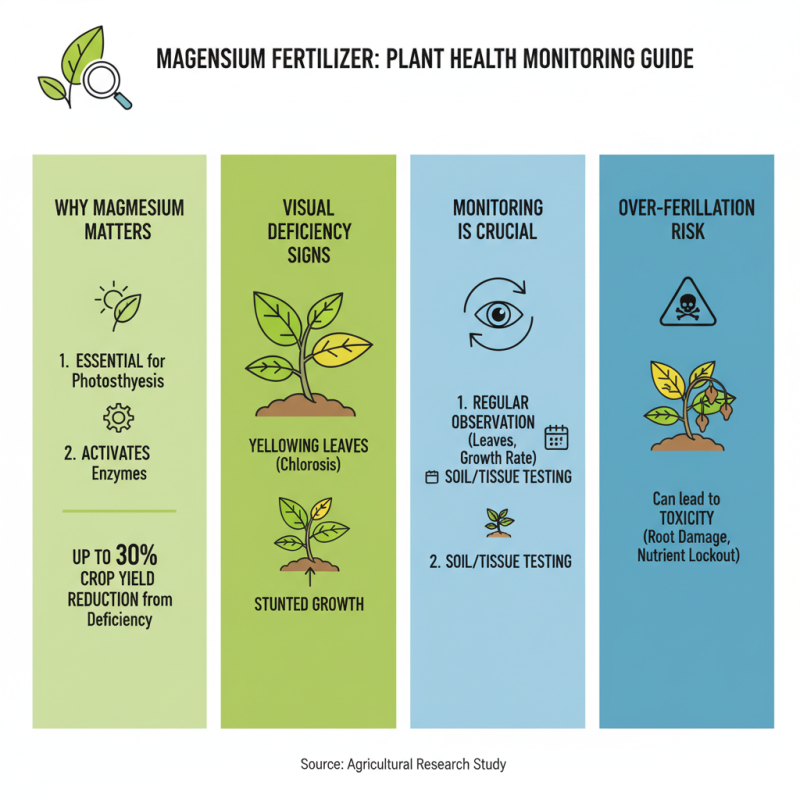
Monitoring plant response is crucial for effective use of water-soluble magnesium fertilizer. Look for signs of magnesium deficiency. Yellowing leaves between veins is a common indicator. Observe growth patterns and flowering. These visual cues help you adjust your fertilization strategy.
Tips: Test your soil regularly. This helps determine magnesium levels. Don’t rely on assumptions alone. Different plants have varying requirements.
Adjusting your fertilization strategy can be challenging. Sometimes, plants may show stunted growth even after treatment. Conduct trials. Reduce or increase the application. Monitor the outcomes closely. This process requires patience and careful observation.
Remember, measuring outcomes isn't always straightforward. Progress can be slow and sometimes disappointing. Keep a journal of your observations. This can help you identify patterns over time. Gardening is a journey, and learning from errors can lead to better results.