10 Essential Tips for Using Water Soluble Fish Fertilizer Effectively
Water Soluble Fish Fertilizer is an organic solution gaining popularity among gardeners and farmers for its high nutrient content and natural benefits. This type of fertilizer, derived from fish by-products, provides a rich source of nitrogen, phosphorus, and potassium, essential for promoting healthy plant growth. The unique properties of water soluble formulations allow for easy application and rapid absorption by plants, making it an ideal choice for those looking to enhance soil fertility and the overall health of their gardens.
Using Water Soluble Fish Fertilizer effectively requires understanding its application methods, timing, and dosage. It is crucial for users to recognize how to optimize this resource to achieve the best results for a variety of plants, whether in a home garden, a commercial farm, or even hydroponic systems. Consequently, this guide outlines ten essential tips to help you harness the full potential of Water Soluble Fish Fertilizer, ensuring your plants flourish and your gardening endeavors are successful. Embrace these strategies, and watch your garden thrive with the nutrients it truly needs.

Understanding Water Soluble Fish Fertilizer and Its Benefits
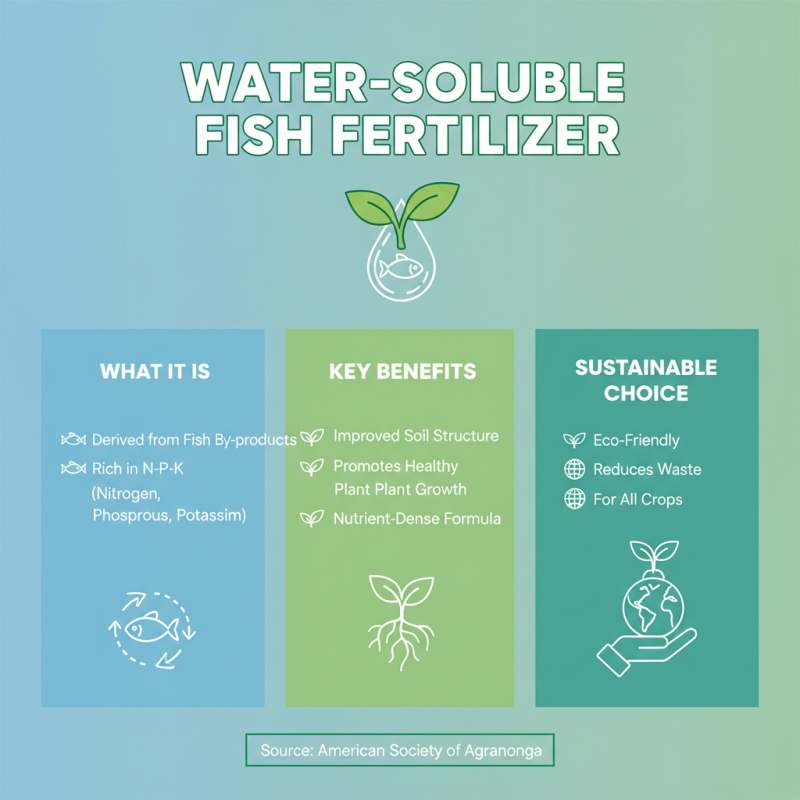
Water soluble fish fertilizer is gaining popularity among gardeners and agricultural professionals due to its numerous benefits. Unlike traditional fertilizers, fish fertilizer is derived from fish by-products and is an excellent source of nitrogen, phosphorus, and potassium. According to the American Society of Agronomy, incorporating fish-based fertilizers can improve soil structure and promote healthy growth in various crops, making it a sustainable choice for environmentally-conscious gardeners.
One of the key advantages of water soluble fish fertilizer is its ability to enhance nutrient absorption. Research from the International Journal of Agricultural Science has shown that plants uptake nutrients more efficiently in liquid form, resulting in faster growth rates and increased yields. Moreover, fish fertilizers are rich in micronutrients and amino acids, which support robust root development and overall plant health.
When using water soluble fish fertilizer, it’s essential to dilute it properly, as concentrated solutions can harm young plants. Additionally, applying fertilizer during the early morning or late afternoon can minimize evaporation and enhance nutrient uptake. Remember, a little goes a long way; starting with a lower concentration can help avoid over-fertilization, ensuring that your plants receive the optimal amount of nutrients without risking harm.
Choosing the Right Ratio for Dilution and Application
Water soluble fish fertilizer is a valuable resource for enhancing plant health and growth. When using it, selecting the right dilution ratio is crucial to ensure that your plants receive the optimal nutrients without the risk of over-fertilization. Typically, a ratio between 1:10 and 1:20 (fertilizer to water) can be effective, depending on the specific needs of the plants and the concentration of the fish fertilizer. Always start with a lower concentration and monitor plant response before increasing the ratio, as different species may have varying sensitivity to nutrients.
Application methods also play a significant role in achieving the desired effects from fish fertilizer. It’s best to apply diluted fertilizer directly to the soil or as a foliar spray during the early morning or late afternoon to prevent leaf burn. Avoid applying on very hot days or when direct sunlight is strong, as this can exacerbate the risk of damage. Regularly assess the health and growth of your plants, adjusting the ratio of dilution as necessary based on their performance and the specific growth stage they are in. Proper dilution and application will foster healthy growth and contribute to a thriving garden.
Water Soluble Fish Fertilizer Application Ratios
Timing Your Applications for Optimal Plant Growth
Timing is crucial when it comes to applying water soluble fish fertilizer to achieve optimal plant growth. The best time to fertilize is during the active growing season, which varies depending on the type of plants you are cultivating. For most flowering plants, application should be scheduled in the spring and early summer when leaves are lush and blooms are starting to develop. Fertilizing during this period provides essential nutrients that support growth, enhance flowering, and increase overall vitality.
In addition to seasonal timing, it's important to consider specific growth phases of your plants. For instance, applying fertilizer during transplanting can help establish roots, while intermediate applications during vigorous growth stages will sustain that momentum. It’s also beneficial to observe local weather patterns; watering your plants before application can improve nutrient absorption and reduce any potential fertilizer burn. Monitoring your plants’ reactions to fertilization can provide insight into their needs, allowing for adjustments in timing and frequency that align with their growth cycles.
Techniques for Even Distribution in Garden Soil
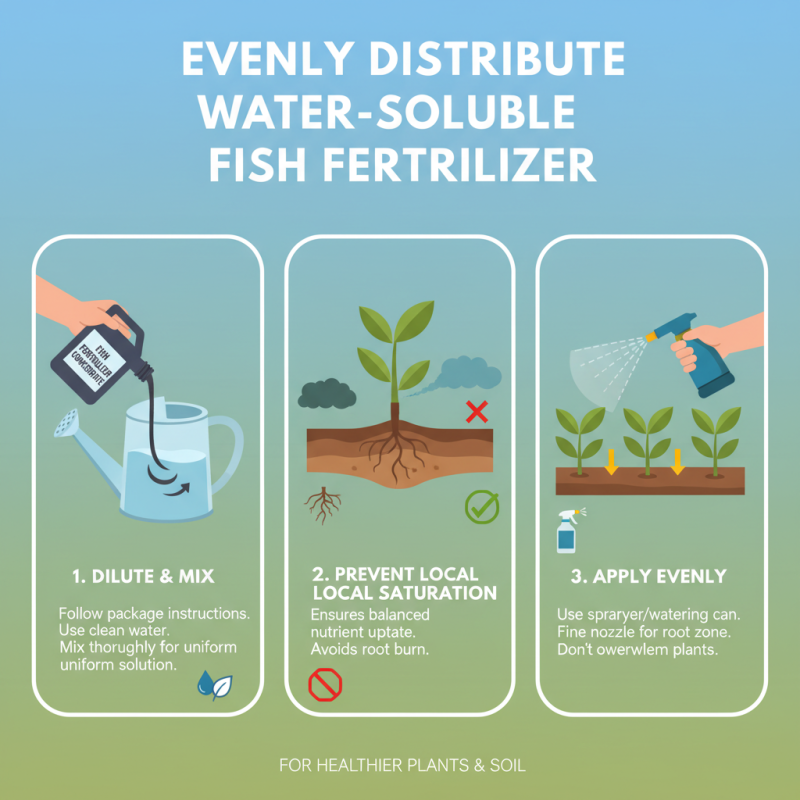
To ensure even distribution of water-soluble fish fertilizer in garden soil, start by properly diluting the fertilizer according to package instructions. Use clean water and mix the concentrate thoroughly to create a uniform solution. This prevents localized saturation of nutrients, allowing your plants to absorb them more efficiently. Once mixed, use a garden sprayer or watering can with a fine nozzle to apply the solution, ensuring that the fertilizer reaches the root zone of the plants without overwhelming them.
Another effective technique for distributing fish fertilizer is to integrate it into your soil preparation process. Before planting, work the diluted fertilizer into the top few inches of soil to provide a nutrient-rich environment conducive to seed germination and root development. Additionally, consider implementing a watering schedule that aligns with your fertilization routine. Regularly watering your garden helps to further disperse the nutrients evenly throughout the soil, minimizing the risk of nutrient hotspots and contributing to a balanced ecosystem for your plants.
Complementing Fish Fertilizer with Additional Nutrients
Complementing fish fertilizer with additional nutrients is crucial for maximizing plant health and productivity. While water-soluble fish fertilizer provides a rich source of nitrogen, phosphorus, and trace minerals, its nutrient profile may not cover all the needs of certain plants, particularly those with high nutrient demands. To achieve a balanced nutrient supply, consider integrating complementary fertilizers that provide essential elements like potassium, calcium, and magnesium. For instance, adding potassium-rich fertilizers can enhance fruit and flower development, ensuring your plants thrive.
Furthermore, incorporating organic matter such as compost or well-rotted manure can significantly boost soil fertility. These amendments improve soil structure and water retention while introducing a variety of nutrients that complement the fish fertilizer's benefits. Regular soil testing can guide the selection and application of these complementary nutrients, helping you tailor your fertilizer regimen to the specific requirements of your plants. By building a comprehensive nutrition strategy, you can effectively harness the benefits of fish fertilizer while ensuring your garden flourishes with optimal health.
10 Essential Tips for Using Water Soluble Fish Fertilizer Effectively - Complementing Fish Fertilizer with Additional Nutrients
| Tip Number |
Tip Description |
Complementary Nutrients |
Recommended Usage Frequency |
| 1 |
Dilute the fertilizer before application. |
Calcium, Magnesium |
Every 2 weeks |
| 2 |
Apply during the early morning or late afternoon. |
Iron, Micronutrients |
Every 3 weeks |
| 3 |
Mix with compost for enhanced results. |
Nitrogen, Phosphorus |
Once a month |
| 4 |
Monitor plant response to adjust dosage. |
Potassium, Sulfur |
As needed |
| 5 |
Use in conjunction with soil tests. |
Zinc, Manganese |
Every 6 weeks |
| 6 |
Consider seasonal plant needs. |
Boron, Copper |
As seasons change |
| 7 |
Avoid over-fertilization to prevent root burn. |
None |
Every 4 weeks |
| 8 |
Store in a cool, dry place to maintain efficacy. |
None |
N/A |
| 9 |
Use in conjunction with foliar sprays. |
Trace Elements |
Every 2 weeks |
| 10 |
Be attentive to specific plant requirements. |
Various |
Regularly |