What is Potassium Nitrate Fertilizer Benefits and Uses?
Potassium Nitrate Fertilizer is widely recognized for its significant benefits in agriculture. Farmers and gardeners frequently choose this fertilizer for its unique composition. As a source of both potassium and nitrogen, it supports plant growth effectively. The dual nutrient profile is crucial for enhancing crop yield and quality.
Using Potassium Nitrate Fertilizer can lead to improved flowering and fruiting in plants. It helps strengthen plant structures, making them more resistant to diseases. However, there are challenges. Overuse can lead to nutrient imbalance, which can harm plants. It's vital to apply the right amounts based on soil tests.
Many rely on the advice of experts for proper application methods. Soil health can vary, affecting fertilizer efficacy. Therefore, ongoing evaluation is essential. Understanding the specific needs of your crops ensures the best results. Without careful consideration, even the best fertilizers can underperform. This balance of knowledge and practice fosters a successful growing environment.
Introduction to Potassium Nitrate Fertilizer
Potassium nitrate fertilizer plays a crucial role in modern agriculture. This compound supplies essential nutrients, especially potassium and nitrogen, vital for plant growth. Studies indicate that potassium-deficient crops can experience up to 30% reduced yields. Proper use of potassium nitrate can enhance crop quality and increase harvests.
Farmers benefit from potassium nitrate due to its solubility and quick absorption by plants. It promotes strong root development and enhances disease resistance. Research shows that adding potassium nitrate can improve fruit color, size, and flavor. For example, tomatoes treated with potassium nitrate exhibit a 15% increase in marketable yield compared to those without it.
While potassium nitrate has many advantages, improper use can lead to excessive nutrient runoff, impacting water quality. Farmers must be cautious in their application rates. Balancing soil chemistry is vital for sustainable farming. A soil test can guide proper usage, ensuring plants receive what they need without leaching nutrients into waterways. Insights from agricultural reports highlight these considerations for effective potassium nitrate application.
Nutritional Composition of Potassium Nitrate
Potassium nitrate (KNO3) is a highly effective fertilizer. It is valued for its rich nutritional profile, providing essential nutrients for plant growth. The composition includes about 44% potassium and 13% nitrogen. These nutrients play a crucial role in plant development. Potassium enhances water retention, while nitrogen boosts foliage growth. Research shows that potassium can increase yields by 10-15% in certain crops.
When applying potassium nitrate, follow the recommended rates. It is often used for tomatoes, peppers, and leafy vegetables. Application rates can vary based on crop type and soil conditions. A common suggestion is to use between 100-200 kg per hectare for optimal results. Overuse can lead to nutrient imbalances, which could inhibit plant growth.
**Tip:** Always conduct a soil test before applying fertilizers. This helps determine the exact nutrient requirements of your crops. Adjusting your fertilizer application based on soil tests can enhance efficiency.
Potassium nitrate is also known for its quick absorption by plants. This allows for rapid nutrient uptake during critical growth stages. However, using it excessively can lead to environmental concerns, notably nitrate leaching into groundwater. Monitoring your usage is key to sustainable practice. Regular assessments of crop performance and soil health help ensure balanced fertilization.
Benefits of Using Potassium Nitrate in Agriculture
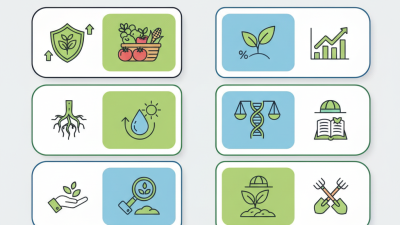
Potassium nitrate is a valuable fertilizer widely used in agriculture. Its benefits directly impact plant health and yield. This compound provides essential potassium and nitrogen. These nutrients are critical for plant growth, cellular function, and overall vigor. Farmers often find that crops treated with potassium nitrate show improved photosynthesis. This results in greener leaves and better fruit development.
Using potassium nitrate can enhance soil health, too. It promotes deeper root systems, allowing plants to access more nutrients. Additionally, it can reduce the risk of certain diseases. This occurs because plants with adequate nutrition are stronger against stress factors. Some farmers have noticed inconsistent results when soil conditions vary. This inconsistency is a point for reflection. Knowledge about soil composition can improve potassium nitrate's effectiveness.
Another aspect to consider is the timing of application. Early growth stages can benefit most from potassium nitrate. However, improper timing can lead to nutrient run-off, affecting surrounding ecosystems. Farmers must carefully manage their applications. Attention to detail in nutrient management can yield better outcomes in crop production. Understanding these dynamics can lead to more sustainable agricultural practices.
Applications of Potassium Nitrate in Different Crops
Potassium nitrate (KNO3) is a crucial fertilizer known for its dual-role as a source of potassium and nitrogen. Different crops benefit uniquely from this chemical. In fruit production, such as tomatoes and strawberries, potassium nitrate enhances fruit size and improves flavor. Research indicates that potassium levels can increase fruit yield by 15-30%, depending on the crop and growing conditions.
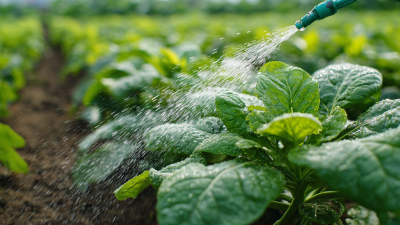
In vegetable farming, potassium nitrate plays a significant role. It promotes robust leaf development and improves disease resistance. For instance, studies show that using KNO3 can boost lettuce quality, leading to a 20% increase in fresh weight. This has significant economic implications for market sales and crop viability. However, farmers must consider soil conditions and weather patterns when applying this fertilizer. Excessive use may lead to nutrient imbalances or environmental issues.
In areas like tobacco and sugar beets, potassium nitrate also supports growth and enhances sugar accumulation. It’s reported that proper application in these crops can lead to a yield increase of up to 25%. Yet, relying solely on potassium nitrate can sometimes neglect other nutrient needs. Balancing all nutrients ensures optimal plant health.
What is Potassium Nitrate Fertilizer Benefits and Uses? - Applications of Potassium Nitrate in Different Crops
| Crop Type |
Benefit |
Application Rate (kg/hectare) |
| Tomato |
Enhances fruit quality and yield |
150-200 |
| Potato |
Improves tuber size and promotes early maturity |
200-250 |
| Bell Pepper |
Increases fruit set and development |
100-150 |
| Grapes |
Enhances flavor and sugar content |
200-300 |
| Cabbage |
Promotes leaf growth and weight gain |
120-180 |
Best Practices for Applying Potassium Nitrate Fertilizer
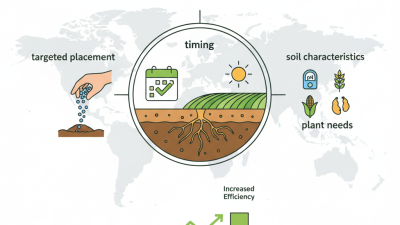
Applying potassium nitrate fertilizer requires attention to detail. To maximize its benefits, proper timing is crucial. It should be applied during the growing season. This is usually when plants are actively absorbing nutrients. Applying it too early or late can lead to nutrient loss.
When applying potassium nitrate, keep an eye on the soil moisture. It works best in well-drained soil. The moisture helps the nutrients move into the root zone. Adjust your application rates based on soil tests. Over-application can lead to toxicity and environmental issues.
Consider using a method like banding. This places the fertilizer close to the roots. It minimizes waste and enhances uptake. Observing plants for signs of nutrient deficiency can guide your application. If growth seems stunted, a small increase might help. However, avoid frequent changes to your routine without proper testing.
Balancing efficiency and safety is essential.