2025 Guide: How to Use Potassium Nitrate Granule for Optimal Plant Growth
In the world of agriculture and horticulture, the quest for optimal plant growth is paramount for both amateur gardeners and professional farmers alike. One of the most effective tools in achieving this goal is the use of Potassium Nitrate Granule. This versatile fertilizer not only supplies essential nutrients to plants but also enhances their overall health and productivity. As we delve into this guide for 2025, we will explore the importance of understanding how Potassium Nitrate Granule can be effectively utilized to maximize the growth potential of various plant species.
Potassium Nitrate Granule serves a critical role in plant nutrition, providing two key components: potassium and nitrogen. These elements are vital for numerous physiological processes, including enzyme activation, photosynthesis, and water regulation within plants. By integrating Potassium Nitrate Granule into your fertilization strategy, you can stimulate root development, improve fruit quality, and promote robust flowering. This guide aims to equip you with the knowledge needed to apply Potassium Nitrate Granule effectively, ensuring that your plants thrive throughout their growth cycles.
Understanding Potassium Nitrate: Chemical Composition and Benefits for Plants
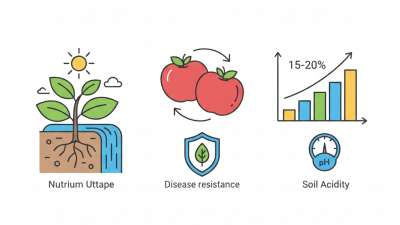
Potassium Nitrate (KNO3) is a crucial compound in the world of agriculture, playing a significant role in enhancing plant growth. Its chemical composition consists of both potassium and nitrate, which are essential nutrients for plants. Potassium aids in various physiological processes, including photosynthesis, water regulation, and enzyme activation. It has been shown that the presence of potassium increases the resistance of plants to diseases and drought conditions, thereby promoting a healthier, more robust growth cycle. According to a report from the International Fertilizer Association, potassium can improve crop yield by an average of 20% when applied correctly.
The nitrate component in potassium nitrate serves as a vital nitrogen source that supports protein synthesis and promotes the growth of leaves and stems. Nitrogen is fundamental for chlorophyll production, which is essential for photosynthesis. A study published by the American Society of Agronomy indicates that utilizing potassium nitrate can enhance nitrogen use efficiency by up to 30%, leading to improved growth rates and higher overall productivity. By balancing potassium and nitrogen, farmers and gardeners can optimize their fertilization practices, ensuring that plants receive the nutrients they need for healthy development while minimizing environmental impact. Proper application of potassium nitrate can result in flourishing gardens and increased agricultural output, making it an invaluable tool for modern horticulture and farming practices.
2025 Guide: How to Use Potassium Nitrate Granule for Optimal Plant Growth
| Nutrient Component |
Amount per 100g |
Benefits for Plants |
| Nitrogen (N) |
13.7 g |
Essential for growth, promotes leafy foliage. |
| Potassium (K) |
46.6 g |
Enhances drought resistance, improves fruit quality. |
| Solubility |
Highly soluble in water |
Easily absorbed by plants, quick nutrient availability. |
| Application Rate |
50-150 kg/ha |
Depends on crop type and soil condition. |
| pH Level |
Neutral to slightly alkaline |
Optimal for most crops, can affect nutrient uptake. |
Selecting the Right Granule Size for Optimal Nutrient Release
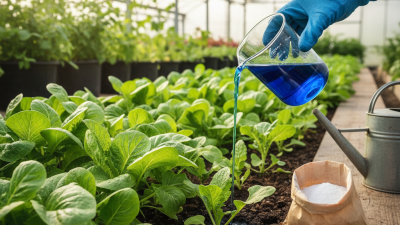
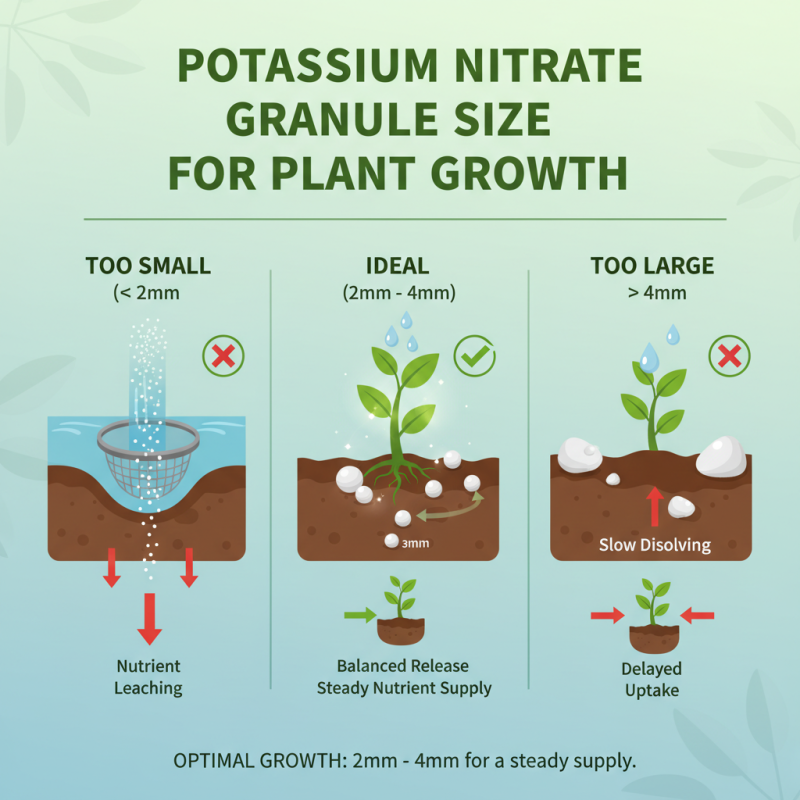
When using potassium nitrate granules for enhancing plant growth, selecting the right granule size is crucial for optimal nutrient release. Granules that are too small can lead to rapid dissolving and nutrient leaching, whereas larger granules may not dissolve quickly enough for immediate plant uptake. The ideal size typically ranges between 2mm to 4mm, as this allows for a balanced release of nutrients over time, ensuring that plants receive a steady supply.
Tips for applying potassium nitrate granules effectively include testing the soil to determine nutrient needs and adjusting the granule size based on your soil type. For sandy soils, smaller granules may be more beneficial, as they dissolve quickly in the loose texture, while clay soils may require larger granules to gradually release nutrients without overwhelming the plants.
It's also essential to consider the timing of application. Spreading potassium nitrate granules during the active growing season maximizes their effectiveness, as plants are more likely to absorb nutrients when they are actively photosynthesizing. Always ensure that the granules are evenly distributed to provide uniform nutrient coverage, promoting healthy growth and development across all plants.
Best Practices for Applying Potassium Nitrate Granules in Different Soil Types
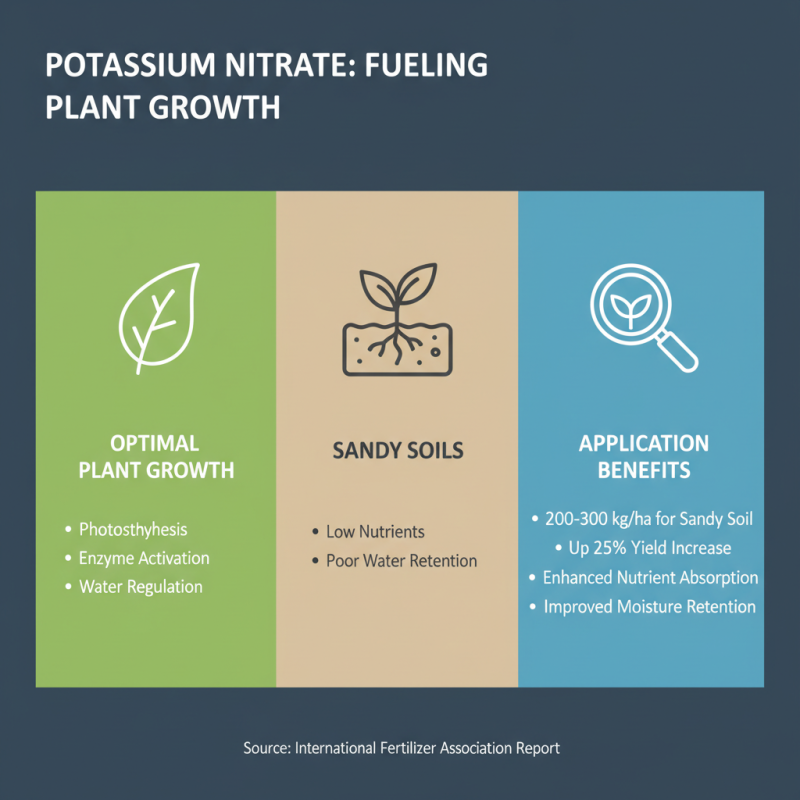
Potassium nitrate granules are essential for promoting optimal plant growth, particularly when tailored to specific soil types. According to a report by the International Fertilizer Association, potassium is crucial for many physiological processes in plants, including photosynthesis, enzyme activation, and water regulation. When applying potassium nitrate to sandy soils, which are often low in nutrients and water-retentive capacity, it is recommended to use a higher concentration to ensure sufficient nutrient availability. Research indicates that applying potassium nitrate at a rate of 200-300 kg per hectare can improve crop yield by up to 25% in these environments, due to enhanced nutrient absorption and better moisture retention.
In contrast, clay soils, known for their high nutrient-holding capacity but poor drainage, require a different approach. Soil compaction can hinder root development, making it essential to integrate potassium nitrate granules with organic matter to boost soil structure and aeration. Studies have shown that when potassium nitrate is applied in conjunction with organic compost, the effective nutrient release can increase by 30%, leading to healthier root systems and increased crop resilience against stress. This tailored application ensures that the specific needs of various crops are met, resulting in improved growth rates and higher yields. Adjusting the granule application based on soil type is crucial for maximizing the benefits of potassium nitrate and achieving optimal results in agricultural practices.
Timing Your Applications: When to Use Potassium Nitrate for Maximum Growth
When it comes to enhancing plant growth with potassium nitrate granules, timing your applications plays a crucial role in maximizing effectiveness. According to the American Society of Horticultural Science, the optimal window for nitrogen fertilization, including potassium nitrate, occurs during the active growing season of plants, which is typically in spring and early summer. Applying potassium nitrate during this period ensures that plants receive the essential nutrients they need when they are most capable of absorbing them, thereby promoting vigorous growth and higher yields.
Research published in the Journal of Plant Nutrition indicates that the strategic application of potassium nitrate can lead to increased nutrient uptake and improved plant health. Specifically, studies have shown that applying potassium nitrate shortly before or during critical growth stages—such as flowering or fruiting—can enhance the size and quality of the harvest. It is recommended to apply potassium nitrate granules at intervals of 4 to 6 weeks, as this aligns with the plant’s nutrient demands, particularly for high-yield crops like tomatoes and peppers, which have been shown to respond positively to regulated nitrogen inputs.
2025 Guide: How to Use Potassium Nitrate Granule for Optimal Plant Growth
This chart illustrates the optimal timing for potassium nitrate application throughout the growing season for maximum plant growth. The data represents the suggested application rates at various growth stages.
Monitoring Plant Response: Signs of Nutrient Deficiency and Adjustment Tips
Monitoring plant response is essential when using potassium nitrate granules to ensure optimal plant growth. One of the first signs of nutrient deficiency is yellowing leaves, often indicating a lack of nitrogen. This can manifest as a general yellowing or as a specific yellowing of the older leaves first. If you notice this, consider adjusting the potassium nitrate application, as it provides both potassium and nitrogen, crucial for healthy foliage development.
Another critical sign to monitor is stunted growth, which may suggest insufficient potassium levels in the soil. Potassium is vital for various physiological processes in plants, including photosynthesis and water regulation. If you observe that your plants are not thriving or are developing small, underdeveloped leaves, it may be time to reassess your fertilization regimen.
Increasing potassium nitrate can help address this deficiency, promoting more vigorous growth and improving overall plant health. Additionally, monitor for signs of leaf burn, which can indicate over-fertilization; if this occurs, consider reducing the amount or frequency of application to restore balance.