Is Potassium Nitrate Mouthwash the Best Option for Oral Care?
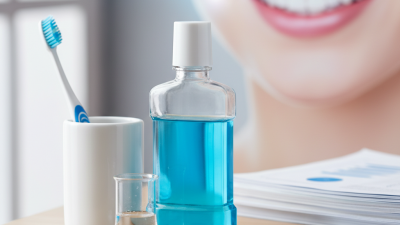
In recent years, the use of Potassium Nitrate Mouthwash has gained attention in oral care. This mouthwash contains potassium nitrate, a compound known for its desensitizing properties. Dental professionals often recommend it for individuals suffering from tooth sensitivity. However, is it the best option for everyone?
Exploring the effectiveness of Potassium Nitrate Mouthwash can provide insights into its benefits and drawbacks. Some users report relief from discomfort after using this product. Yet, not everyone experiences the same level of benefit. Individual responses can vary significantly, raising questions about its universal applicability.
While Potassium Nitrate Mouthwash claims to support oral health, long-term effects remain less understood. Some may wonder if it addresses underlying issues causing sensitivity. As we delve deeper into this topic, evaluating both scientific evidence and anecdotal experiences will help shape a clearer picture of its role in oral care.
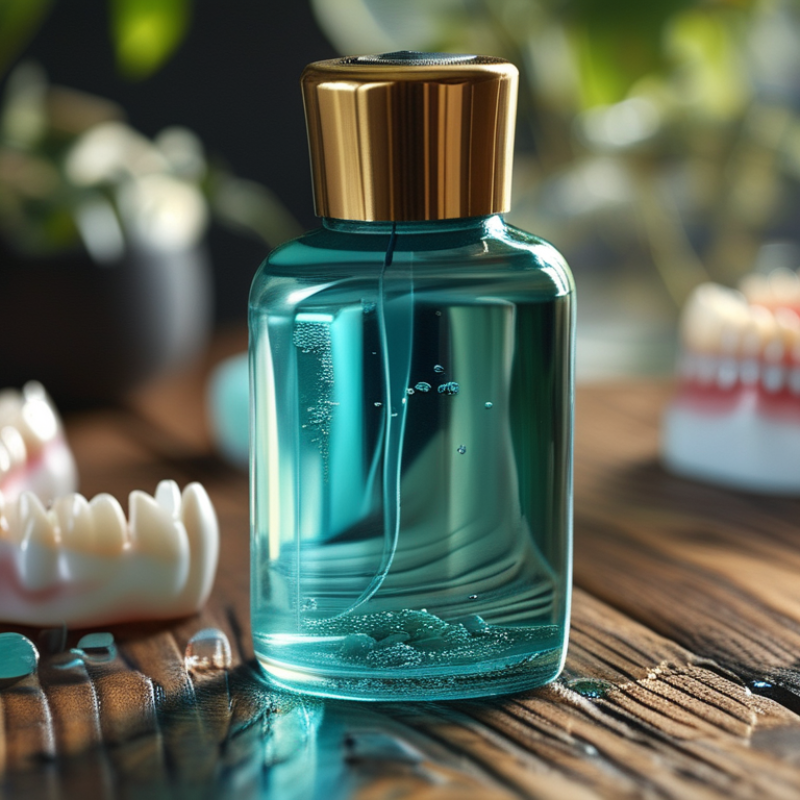
Overview of Potassium Nitrate and Its Uses in Oral Care
Potassium nitrate has garnered attention in oral care. Its primary role is in treating dentin hypersensitivity. Research indicates that about 30% of adults experience this issue. Potassium nitrate works by blocking the transmission of nerve impulses in the teeth. This mechanism helps reduce pain during activities like eating or drinking hot and cold foods.
In addition to sensitivity, potassium nitrate can help maintain gum health. Studies reveal that its anti-inflammatory properties contribute to healthier gums. Maintaining gum health is vital. The American Dental Association notes that gum disease affects nearly 50% of adults. Regular use of potassium nitrate mouthwash might play a significant role in preventing such conditions.
However, there are considerations to keep in mind. Some users may find potassium nitrate mouthwash less effective than traditional fluoride options. A study from the Journal of Dentistry highlights that while potassium nitrate helps with sensitivity, fluoride has superior protective qualities against cavities. Finding the right balance in oral care products remains a challenge for many individuals. The effectiveness varies from person to person.
Is Potassium Nitrate Mouthwash the Best Option for Oral Care?
| Aspect |
Details |
| Primary Use |
Reduce tooth sensitivity |
| Mechanism of Action |
Blocks nerve signals in teeth |
| Benefits in Oral Care |
Provides relief from sensitivity, can improve overall oral hygiene |
| Common Forms |
Mouthwash, toothpaste, and gels |
| Considerations |
Consult a dentist if you have allergies or concerns |
| Potential Side Effects |
Mouth irritation, allergic reactions in rare cases |
| User Demographics |
Recommended for individuals with sensitive teeth |
Mechanism of Action: How Potassium Nitrate Works in Mouthwash
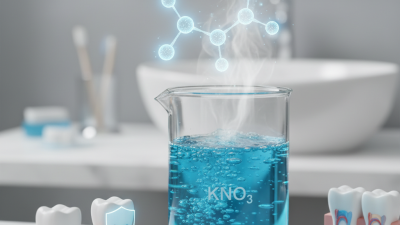
Potassium nitrate is gaining popularity as an ingredient in mouthwash. Its mechanism of action affects oral health by targeting pain and sensitivity. This compound works by blocking nerve signals in the teeth and gums. When used regularly, it can help reduce discomfort for individuals with dental sensitivity.
Unlike some common mouthwash ingredients, potassium nitrate offers a gentler approach. It does not contain alcohol, which can dry out the mouth. Instead, it provides a soothing effect. This is particularly beneficial for those who experience pain when consuming hot or cold foods. While the benefits are promising, it’s essential to consult a dental professional. Everyone’s oral health needs are different.
Though effective, potassium nitrate may not be suitable for everyone. Some people might experience mild side effects, such as slight irritation. Regular use should be monitored to ensure it suits individual needs. This highlights the importance of personalizing oral care. Always prioritize effective communication with your healthcare provider to find the best options for you.
Benefits of Potassium Nitrate Mouthwash for Dental Health
Potassium nitrate mouthwash is gaining attention for its potential benefits in oral care. This ingredient is known for its soothing properties, targeting sensitive teeth. It works by blocking nerve transmission in the dental tubules, reducing discomfort. Many users report a noticeable decrease in tooth sensitivity, especially after consuming hot or cold foods.
The mouthwash also has antibacterial effects. This helps in maintaining a healthier oral environment. When used regularly, it can limit the growth of harmful bacteria, which often lead to issues like gum disease. Improved oral hygiene can result in fresher breath and a brighter smile. However, not all individuals may experience the same results. Some might find the taste unappealing or experience mild irritation.
While potassium nitrate can be beneficial, the effectiveness may vary. Dental professionals stress the importance of consulting with an expert before adding it to your routine. Personalized advice is crucial, as everyone's dental needs differ. Additionally, it's essential to maintain a holistic approach to oral care that includes brushing and flossing.
Potential Side Effects and Considerations of Using Potassium Nitrate
Potassium nitrate mouthwash has gained attention for its potential benefits in oral care. It primarily helps in reducing tooth sensitivity by blocking nerve signals. Some studies suggest that potassium nitrate can significantly alleviate discomfort. However, potential side effects deserve consideration.
Using potassium nitrate may cause some individuals to experience oral irritation. This could manifest as a burning sensation or mild tissue inflammation. Long-term use raises questions about the safety of this compound. Experts recommend monitoring any allergic reactions, although serious cases are rare. It's advisable to consult dental professionals before starting any new oral care regimen.
**Tips:** Always test a small amount first. If irritation occurs, discontinue use. Regular dental check-ups can help ensure your oral health remains in good shape. Remember that personal experiences vary. What works for some may not work for all. Be mindful and stay informed when it comes to your oral care choices.
Comparison with Other Popular Mouthwash Ingredients for Oral Hygiene
When examining mouthwash options for oral hygiene, potassium nitrate shows promise. This ingredient is primarily known for its ability to alleviate tooth sensitivity. Many users report relief after regular use. However, some may find the taste unappealing, which could hinder consistent use.
Other popular mouthwash ingredients include fluoride, which is effective in preventing cavities. It strengthens enamel and decreases decay. Essential oils, like those found in some natural products, can also reduce bacteria levels in the mouth. These ingredients have their own advantages. Yet, they may not suit everyone’s preferences or needs.
Choosing the right mouthwash is often a personal decision. Some users prefer the soothing effects of potassium nitrate, while others value the cavity-fighting properties of fluoride. The effectiveness of mouthwash varies from person to person. It’s essential to consider your unique needs and consult with a dental professional for guidance. Balancing benefits and potential downsides can lead to a better oral care routine.
Comparison of Various Mouthwash Ingredients for Oral Hygiene