What is Potassium Nitrate Powder and How is it Used?
Potassium Nitrate Powder plays a crucial role in various industries. According to the International Fertilizer Association, over 50% of all potassium nitrate is used in agriculture. This compound helps enhance plant growth and yields due to its high nitrogen content.
The fine powder is also significant in food preservation and pyrotechnics. Its properties make it an effective preservative in cured meats. Additionally, the Global Industry Analysts report shows an increasing demand for potassium nitrate in these sectors, projecting a steady growth rate of about 4.5% annually.
Despite its benefits, there are challenges. The environmental impact of overuse in agriculture raises concerns. Sustainable practices must be considered to mitigate potential soil and water issues. Awareness of these factors is vital for industries relying on Potassium Nitrate Powder.
What is Potassium Nitrate Powder?
Potassium nitrate powder, also known as saltpeter, is a chemical compound with the formula KNO3. This white crystalline substance is highly soluble in water. It is critical in agriculture as a fertilizer, providing essential nitrate and potassium. Nitrate is a key nutrient for plants, promoting healthy growth and increasing crop yields.
According to the International Fertilizer Association, around 25 million tons of potassium nitrate are produced annually. This figure highlights the compound's significance in the agricultural sector. Farmers appreciate its quick absorption and effectiveness in boosting plant development. However, improper use can lead to nutrient runoff and environmental concerns. Therefore, farmers must apply this compound responsibly.
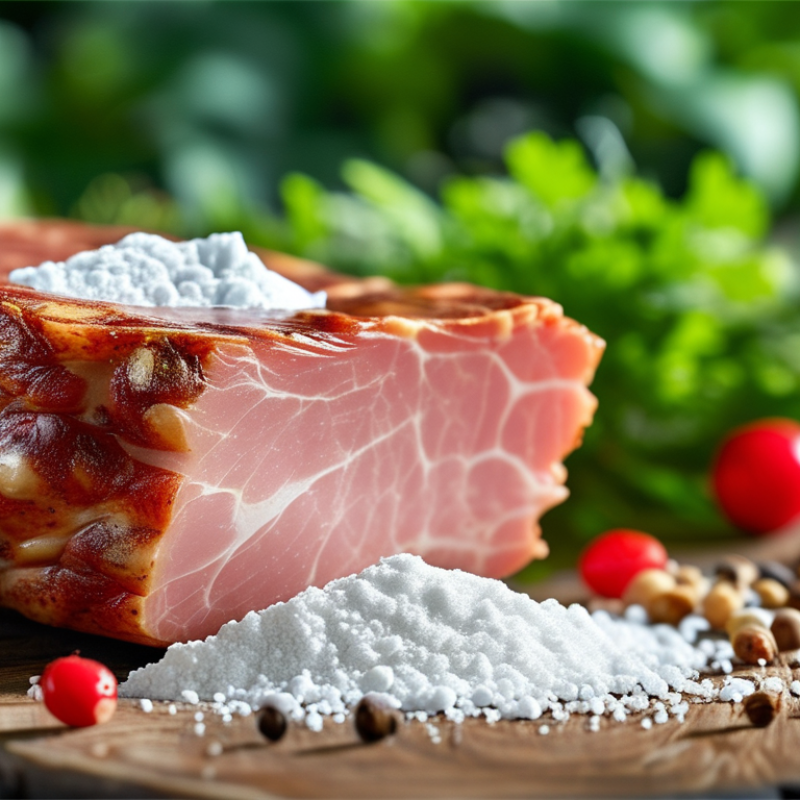
Beyond agriculture, potassium nitrate is utilized in the food industry as a preservative. It helps inhibit microbial growth in cured meats. While it provides benefits, excessive consumption can have health implications. Some studies suggest it may be linked to potential health risks, sparking a debate among nutrition experts and food safety authorities. Proper knowledge about potassium nitrate powder is essential for safe handling and application in various industries.
Potassium Nitrate Powder Usage in Various Industries
Chemical Composition and Properties of Potassium Nitrate
Potassium nitrate, known chemically as KNO₃, is a white crystalline compound. It is highly soluble in water, making it essential for various applications. The combination of potassium and nitrogen contributes to its unique properties. In agricultural uses, potassium nitrate provides crucial nutrients for plant growth. The potassium supports fruit quality, while nitrogen fosters strong foliage.
A study by the International Fertilizer Association shows that potassium nitrate accounts for about 10% of the global nitrogen fertilizers market. This substantial presence highlights its importance in sustainable agriculture practices. Beyond agriculture, potassium nitrate finds applications in food preservation and as a heat-transfer agent in cooling systems. Its ability to absorb and release heat under specific conditions is noteworthy yet often overlooked.
However, potassium nitrate isn’t without its challenges. Environmental concerns have emerged regarding its leaching potential, which can contribute to water pollution. Balancing agricultural needs with environmental stewardship requires more research. The industry's shifting practices highlight the need for ongoing developments in sustainable usage. Understanding potassium nitrate's properties can better guide these improvements while addressing its environmental footprint.
Common Uses of Potassium Nitrate in Agriculture
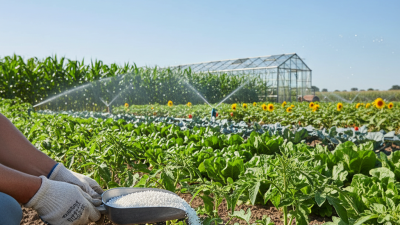
Potassium nitrate, often referred to as saltpeter, is widely used in agriculture. It serves as an essential source of nitrogen and potassium for crops. This dual-functionality makes it valuable in enhancing soil fertility. Nitrogen promotes vigorous plant growth, while potassium enhances drought resistance and overall fruit quality.
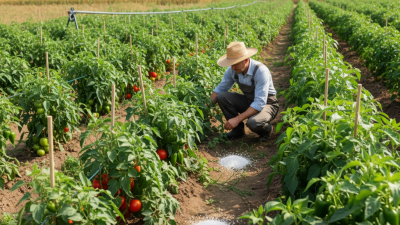
According to industry reports, potassium nitrate is particularly effective for high-value crops. Studies demonstrate that using potassium nitrate can increase crop yields by up to 15%. In 2022, around 40% of potassium nitrate production was utilized in agriculture. Farmers appreciate its rapid solubility in water, making it easy to apply. This quick absorption helps crops respond swiftly to nutrient needs.
Despite its benefits, there are considerations. Over-application can lead to nutrient leaching into waterways. This can harm aquatic ecosystems. Farmers must balance their use to avoid negative environmental impacts. As with any fertilizer, understanding soil conditions is crucial. Regular soil testing can inform the proper application rates for potassium nitrate. This approach ensures optimal growth while protecting the environment.
Industrial Applications of Potassium Nitrate Powder
Potassium nitrate powder, known for its diverse applications in various industries, plays a crucial role in many processes. In agriculture, it serves as an effective fertilizer, supporting plant growth by providing essential nutrients. Farmers appreciate its high solubility, allowing for easy application. However, it is important to apply the right amount, as overuse could lead to soil degradation.
In the food industry, potassium nitrate is used in curing meats. It helps preserve flavor and color while preventing bacterial growth. This use demands strict adherence to safety standards, as incorrect quantities can be harmful. The balance between preservation and safety is critical in food processing.
Moreover, potassium nitrate is a key component in certain pyrotechnics. It acts as an oxidizer, enhancing combustion in fireworks. While this application showcases its utility, it raises safety concerns. Proper handling and storage are essential to avoid accidents. Industries must prioritize safety measures to mitigate risks.
Overall, potassium nitrate powder is versatile but requires careful consideration in its applications. Understanding its properties can help maximize benefits while minimizing potential downsides.
Safety Measures and Handling of Potassium Nitrate
Potassium nitrate powder is a versatile compound used in various applications. However, proper safety measures are crucial when handling it. Always wear protective gear, including gloves and goggles. This ensures minimal exposure, especially during transfers or mixing.
Tips to consider: Always store potassium nitrate in a cool, dry place. Ensure the container is tightly sealed. Be aware of the potential for creating harmful reactions if mixed with certain substances. Ventilation is key. Work in a well-ventilated area to prevent inhalation of fine particles.
While potassium nitrate is generally safe, mishandling can lead to accidents. Read all safety data sheets before use. This will help you understand the risks and necessary precautions. Keep it away from heat sources and open flames. Awareness is your best defense against potential hazards.