2026 Top Trends in Water Soluble Granular Fertilizer for Optimal Growth?
Water Soluble Granular Fertilizer (WSGF) has gained significant traction in the agricultural sector. According to market research by AIM Research, the global market for water soluble fertilizers is projected to reach $10.21 billion by 2025, growing at a CAGR of 6.5%. This growth is driven by the increasing demand for efficient nutrient supply systems, particularly for high-value crops.
The effectiveness of WSGF stands out due to its rapid nutrient release and excellent solubility. Studies show that these fertilizers can enhance nutrient absorption by up to 30%. They cater to various crops, from fruits and vegetables to ornamental plants, making them versatile for growers. However, effective use requires an understanding of application rates.
Despite their advantages, some challenges remain. Misapplication can lead to nutrient runoff, affecting soil and water ecosystems. Farmers must be cautious and well-informed to maximize benefits while minimizing environmental impacts. The 2026 trends will focus not only on product innovation but also on sustainable practices in using water soluble granular fertilizers.
Key Innovations in Water Soluble Granular Fertilizer for 2026
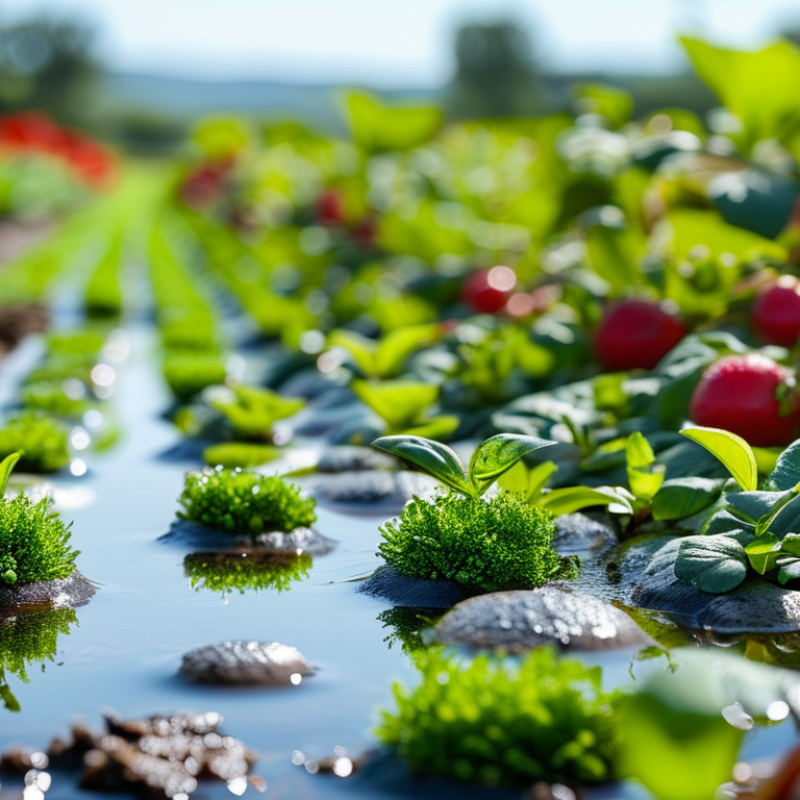
As we look ahead to 2026, the evolution of water-soluble granular fertilizers is exciting. These fertilizers are essential for achieving optimal growth in crops. Innovations are emerging that can enhance their effectiveness significantly. For instance, new formulations are being developed that increase nutrient availability. This ensures that plants absorb what they need more efficiently.
Additionally, advancements in technology are allowing for better nutrient release mechanisms. This means that nutrients can be delivered to plants at the right time. Such precision can lead to healthier plants and higher yields. Moreover, sustainable practices are becoming more prevalent. This includes the use of biodegradable materials in fertilizer formulations. These changes reflect a shift towards more environmentally-friendly agriculture.
Despite these advancements, challenges remain. Not all formulations work equally well in different soil types. Some growers might find it hard to keep up with new technologies. It's crucial that continuous research backs these innovations. Understanding the specific needs of various crops and conditions is vital. Collaboration between scientists and farmers can bridge these gaps. This will help ensure that water-soluble granular fertilizers meet both productivity and sustainability goals effectively.
2026 Top Trends in Water Soluble Granular Fertilizer for Optimal Growth
| Trend |
Description |
Innovation Type |
Expected Impact |
| Controlled Release Technology |
Fertilizers that release nutrients gradually to match plant absorption rates. |
Formulation Innovation |
Higher nutrient efficiency and reduced leaching. |
| Bio-based Nutrients |
Use of organic sources for nutrient supply instead of synthetic chemicals. |
Sustainability Innovation |
Improved soil health and environmental sustainability. |
| Smart Fertilizer Applications |
Incorporating IoT to monitor soil and plant conditions for precise fertilizer application. |
Technological Innovation |
Maximization of growth potential and reduction of waste. |
| Nutrient Specific Formulations |
Custom blends tailored for specific crops or growth stages. |
Product Customization |
Optimized nutrient supply leading to enhanced crop yield. |
| Microbial Enhancements |
Incorporating beneficial microbes in fertilizers for improved nutrient uptake. |
Biological Innovation |
Enhanced plant growth and resilience against diseases. |
Nutrient Composition Trends in 2026 Water Soluble Granular Fertilizers
As we approach 2026, the nutrient composition of water soluble granular fertilizers is evolving. These fertilizers are designed to enhance plant growth by providing essential nutrients in a quickly absorbable format. Currently, a notable trend includes the balancing of N-P-K ratios. This refers to nitrogen, phosphorus, and potassium levels, crucial for optimal plant development.
Moreover, micronutrients are gaining attention. They play vital roles in plant health and stress resistance. Iron, manganese, and zinc are crucial for chlorophyll production and enzyme functions. Farmers and gardeners are increasingly recognizing their significance. Understanding these nutrient needs can lead to healthier plants and more productive yields.
However, there remains a challenge in achieving the perfect balance. Over-fertilization can result in nutrient runoff, which harms the environment. This issue prompts reflection on sustainable practices. The goal should be to maximize growth while minimizing ecological impact. Educating users about proper application rates is essential. The future of water soluble granular fertilizers lies in responsible use and innovation.
Sustainability Practices in Water Soluble Fertilizer Production for 2026
Sustainable practices in the production of water-soluble granular fertilizers will be critical in 2026. Environmental concerns are pushing manufacturers to rethink their methods. Reducing carbon footprints is a key priority. Many companies are exploring renewable energy sources, like solar power. This shift could significantly lower greenhouse gas emissions.
Innovative practices are also emerging in raw material sourcing. Utilizing waste materials instead of traditional sources is gaining traction. These alternatives can decrease waste in landfills while providing valuable nutrients. However, challenges remain. The consistency and effectiveness of these new inputs need rigorous testing. Farmers must feel confident in their fertilizers to ensure optimal plant growth.
Transparency in production processes is essential for building trust. Consumers increasingly seek brands committed to sustainability. Labels that highlight eco-friendly practices may attract more buyers. Still, not all companies are ready to embrace these changes. Convincing stakeholders to invest in sustainable practices requires ongoing dialogue and education. Market demands are shifting, but not all players are keeping pace.
Technological Advances Enhancing Fertilizer Efficiency and Application
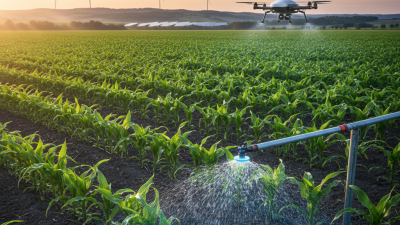
The landscape of water-soluble granular fertilizers is changing rapidly. Recent studies indicate that by 2026, the efficiency of these fertilizers can improve dramatically due to technological innovations. Precision agriculture technology, which includes soil sensors and data analytics, allows farmers to apply fertilizers more effectively. This approach can lead to a potential reduction in fertilizer use by up to 30%, optimizing crop yield, and minimizing environmental impact.
Moreover, advancements in coating technologies are enhancing nutrient release rates. Controlled-release fertilizers can mitigate nutrient loss, a problem that historically plagues traditional fertilizers. Reports suggest that these advanced formulations can increase nutrient availability by over 20% compared to conventional options. However, despite these advancements, challenges remain. Farmers may face a learning curve in adopting new technologies or may be hesitant due to initial costs.
Digital platforms that integrate user data can further optimize application techniques. These tools allow for real-time adjustments based on weather patterns and soil conditions. Yet, reliance on technology can also introduce risks. Ensuring consistent data quality and user training is crucial to maximizing these innovations’ effectiveness. As the industry moves forward, understanding both the benefits and limitations of these advancements will be vital for optimal growth strategies.
Market Demand Shifts: Consumer Preferences for Water Soluble Fertilizers in 2026
The demand for water-soluble granular fertilizers is shifting rapidly. In 2026, consumers seek products that deliver immediate results. Farmers and gardeners are looking for fertilizers that dissolve easily and enhance nutrient uptake. Preference now leans toward environmentally friendly options that support sustainable growth.
Factors driving this preference include efficiency and ease of application. Many consumers appreciate the convenience of water-soluble fertilizers. They want products that require minimal effort, especially in busy planting seasons. Awareness of environmental impact is also a factor. Consumers are more informed and prefer fertilizers with lower chemical residues.
However, there are gaps in the market. Not all products are created equal. Some water-soluble fertilizers may not meet the promised effectiveness. This can lead to frustration among users. Understanding the specific nutritional needs of plants remains a challenge. As the market evolves, both consumers and manufacturers must prioritize transparency and quality. Ultimately, the quest for optimal growth requires a thoughtful approach to fertilizer choices.