Top 10 Uses for Potassium Nitrate in Agriculture and Industry?
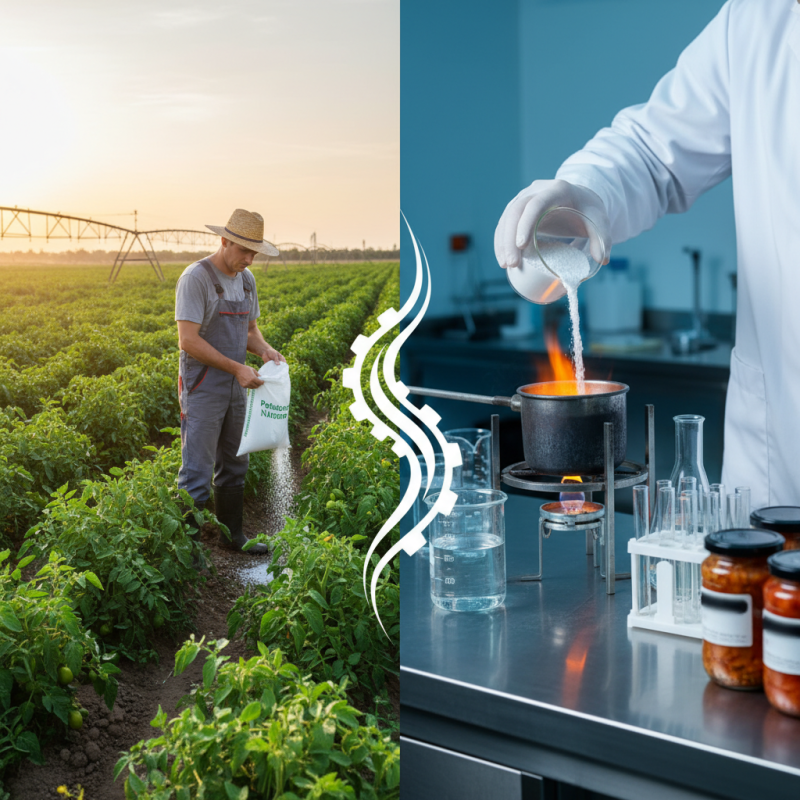
Potassium Nitrate is an essential compound in both agriculture and industry. This versatile material plays a significant role in enhancing plant growth and improving crop yields. Many farmers depend on its effectiveness to nourish their plants and ensure a robust harvest.
In agriculture, Potassium Nitrate functions as a fertilizer and contributes essential nutrients. It aids in water regulation and enzyme activation. However, the misuse of this compound can lead to environmental concerns. Farmers must remain vigilant about the application rates and timing to avoid potential runoff.
Industrially, Potassium Nitrate has myriad applications, including food preservation and even in the production of glass. Many sectors leverage its unique properties. However, awareness of safe handling and regulations regarding its use is crucial. Understanding both the benefits and risks enables better decision-making in its applications.
Potassium Nitrate: An Overview of Its Chemical Properties
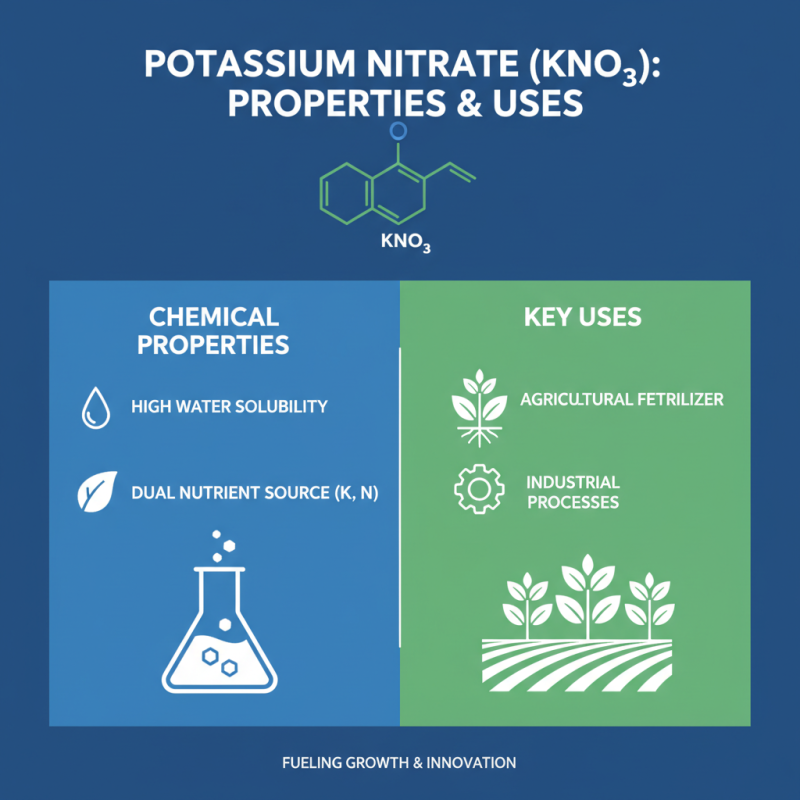
Potassium nitrate (KNO3) is a vital compound in agriculture and industry. Its chemical properties make it an effective fertilizer and a key ingredient in various processes. With a high solubility in water, potassium nitrate can quickly supply potassium and nitrogen to plants. This is crucial for growth and development, especially in crops that require high nutrient levels.
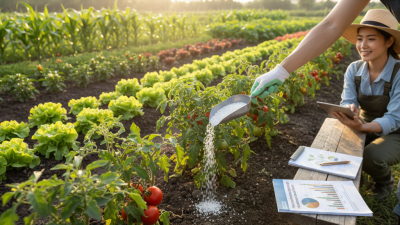
Research indicates that potassium nitrate contributes to enhanced crop yields. According to a study by the Food and Agriculture Organization (FAO), applying KNO3 can increase tomato production by up to 40%. The compound also supports stress tolerance in plants, enabling them to thrive in challenging conditions. Its role in the production of potassium-rich fertilizers underscores its significance in farming.
In addition to agriculture, potassium nitrate has industrial applications. It serves as a crucial component in food preservation and the manufacturing of glass and explosives. However, there are potential environmental concerns. Overuse of potassium nitrate in agriculture can lead to water contamination. Studies reveal that runoff from agricultural fields can increase nitrate levels in nearby water sources, posing risks to aquatic life and public health. This highlights the need for careful management and application practices.
Agricultural Applications of Potassium Nitrate as a Fertilizer
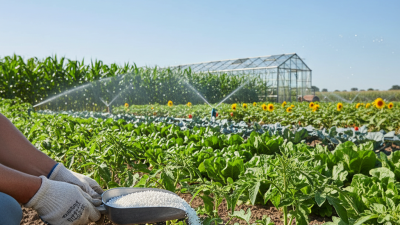
Potassium nitrate is gaining popularity in agriculture as a key fertilizer. Its high nitrogen content supports plant growth effectively. According to the International Fertilizer Association, potassium nitrate accounts for approximately 19% of the global nitrogen fertilizer market. This highlights its significance in boosting crop yields.
Application of potassium nitrate enhances nutrient absorption in plants. This process is crucial during critical growth stages, such as flowering and fruiting. A study by the American Society of Agronomy suggests that crops treated with potassium nitrate yield 10-20% more than those without it. Furthermore, its solubility promotes quick uptake, reducing nutrient loss in the soil.
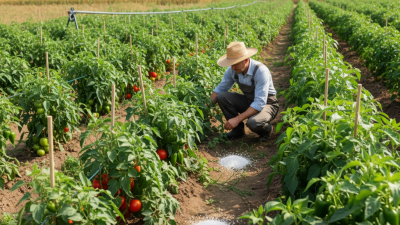
Farmers must consider potential drawbacks as well. Over-reliance on potassium nitrate can lead to soil nutrient imbalance. Sustainable practices should be combined with its application. For instance, conducting soil tests can help determine appropriate amounts. Adopting a holistic approach is essential to ensure long-term soil health and optimal plant growth.
Potassium Nitrate in Food Preservation and Safety Measures
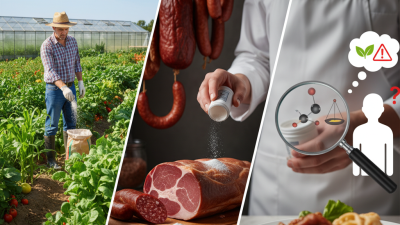
Potassium nitrate plays a vital role in food preservation. It helps prevent the growth of harmful bacteria. This is crucial for ensuring food safety. Many food processors use it in cured meats. It enhances flavor while extending shelf life.
Using potassium nitrate in food preservation is not without challenges. Overuse can lead to health concerns. Consumers may be wary of chemical additives. Transparency in labeling is essential. Educating the public on safe usage is necessary for gaining trust.
Incorporating potassium nitrate requires caution. Its benefits must be balanced with potential risks. Continuous research is needed to understand its long-term effects. Striking a safe balance is key for both producers and consumers.
Top 10 Uses for Potassium Nitrate in Agriculture and Industry
Industrial Uses of Potassium Nitrate in Manufacturing Processes
Potassium nitrate is a versatile compound widely used in industrial manufacturing processes. Its high solubility in water makes it ideal for various applications. One notable use is in the production of fertilizers. This compound provides essential nutrients for plant growth, primarily nitrogen and potassium. Many manufacturers rely on it to enhance crop yields efficiently.
Another significant industrial application is in glass production. Potassium nitrate acts as a flux, lowering the melting point of silica. This process allows manufacturers to create high-quality glass products. Additionally, it is utilized in pyroprocessing, where it aids in creating specific chemical reactions.
Tips for using potassium nitrate effectively include ensuring accurate measurements. Too much can harm plant growth, whereas too little may not yield optimal results. Always conduct soil tests before application. Additionally, optimizing storage conditions is crucial; keep it in a cool, dry place to prolong its shelf life. Regularly check for moisture, which can lead to clumping and reduced efficacy.
Overall, while potassium nitrate offers many advantages, improper handling can lead to challenges. It’s essential to stay informed about best practices to maximize benefits while minimizing risks.
Top 10 Uses for Potassium Nitrate in Agriculture and Industry
| Use Case |
Field |
Benefits |
Application Method |
| Fertilizer |
Agriculture |
Provides essential nutrients and improves crop yields |
Soil application and foliar spray |
| Food Preservation |
Food Industry |
Prevents spoilage and extends shelf life |
As a food additive |
| Explosives |
Mining and Construction |
Essential component in manufacturing explosives |
Mixed with other compounds |
| Greenhouse Production |
Horticulture |
Enhances plant growth in controlled environments |
Hydroponic systems |
| Cooling Agents |
Industrial Processes |
Provides temperature control in chemical reactions |
As a coolant in various applications |
| Tree Fertilization |
Forestry |
Promotes healthy growth of trees |
Drip irrigation systems |
| Fireworks Manufacturing |
Entertainment Industry |
Used as an oxidizer in pyrotechnics |
Mixed with other pyrotechnic materials |
| Glass Production |
Manufacturing |
Improves the melting process in glassmaking |
Incorporated into glass batch |
| Water Treatment |
Environmental Management |
Removes contaminants from water |
Added to water systems |
| Soil Remediation |
Environmental Science |
Facilitates the cleanup of polluted soils |
Applied to contaminated areas |
Environmental Considerations and Safety in the Use of Potassium Nitrate
Potassium nitrate has significant agricultural and industrial uses. However, its application raises environmental considerations and safety concerns. This compound can contribute to soil salinization if not managed properly. According to a report by the Food and Agriculture Organization, inappropriate use of potassium nitrate can lead to nutrient imbalances in soil, affecting crop yields.
The potential for leaching into groundwater is another issue. Potassium nitrate is highly soluble, which means it can easily be washed away during heavy rains. High nitrate levels in water can lead to serious health issues. A study from the Environmental Protection Agency (EPA) highlights the risk of nitrate contamination in drinking water sources. Monitoring and appropriate application rates are crucial to mitigate these risks.
Tips: Always test soil for nutrient levels before applying potassium nitrate. Set application rates based on crop needs. Consider alternative fertilizers that may be less harmful. Remember, sustainable practices are key to ensuring food safety and environmental protection. Balancing soil health and crop productivity is not simple; it requires careful planning and execution.