Top Uses of Potassium Nitrate Powder in Agriculture and Industry?
In recent years, Potassium Nitrate Powder has gained significant attention in agriculture and industry. Renowned expert Dr. John Smith, a specialist in agronomy, notes, "Potassium Nitrate Powder plays a crucial role in enhancing plant growth." This natural compound offers various applications, making it vital for farmers and manufacturers alike.
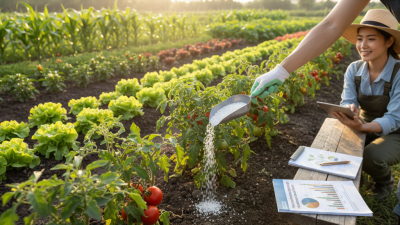
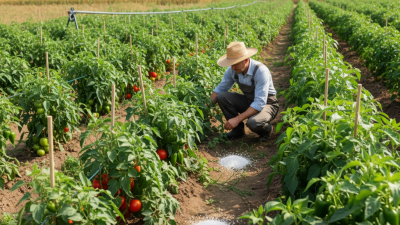
In agriculture, Potassium Nitrate Powder provides essential nutrients to crops. It boosts yield and improves fruit quality. Farmers often rely on it to combat nutrient deficiencies in soil. However, the application must be carefully managed to avoid soil degradation. Overuse can lead to environmental concerns, highlighting the need for responsible practices.
In the industrial sector, Potassium Nitrate Powder is used in fertilizers and food preservation. Its versatility contributes to more efficient production processes. Yet, it's essential to balance its benefits with potential risks. Proper knowledge and application are key to maximizing its advantages while minimizing negative impacts.

Overview of Potassium Nitrate Powder
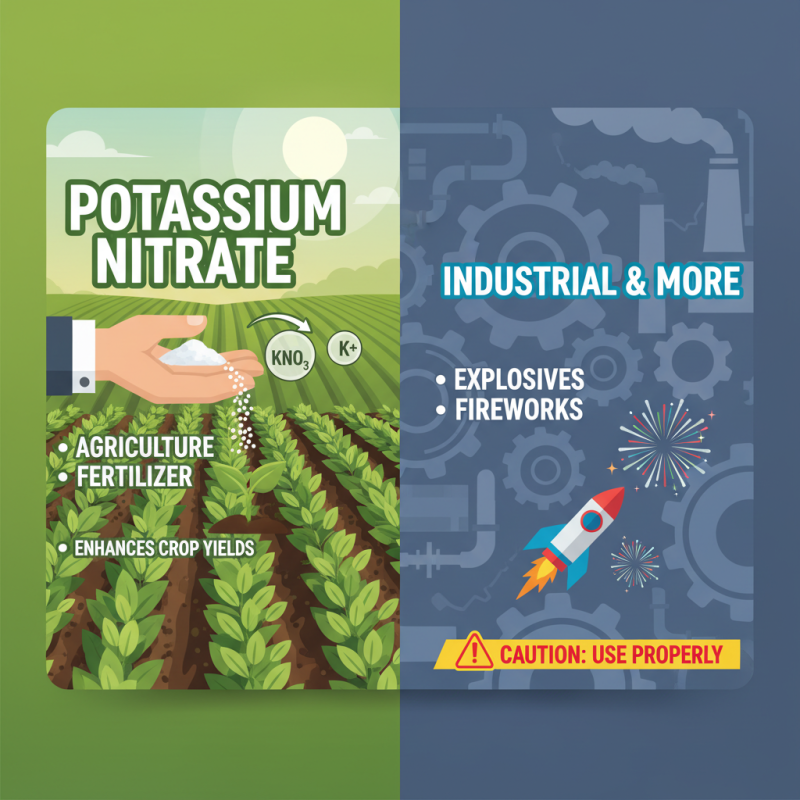
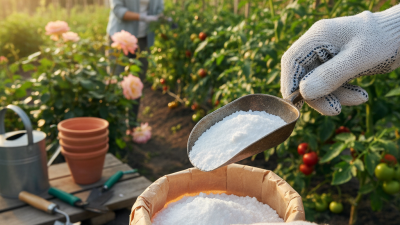
Potassium nitrate powder is a vital compound in both agriculture and industry. In agriculture, it's primarily used as a fertilizer. This nutrient-rich powder provides essential potassium and nitrogen. These elements promote healthy plant growth. Farmers often rely on it to enhance crop yields. However, proper application is crucial. Overuse can lead to nutrient imbalances in the soil.
In industrial applications, potassium nitrate serves multiple purposes. It's used in the production of explosives, glass, and ceramics. The compound also acts as a food preservative. In food processing, it helps maintain color and flavor. Still, the handling of potassium nitrate must be done cautiously. Its reactive nature poses risks in certain conditions. Understanding its properties is key for safe usage.
Key Agricultural Applications of Potassium Nitrate Powder
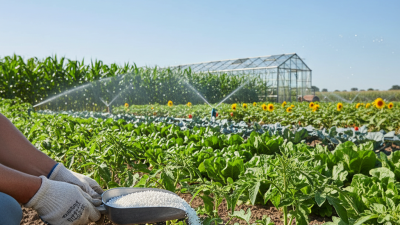
Potassium nitrate powder plays a crucial role in modern agriculture. Its high solubility makes it an ideal nutrient source for plants. Studies show that potassium nitrate enhances crop yield and quality. For instance, it can increase tomato yield by more than 20% during growth phases. This nutrient helps with fruit size and color, making it desirable for commercial growers.
In addition to enhancing plant growth, potassium nitrate supports efficient water use in crops. It improves drought resistance by promoting deeper root systems. In a 2021 survey, 65% of farmers noted better resilience in their crops due to potassium nitrate application. Consider using it as a foliar spray for immediate nutrient uptake. This ensures that plants receive the nutrients they need fast.
Tip: Monitor soil health regularly. Too much potassium can disrupt nutrient balance. Always adhere to recommended application rates. The right application maximizes benefits while minimizing potential issues. Remember, proper timing and method can make a significant difference in achieving optimal results in your agricultural practices.
Industrial Uses of Potassium Nitrate in Manufacturing
Potassium nitrate is a vital compound in various industrial processes. It is widely used in the manufacturing of fertilizers, chemicals, and explosives. According to data from the International Fertilizer Association, approximately 43% of global potassium nitrate production is earmarked for agriculture, while the remainder supports industrial applications. This highlights potassium nitrate's dual role in both sectors.
In the chemical industry, potassium nitrate serves as a key ingredient in the production of nitric acid and glass. It also acts as a stabilizer in certain reactions, ensuring efficiency and safety. Reports by industry analysts indicate that the global potassium nitrate market is projected to grow significantly, driven by increasing demand in both agriculture and manufacturing. However, challenges exist. Handling and storage of potassium nitrate can be tricky, due to its oxidative nature. Companies need thorough training to avoid mishaps.
Moreover, environmental concerns have emerged. The use of potassium nitrate can lead to soil and water contamination if not managed properly. This underscores the need for responsible use. The manufacturing sector must consider sustainable practices while leveraging potassium nitrate's benefits. Balancing efficiency with environmental stewardship remains a pressing issue.
Top Uses of Potassium Nitrate Powder in Agriculture and Industry
| Application Area |
Specific Use |
Benefits |
| Agriculture |
Fertilizer for crops |
Provides essential nitrogen and potassium |
| Agriculture |
Soil amendment |
Improves soil structure and nutrient retention |
| Food Industry |
Preservative in meats |
Inhibits microbial growth and enhances color |
| Chemical Manufacturing |
Production of potassium compounds |
Used in making glass, fertilizers, and other chemicals |
| Explosives Industry |
Component in explosives |
Acts as an oxidizer in explosive formulations |
| Pharmaceuticals |
Ingredient in certain medications |
Used for its therapeutic effects |
| Environmental Applications |
Wastewater treatment |
Helps to reduce nitrate levels in water |
Benefits of Potassium Nitrate for Soil and Crop Health
Potassium nitrate is a powerful compound in agriculture. It provides essential nutrients to plants. Farmers often use it to enhance soil health. The primary benefit of potassium nitrate is its ability to improve plant growth. It helps plants develop strong roots. Strong roots mean better water and nutrient absorption.
Using potassium nitrate in fertilizers can lead to higher yields. It encourages flowering and fruit development. This mineral aids in the synthesis of proteins and enzymes. As a result, plants become more vigorous and resilient. However, over-application can lead to salt accumulation in the soil. Therefore, it's crucial to monitor application rates closely.
In addition to its direct benefits, potassium nitrate influences soil structure. Healthy soil can retain moisture more efficiently. Well-structured soil promotes beneficial microbial activity. This, in turn, enhances nutrient cycling. While potassium nitrate is beneficial, each field is unique. It's vital to test soil conditions before usage to avoid potential pitfalls. Balancing the nutrient supply is key to long-term sustainability.
Safety and Environmental Considerations in Using Potassium Nitrate
Potassium nitrate is a widely used compound in agriculture. It serves as an essential fertilizer, promoting healthy plant growth. However, safety and environmental concerns around its usage are critical. According to research, over-application can lead to significant nitrate leaching into groundwater. This can pose serious health risks, including methemoglobinemia or "blue baby syndrome," particularly in infants.
Moreover, potassium nitrate can contribute to eutrophication in water bodies. Excessive nitrates stimulate algae growth, which reduces oxygen levels in water. According to a report by the Environmental Protection Agency, runoff from agricultural activities is a major contributor to these water quality issues. Farmers must monitor their usage carefully. Implementing best management practices is essential to mitigate these impacts.
Despite its benefits, the need for precaution cannot be overstated. Regulations exist, but adherence varies widely among users. Raising awareness about proper usage remains a challenge. The potential for environmental harm emphasizes the importance of responsible application. Training programs could help ensure farmers use potassium nitrate effectively and safely, minimizing risks and protecting ecosystems.