Top 10 Uses of Potassium Nitrate Powder for Global Buyers?
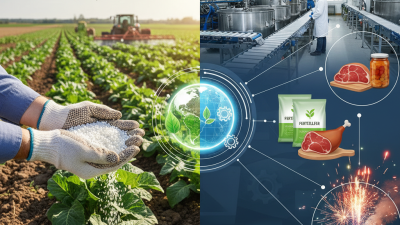
Potassium Nitrate Powder is a versatile compound with numerous applications across various industries. Its unique properties make it a valuable ingredient for many global buyers. This powder, often known for its use in fertilizers, is also pivotal in food preservation and pyrotechnics. Industries rely on it for both its effectiveness and efficiency.
In agriculture, Potassium Nitrate Powder enhances plant growth and fruit quality. Farmers benefit from its ability to provide essential nutrients, driving higher yields. Moreover, in the food industry, it plays a critical role in curing meats and preserving freshness. However, the focus on its applications should not overshadow the need for responsible use.
As demand increases, it’s essential to ensure quality and sustainability. Buyers must consider sourcing from reputable suppliers to avoid subpar products. An informed choice can prevent negative consequences, promoting safety and reliability. Understanding Potassium Nitrate Powder's various uses can lead to smarter decisions and better outcomes across different sectors.

Top Applications of Potassium Nitrate Powder in Agriculture
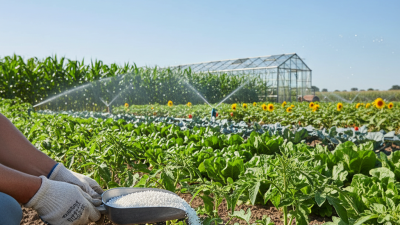
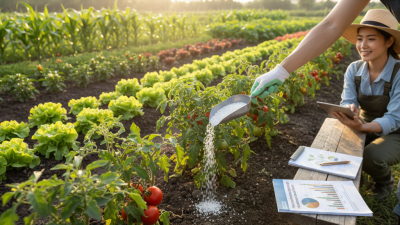
Potassium nitrate powder holds significant importance in agriculture. Farmers widely use it as a fertilizer due to its high nitrogen content. This compound enhances plant growth and improves yield. By supplying both potassium and nitrogen, it supports healthy root development. The balance of nutrients is crucial for optimal crop performance.
Another application is in soil enrichment. Potassium nitrate helps to adjust soil pH. It can make soil more suitable for various plants. However, overuse can lead to soil degradation. Farmers must monitor the application rates closely. They should also conduct soil tests regularly to avoid harmful effects.
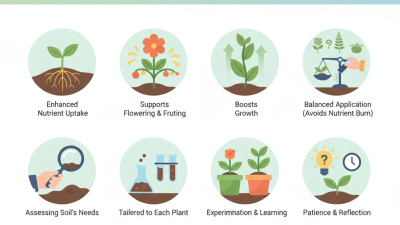
Moreover, potassium nitrate stimulates fruit production. It is particularly beneficial during flowering and fruit-setting stages. The timing of application matters. Improper timing can lead to reduced effectiveness. Each crop may have unique needs. Understanding these needs improves overall agricultural practices.
Top 10 Applications of Potassium Nitrate Powder in Agriculture
Potassium Nitrate in Food Preservation: Benefits and Usage
Potassium nitrate, commonly known as saltpeter, is essential in food preservation. Its ability to inhibit microbial growth makes it valuable in curing meats. Research indicates that potassium nitrate can effectively reduce harmful bacteria, prolonging shelf life. In a study published by the Food Control Journal, formulations containing potassium nitrate showed a 30% reduction in spoilage for various meats.
Despite its benefits, caution is necessary. Excessive use of potassium nitrate can raise health concerns. The World Health Organization advises monitoring nitrate intake to avoid potential health risks. It is crucial to balance safety with effectiveness in food preservation. Some manufacturers have faced challenges in formulating products that meet safety standards without compromising quality.
Additionally, the aesthetic aspect of food is important. Potassium nitrate enhances color in cured meats, giving them an appealing pink hue. However, the public’s perception of additives is shifting. Many consumers prefer natural preservation methods. This market change prompts suppliers to innovate while considering health and safety regulations. Balancing preservation benefits with consumer preferences presents an ongoing challenge in the industry.
Industrial Uses of Potassium Nitrate Powder in Manufacturing
Potassium nitrate, a versatile compound, plays a significant role in various industrial applications. One of its key uses is in fertilizers. It provides essential nitrogen and potassium. This dual benefit enhances plant growth and crop yield. Farmers often choose potassium nitrate for its quick absorption by plants. However, overuse can lead to soil depletion and environmental concern.
In the realm of manufacturing, potassium nitrate is vital for producing glass and ceramics. It acts as a flux, lowering melting temperatures. This quality improves energy efficiency and productivity in manufacturing processes. When used improperly, manufacturers may face quality control issues. Understanding the right quantity is crucial.
Another important application lies in food preservation. Potassium nitrate serves as a curing agent in meats. It inhibits bacterial growth, ensuring safety and flavor. Despite its benefits, there are health risks associated with excessive consumption. Balancing usage is essential for both safety and effectiveness in industrial applications.
Potassium Nitrate as a Fertilizer: Impact on Crop Yield
Potassium nitrate is a key player in modern agriculture. Its role as a fertilizer significantly impacts crop yield. Research from agricultural journals indicates that potassium nitrate can enhance plant growth by improving nutrient absorption. Studies reveal that crops treated with potassium nitrate often show a yield increase of 15-25%.
Moreover, potassium nitrate not only supports growth but also strengthens plant resilience against diseases. A report from the International Journal of Agronomy notes that crops like tomatoes and potatoes benefit immensely. They show improved quality and increased resistance when given potassium nitrate. This dual effect makes it a vital choice for farmers seeking both quantity and quality in their harvests.
However, challenges remain. Misapplication can lead to nutrient imbalances in soil. Overuse of potassium nitrate may cause environmental concerns, such as waterway pollution. Farmers should exercise caution and base their application on soil tests. Thoughtful use of potassium nitrate is essential for sustainable farming practices.
Top 10 Uses of Potassium Nitrate Powder for Global Buyers
| Use Case |
Industry |
Impact on Crop Yield |
Application Rate (kg/ha) |
| Fertilizer |
Agriculture |
Increase by 20-30% |
100-250 |
| Food Preservation |
Food Industry |
Inhibits bacterial growth |
N/A |
| Fireworks |
Entertainment |
Enhances color and brightness |
N/A |
| Explosives |
Mining |
Increases explosive power |
N/A |
| pH Control |
Water Treatment |
Stabilizes pH levels |
N/A |
| Medicinal Applications |
Pharmaceuticals |
Used in certain medications |
N/A |
| Soil Additive |
Agriculture |
Improves nutrient uptake |
50-150 |
| Cleaning Agent |
Industrial |
Effective in removing stains |
N/A |
| Heat Treatment |
Metallurgy |
Strengthens metal components |
N/A |
| Research and Development |
Chemistry |
Used for various experiments |
N/A |
Environmental Considerations and Safety Measures for Potassium Nitrate
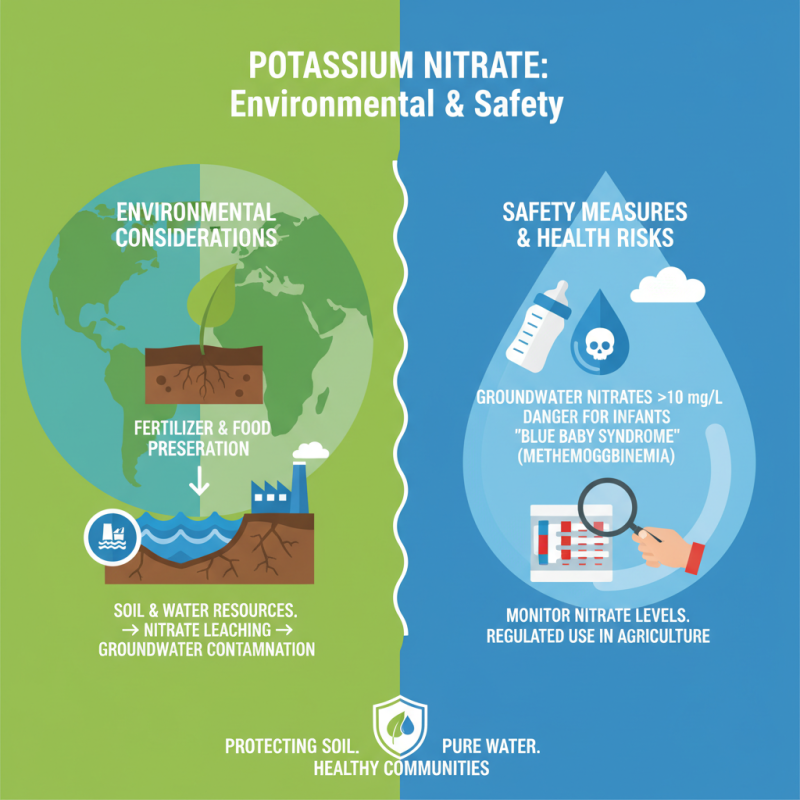
Potassium nitrate, recognized for its diverse applications, raises vital environmental considerations. This compound is essential in fertilizers and food preservation, making it an integral part of agricultural practices. However, its use must consider soil health and water resources. Reports show that excessive potassium nitrate can lead to nitrate leaching, potentially contaminating groundwater. Groundwater contaminated with nitrates poses health risks, particularly for infants. Nitrate levels exceeding 10 mg/l can cause methemoglobinemia, or "blue baby syndrome."
When handling potassium nitrate, safety measures are paramount. Appropriate personal protective equipment (PPE) should be utilized, including gloves and masks. Dust inhalation can irritate the respiratory tract. Incompatibilities with certain chemicals make storage crucial. The compound can be corrosive and should be stored safely to prevent accidental reactions. According to industry standards, potassium nitrate should be kept in cool, dry areas away from organic materials.
Sustainable practices are essential in mitigating environmental risks. Farmers are encouraged to apply potassium nitrate judiciously. Soil testing is advised to determine nutrient needs and minimize excess application. Research suggests that precision agriculture can optimize fertilizer use, thus protecting water quality. Balancing agricultural productivity with environmental health presents ongoing challenges that require vigilance and adaptation.