How to Use Calcium Nitrate Fertilizer for Optimal Plant Growth?
Calcium Nitrate Fertilizer is a powerful tool in gardening and agriculture. It provides essential nutrients to plants, especially nitrogen and calcium. Proper use of this fertilizer can enhance growth and improve crop yields.
However, many gardeners struggle with application techniques. Over-fertilizing or under-fertilizing can hinder plant health. Understanding the right timing and method is crucial. It's not just about quantity but also about how and when to apply it effectively.
As we delve into the methods of using Calcium Nitrate Fertilizer, we will explore best practices and common pitfalls. This will help growers achieve optimal results and foster healthy, thriving plants. Being aware of plant needs and adjusting accordingly is key to successful gardening.
How Calcium Nitrate Fertilizer Enhances Nutrient Uptake in Plants
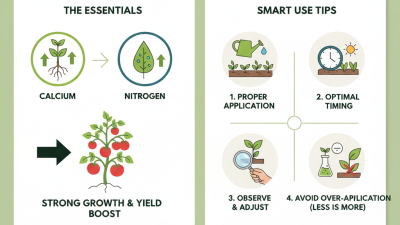
Calcium nitrate fertilizer plays a crucial role in enhancing nutrient uptake in plants. It supplies essential calcium and nitrogen, vital for plant health. Calcium supports cell wall strength and stability. It also improves root development, allowing plants to absorb more nutrients. Nitrogen is key for producing chlorophyll, which aids photosynthesis. This leads to greener, healthier plants.
Applying calcium nitrate can be particularly beneficial during critical growth stages. Young plants often struggle with nutrient absorption. Adding calcium nitrate helps alleviate this challenge. It can also enhance fruit development in crops. However, over-application can lead to nutrient imbalances. This can weaken plants instead of helping them. It's crucial to follow application guidelines for optimal results. Testing soil nutrient levels can provide additional insights.
Incorporating calcium nitrate requires careful monitoring. Different plants have varying needs. Some may respond positively, while others might show minimal improvement. Observing plant health is essential. Adjusting the application rate based on plant response can be beneficial. Trial and error may be necessary to find the best approach for each situation. A deep understanding of plant requirements leads to better outcomes.
Calcium Nitrate Fertilizer Impact on Plant Growth
This bar chart illustrates the impact of calcium nitrate fertilizer on plant growth. The data shows that plants treated with calcium nitrate exhibit significantly greater height compared to those that did not receive this fertilizer, highlighting its effectiveness in enhancing nutrient uptake and promoting optimal growth.
Application Rates: Determining the Optimal Amount for Different Crops
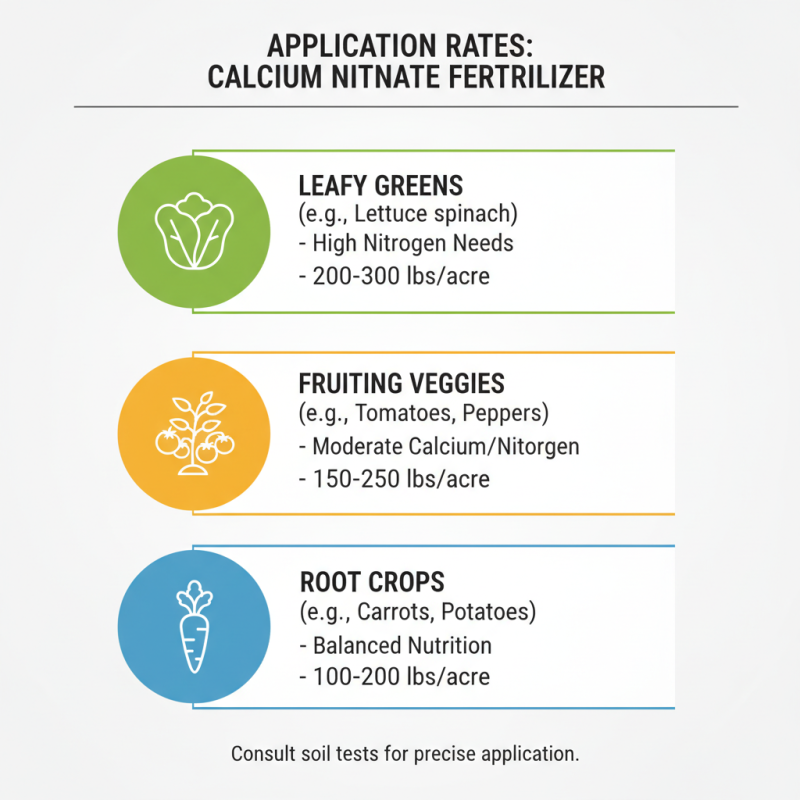
Calcium nitrate is a valuable fertilizer for promoting optimal plant growth. It provides essential nutrients, particularly calcium and nitrogen. However, determining the right application rate is crucial. Different crops have unique nutrient needs. For example, leafy greens like lettuce thrive on a higher nitrogen concentration. A typical rate might be around 200-300 pounds per acre.
Fruiting crops, such as tomatoes, require balanced nutrition. A lower rate, approximately 150-200 pounds per acre, is often best. Applying too much can lead to nutrient uptake issues. Over-fertilization may harm plant health. Regular soil testing can guide adjustments. Keep in mind that each planting season may vary, affecting nutrient needs.
Additionally, remember that environmental factors play a role. Soil type, moisture, and climate influence how plants absorb nutrients. Watching for signs of deficiency or excess is essential. Adjusting application rates based on these observations helps in refining your fertilization strategy. It's a continuous learning process for optimal results.
Timing of Application: When is the Best Time to Use Calcium Nitrate?
When considering the timing of calcium nitrate application, it’s essential to sync with your plant's growth stages. Early spring is often the best time to apply this fertilizer. At this point, plants resume growth and require more nutrients. Regularly assess the soil's nutrient levels before application. In warm weather, the nitrogen in calcium nitrate can be effectively utilized, boosting growth and flowering.
Tips: Monitor weather conditions. Calcium nitrate works best when temperatures are mild and the soil is moist. Avoid using it during heavy rain, as leaching can occur. Apply just before watering to enhance absorption.
During flowering, you might want to increase the frequency of application. This ensures that plants receive the nutrients needed for fruit and bloom development. Although effective, over-application can lead to nutrient imbalances. Watch for signs of nutrient burn on leaves. Adjust accordingly and remember, less can sometimes be more. This careful monitoring is crucial for optimal plant health.
Best Practices for Mixing Calcium Nitrate in Fertigation Systems
Mixing calcium nitrate in fertigation systems can greatly enhance plant growth. It supplies both calcium and nitrogen, essential nutrients for strong plant development. Start by assessing the water quality. Hard water can precipitate calcium salts, affecting nutrient availability. Use filtered or softened water when mixing your solutions.
When preparing a fertigation mix, it’s crucial to measure the right quantities. A common practice is to use about 1 to 2 pounds of calcium nitrate per 100 gallons of water. This ensures that the nutrient ratio remains balanced. Monitor the pH regularly; calcium nitrate can alter it, potentially leading to nutrient lockout. A pH between 5.5 and 6.5 is optimal for most crops.
Avoid making assumptions about your plants' needs. Each crop may respond differently. Test the soil and plant tissue regularly to adjust the nutrient mix. Observe how plants react. If leaf tips turn yellow, it may indicate excess nitrogen. Keep detailed records of your mixing practices and plant responses. This data will help refine your fertigation process over time.
How to Use Calcium Nitrate Fertilizer for Optimal Plant Growth? - Best Practices for Mixing Calcium Nitrate in Fertigation Systems
| Parameter |
Value |
Notes |
| Recommended Ratio of Calcium Nitrate to Water |
1:100 |
Commonly used concentration for fertigation |
| Optimal Application Frequency |
Every 2 weeks |
Adjust based on plant growth stage |
| Recommended pH Range |
6.0 - 6.5 |
Ideal for nutrient absorption |
| Calcium Nitrate Content |
15.5% N, 19% Ca |
High nutrient value for plants |
| Temperature for Mixing Solutions |
15°C - 25°C |
Optimal mixing conditions |
Understanding the Role of Calcium and Nitrate in Plant Metabolism
Calcium and nitrate play crucial roles in plant metabolism. Calcium helps in cell wall structure. It strengthens plants against diseases. Without sufficient calcium, plants can suffer from blossom end rot, especially in tomatoes. According to a study by the University of Florida, nearly 30% of tomato crops can be affected by this issue.
Nitrate, on the other hand, is vital for producing amino acids. These are the building blocks of proteins. Plants require proteins for growth and development. Research indicates that adequate nitrate levels can boost crop yields by up to 20%. However, too much nitrate can lead to imbalances. It may result in excessive growth with weak plant structures.
Understanding these nutrients enhances gardening practices. Monitoring soil calcium and nitrate levels is essential. Tools like soil test kits can provide insights. After all, the right balance fosters healthier plants. Yet, many gardeners overlook this aspect. Regular assessments can lead to more successful crop production.