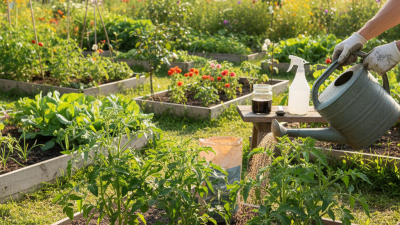
Growing plants with fish-based nutrition can seem simple, yet good results depend on careful preparation. Water Soluble Fish Fertilizer dissolves quickly and supplies nutrients, depending on its formulation. These nutrients may support leafy growth, root development, and recovery after transplanting. However, it is not a universal cure. Plant species, soil condition, sunlight, and watering habits still matter. A yellow leaf does not always mean fertilizer is missing. Sometimes, roots are staying too wet.
This guide explains how to read the product label, measure the concentrate, and apply it safely. Start with clean water and a measured container. Never estimate fertilizer by sight. Apply the diluted solution to already moist soil, especially around seedlings and container plants. This reduces stress and limits direct contact with concentrated nutrients. Some products allow foliar spraying, but the label must clearly permit it. Test the mixture on a few leaves first. Fish odor may linger in warm weather. Store the container tightly sealed and away from children and pets.
Reliable use begins with observation. Record the application date, dilution rate, weather, and plant response. A small trial is wiser. Compare treated plants with untreated ones when possible. Many horticultural recommendations emphasize following label directions and avoiding excessive feeding. More fertilizer does not mean faster growth. It can damage roots, disturb soil balance, or create weak, soft stems. The process is not perfectly predictable. Even careful growers sometimes misjudge a plant’s needs. Adjust gradually, watch new growth, and stop applying fertilizer if scorching, wilting, or unusual leaf discoloration appears.
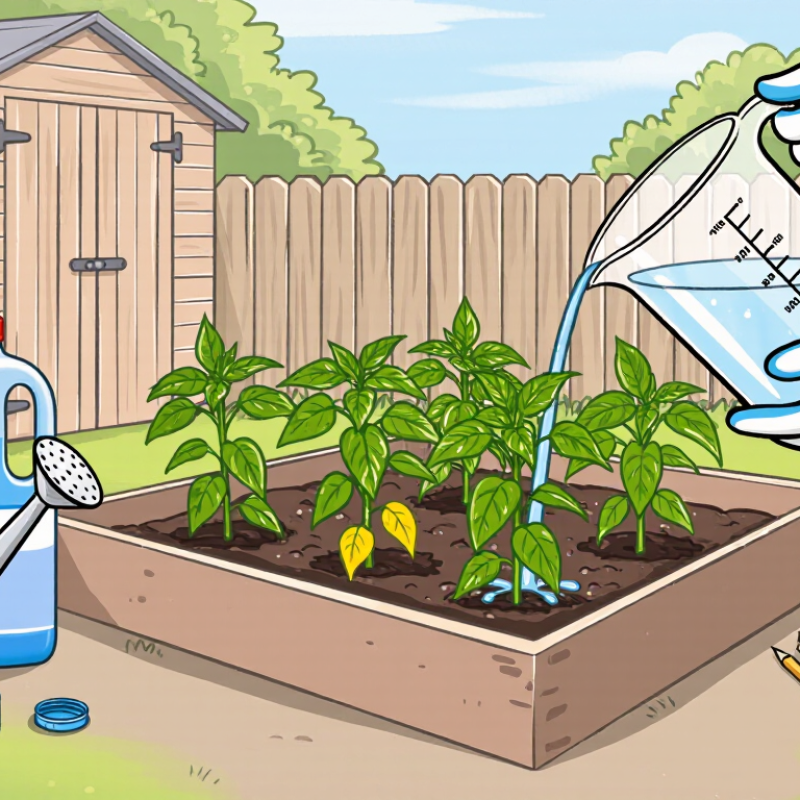
How to Use Water Soluble Fish Fertilizer for Plants
Understanding Water-Soluble Fish Fertilizer
Water-soluble fish fertilizer is a liquid nutrient made from processed fish materials. Its nitrogen, phosphorus, and potassium levels vary by raw material and processing method. Check the guaranteed analysis before applying it. The Association of American Plant Food Control Officials requires fertilizer labels to state these nutrient percentages. This detail matters more than the product’s strong smell.
FAO’s 2022 fertilizer outlook placed global nutrient demand near 200 million tonnes annually. That scale shows why efficient application matters. Fish fertilizer usually supplies modest nitrogen levels, so it works best as a supplement, not a complete replacement for soil fertility planning. University extension guidance also recommends soil testing before routine feeding. Healthy plants do not need constant fertilizer.
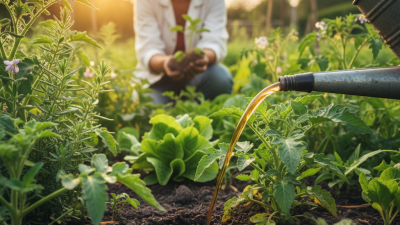
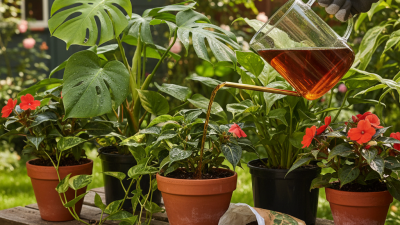
Dilute the fertilizer according to its label, then apply it to already-moist soil. A watering can should leave the root zone damp, not flooded. For seedlings, use a weaker solution and watch the newest leaves for several days. Pale growth may indicate insufficient nutrition, but yellow leaves can also signal poor drainage. I have seen gardeners add more fertilizer too quickly. That mistake can waste nutrients and stress roots. Applying every two to four weeks during active growth is a practical starting point, but plant response should guide adjustments. Nutrient runoff remains a concern. Use only what the soil and crop can absorb.
Understanding the nutrient analysis helps gardeners apply fish fertilizer correctly. The chart below shows an illustrative 5-1-1 water-soluble fish fertilizer analysis: 5% total nitrogen, 1% available phosphate (P₂O₅), and 1% soluble potash (K₂O).
How to use it: Dilute the product according to its label, apply it to already-moistened soil, and avoid overfertilizing. Nitrogen mainly supports leafy growth, while phosphorus and potassium contribute to root, flower, and overall plant development. Nutrient percentages can vary between products, so always check the fertilizer analysis before mixing.
Choosing a water-soluble fish fertilizer starts with the guaranteed analysis, not the scent. Compare nitrogen, phosphorus, potassium, and micronutrient percentages on each label. AAPFCO labeling guidance requires declared nutrients to appear as percentages. This makes products easier to compare. Select moderate nitrogen for established ornamentals and higher nitrogen for leafy growth. Avoid guessing for seedlings.
Mixing equipment can protect both plants and the irrigation system. Use a graduated cylinder, clean bucket, and dedicated stirrer. For larger beds, calibrate a venturi injector with plain water before adding fertilizer. A 100-mesh filter can reduce sediment entering drip lines. Measure the final solution, not only the concentrate. USGS reported about 118 billion gallons of irrigation withdrawals daily in the United States during 2015. Small dosing errors can therefore become expensive quickly.
Run a jar test before applying the mixture widely. Add the planned fertilizer amount to the same water used in the garden. Watch for curds, floating oil, or heavy sediment after thirty minutes. I have learned that a clear mix can still burn roots when the dose is wrong. Begin at the label’s lowest rate, then inspect leaves after forty-eight hours. FAO AQUASTAT reports that agriculture uses roughly 70% of global freshwater withdrawals. Apply slowly, water the root zone, and avoid runoff. Never combine fish fertilizer with other concentrates unless the label confirms compatibility.
| Use or Decision Area | Recommended Choice or Range | Typical Water-Soluble Fish Fertilizer Profile | Mixing Guidance | Suitable Equipment | Application Notes |
|---|---|---|---|---|---|
| Seedlings and young plants | Use a complete fish fertilizer with a relatively mild nutrient analysis. | Common examples include balanced or nitrogen-forward analyses such as 2-2-2, 3-1-1, or 5-1-1. The actual analysis must be verified on the product label. | Begin at the low end of the label dilution rate. A common concentrate range is approximately 1 tablespoon per U.S. gallon of water, but label instructions take priority. | Graduated measuring spoon, 1–2 gallon watering can, or small hand sprayer. | Apply to already-moist growing media to reduce the risk of root stress. Avoid saturating poorly drained containers. |
| Leafy vegetables and herbs | Choose a formulation with useful nitrogen and a complete nutrient analysis when available. | Fish fertilizers often supply more nitrogen than phosphorus, supporting leaf and stem growth. Secondary and micronutrients vary by formulation. | Mix according to the label. For many concentrated products, approximately 1–2 tablespoons per U.S. gallon is a common working range. | Watering can with a fine rose, pump sprayer, or clean mixing bucket. | Soil application is generally more reliable than foliar spraying. Follow crop-harvest and preharvest directions on the label. |
| Flowering plants | Select a complete fertilizer rather than choosing solely by a high phosphorus number. | Phosphorus supports root and reproductive development, but excessive phosphorus is not a substitute for balanced nutrition and may contribute to runoff pollution. | Use the labeled dilution rate and avoid increasing concentration to force flowering. | Watering can, hose-end injector, or low-pressure pump sprayer for large plantings. | Apply during active growth and stop or reduce feeding when plants are dormant or when the label advises. |
| Container plants | Use a soluble concentrate that can be measured accurately in small volumes. | Container media can accumulate salts because irrigation water drains through a limited volume of soil. | Measure both water and concentrate precisely. If the label gives a rate per gallon, 1 U.S. gallon equals 3.785 liters. | 1-gallon watering can, measuring syringe, or marked mixing jug. | Allow excess solution to drain from the container. Periodic plain-water irrigation can help reduce soluble salt buildup. |
| Vegetable beds and borders | Choose a formulation appropriate for soil application and the crop’s nutrient needs. | Fish fertilizer can provide organic nitrogen and other nutrients, but nutrient availability depends on the formulation, soil biology, temperature, and moisture. | Prepare only the volume needed for the application and maintain the label dilution. | 5-gallon mixing bucket, watering can, or backpack sprayer used according to its instructions. | Keep fertilizer out of storm drains, ponds, and streams. Avoid applying before heavy rain. |
| Indoor plants | Use a mild, low-odor formulation and apply conservatively. | Fish-based products may have a noticeable odor, especially in warm indoor conditions. | Use the lowest labeled rate suitable for the plant and dilute with clean water. | Small graduated measuring cup, 1-liter watering can, or narrow-spout bottle. | Apply to the potting mix rather than leaves, provide ventilation, and remove standing liquid from saucers. |
| Choosing a fertilizer analysis | Match the analysis to the crop and soil-test results instead of selecting by the largest number. | The three numbers on the label represent the percentage by weight of total nitrogen, available phosphate expressed as P2O5, and soluble potash expressed as K2O. | Do not compare products only by dilution volume; compare nutrient concentration and the amount of product applied. | Label, measuring container, calculator, and soil-test report when available. | A soil test is the best way to identify nutrient deficiencies and avoid unnecessary applications. |
| Mixing order | Use clean water first, then add the measured fertilizer concentrate. | Water-soluble products are easier to distribute when the container has enough water for thorough mixing. | Fill the container about halfway, add the measured concentrate, stir or agitate, then add the remaining water. | Clean bucket, watering can, or sprayer with a functioning agitator. | Never mix fertilizer in a food-preparation container. Keep the container labeled and out of children’s and pets’ reach. |
| Sprayer selection | Choose based on area size, spray pattern, and required application volume. | Fish fertilizer solutions can be used in many sprayers when the label permits foliar or spray application. | Strain the mixed solution if the product contains visible particles, and test the spray pattern with water first. | Hand sprayer for small areas; pump or backpack sprayer for larger areas; hose-end injector only when compatible with the label rate. | Clean the sprayer immediately after use to reduce clogging and prevent fertilizer residue from damaging later applications. |
| Mixing water quality | Use clean water at normal ambient temperature. | Hard or alkaline water may affect some fertilizer solutions, although the impact varies by formulation and water chemistry. | If sediment, curdling, or separation appears, stop and check the label or perform a small jar compatibility test. | Clean water source, measuring jug, and transparent test jar. | Do not mix with pesticides, herbicides, or other fertilizers unless compatibility and label directions specifically allow it. |
| Storage and shelf life | Store the concentrate tightly closed in a cool, shaded, well-ventilated location. | Fish-based products may separate or develop stronger odors over time; this does not establish that the product is safe or unsafe to use. | Shake or agitate the concentrate only as directed. Do not store diluted solution unless the label permits it. | Original labeled container, clean measuring tool, and spill tray. | Prevent freezing, overheating, and contamination. Dispose of unusable product according to local waste regulations. |
| Safety and environmental protection | Follow the fertilizer label, wear recommended protective equipment, and avoid runoff. | Even organic or fish-based fertilizers can cause plant injury when overapplied and can contribute nutrients to waterways. | Measure accurately and apply only the amount needed for the intended area. | Gloves, protective eyewear, closed footwear, and a clean spill-absorption material. | Keep people and pets away during application when required by the label. Wash hands and clean equipment after use. |
Always follow the product label for crop approval, dilution rate, application frequency, protective equipment, storage, and disposal. Nutrient analyses and recommended rates differ among formulations.
Preparing a water-soluble fish fertilizer solution starts with the product label, not guesswork. Different concentrates contain different nitrogen levels and dilution rates. Use a clean bucket, measuring spoon, and room-temperature water. Cold water can slow mixing, while very hot water may reduce the quality of some formulations. Read the label carefully. If instructions are unclear, choose the weaker recommended dilution and observe the plant.
Measure the water first, then add the fertilizer slowly. For example, a label calling for 5 milliliters per liter requires 25 milliliters for five liters. Stir until the liquid looks evenly mixed, with no heavy layer at the bottom. Do not pour concentrated fertilizer directly onto leaves or dry soil. That mistake can cause root or leaf burn. Apply the solution to already moist soil, preferably early in the day. This helps distribute nutrients without creating a sudden salt concentration around roots.
I prefer testing the solution on one plant before treating a whole bed. After two or three days, inspect new growth, leaf edges, and soil moisture. Pale growth may suggest inadequate nutrition, but yellow leaves can also reflect overwatering or poor drainage. Do not increase the dose automatically. I once corrected a weak-looking plant with extra fertilizer and made the leaf tips brown. That experience taught me to adjust gradually and record the dilution used. Prepare only what you can use that day, because diluted fish fertilizer can develop an unpleasant odor and microbial growth.
Water soluble fish fertilizer can support leafy growth when used carefully. Read the product label before mixing, because concentrations differ. Measure the fertilizer with clean tools. Do not guess. Dilute it in room-temperature water as directed. Strong mixtures may scorch roots or foliage. Apply the solution to already moist soil, not bone-dry soil. This reduces stress and helps nutrients spread evenly. Pour slowly around the root zone. Avoid stems, flowers, and edible leaves whenever possible.
Wear gloves, protect your eyes, and wash your hands after use. Fish-based fertilizer can smell strongly, especially in warm weather. Keep children and pets away until the application area is dry. Never pour leftover solution into drains, ponds, or streams. It can harm water quality. I usually test the diluted mixture on one plant first. Waiting 24 hours can reveal burning or wilting. More fertilizer is not better. Impatient feeding can set plants back.
Water-soluble fish fertilizer can support steady plant growth, but feeding frequency matters more than using a strong solution. Always follow the product label, because nutrient concentrations differ. I usually dilute the fertilizer thoroughly in room-temperature water before applying it to already moist soil. Dry roots can suffer from sudden nutrient contact.
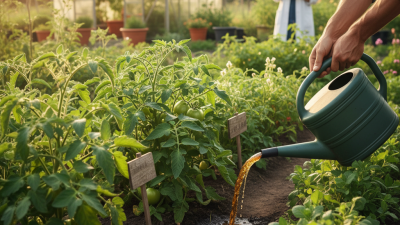
Fast-growing vegetables and leafy herbs may benefit from feeding every 7 to 14 days during active growth. Tomatoes, peppers, and flowering plants often respond well to feeding every 10 to 14 days, especially after transplanting or fruit set. Seedlings need weaker solutions and longer intervals, usually every three to four weeks. Their roots are delicate.
Houseplants grow more slowly indoors. A monthly application during spring and summer is often enough. Succulents, cacti, and dormant plants need much less, sometimes only once every six to eight weeks. Watch the leaves. Pale new growth may suggest limited nutrition, while brown tips, crusty soil, or sudden wilting can indicate overfeeding or salt buildup. Flush the soil with clean water when buildup appears, provided the container drains freely.
In my garden, I once fed young herbs too often and expected faster growth. Instead, the stems became soft and the soil smelled unpleasant. That mistake changed my routine. I now record feeding dates and check growth for several days before applying fertilizer again. Soil tests can provide better guidance than appearance alone, particularly in garden beds with compost or manure.