2026 How to Use Water Soluble Potash Fertilizer for Optimal Plant Growth?
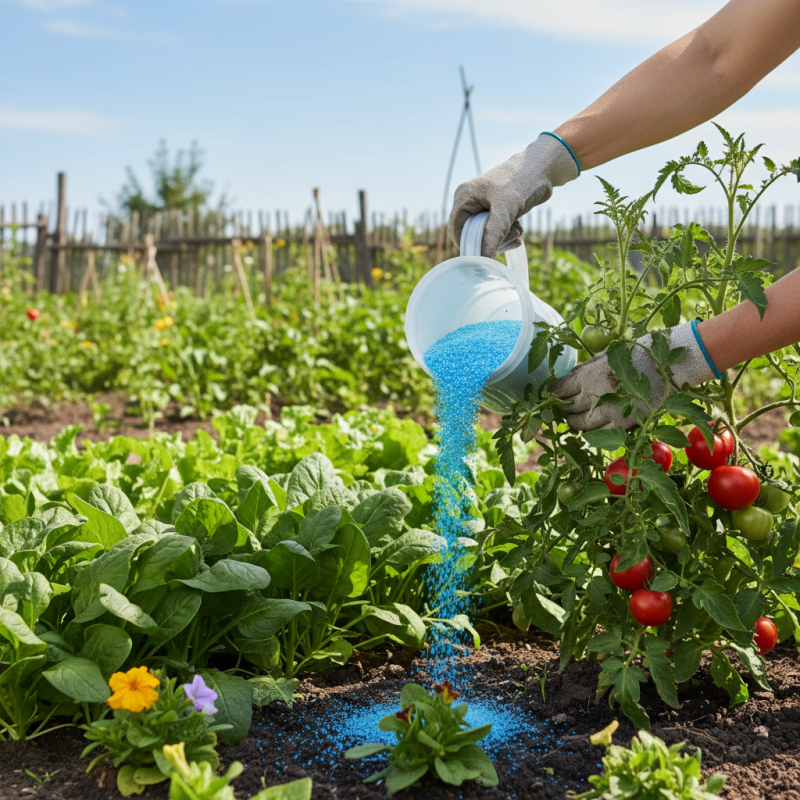
Water Soluble Potash Fertilizer plays a crucial role in enhancing plant growth. This type of fertilizer is rich in potassium, an essential nutrient for plants. Potassium strengthens cell walls, aids in water regulation, and boosts overall plant health.
Applying Water Soluble Potash Fertilizer can improve crop yields significantly. It's crucial to follow the recommended application rates. Overuse can lead to nutrient imbalances or even plant injury. Understanding the specific needs of your plants is key. Each species has unique requirements, and trial and error may be necessary.
When used correctly, this fertilizer promotes vibrant growth and resilience against diseases. Observing plants closely can help in adjusting your approach. Sometimes the results may not meet expectations. Reflection on fertilizer choice and application methods can lead to better outcomes in future gardening endeavors.
Understanding Water Soluble Potash Fertilizer and Its Benefits
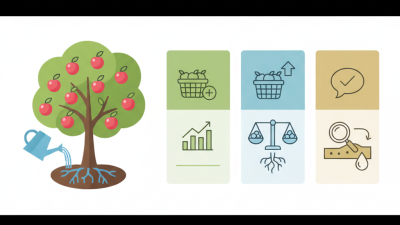
Water soluble potash fertilizer is crucial for plant health. Its primary component, potassium, helps in key functions. This nutrient boosts photosynthesis and improves water retention. A study by the International Fertilizer Association shows that potassium can increase crop yield by 10-30%.
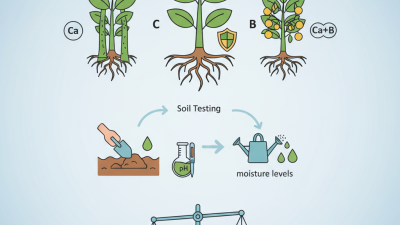
Understanding the benefits of water soluble potash is essential. It aids in nutrient uptake, enhancing overall plant growth. This fertilizer dissolves easily in water, making it accessible to plants. Soil tests reveal that potassium deficiency leads to reduced growth and poor fruit quality. Farmers often overlook this, risking their yields.
However, applying water soluble potash requires care. Overuse can lead to nutrient imbalances and soil degradation. It's vital to follow recommended application rates based on soil testing. This approach ensures plants receive adequate potassium without negative side effects. Striking a balance is key for sustainable agriculture.
2026 Water Soluble Potash Fertilizer Effect on Plant Growth
This bar chart illustrates the impact of water soluble potash fertilizer on the growth of various plants. Each plant type shows significant height growth in centimeters when treated with the fertilizer, highlighting its benefits for optimal plant development.
Selecting the Right Water Soluble Potash Fertilizer for Your Plants
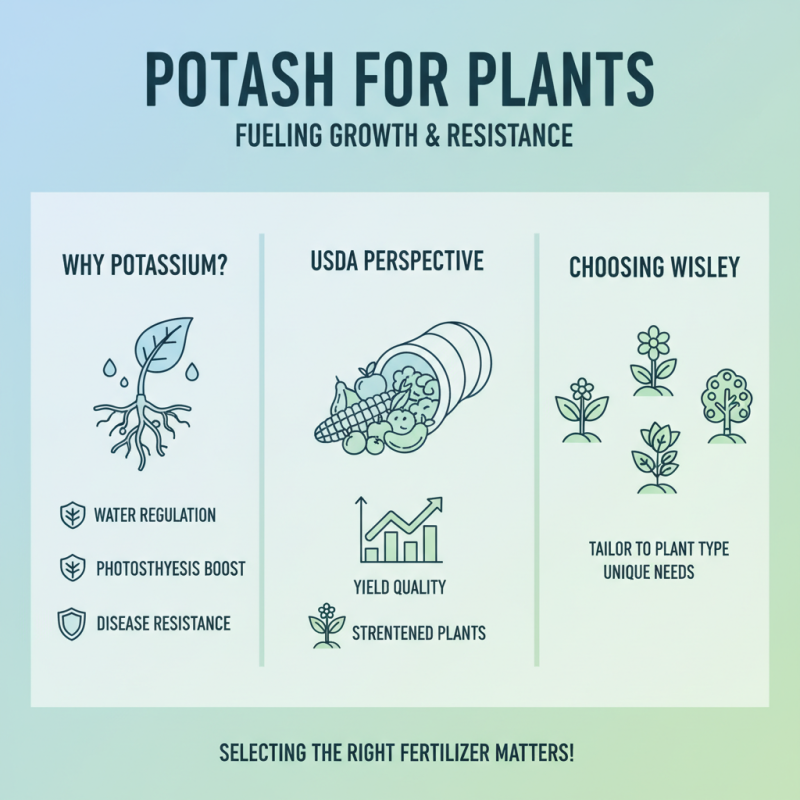
Selecting the right water soluble potash fertilizer is vital for enhancing plant growth. Potassium is essential for various plant functions. It helps in water regulation and photosynthesis. According to the USDA, potassium levels influence yield quality and resistance to disease. Each plant type has unique nutrient requirements. This poses a challenge for gardeners.
Understanding nutrient ratios is crucial. For instance, a fertilizer labeled 15-30-15 contains 15% nitrogen, 30% phosphorus, and 15% potassium. Different plants require different ratios. Leafy greens thrive with high nitrogen, while fruit-bearing plants benefit from higher potassium. The industry suggests testing soil before applying fertilizers. Soil reports offer insights into nutrient deficiencies.
However, not all fertilizers are created equal. Water solubility can vary. Some products dissolve quickly, while others take time. This affects nutrient availability. Overuse can lead to salt buildup. Excessive potassium can inhibit other nutrients. Staying informed about formulations is essential. Balancing nutrient needs can be complex. Regular monitoring is advised for optimal growth.
Application Techniques for Water Soluble Potash Fertilizer
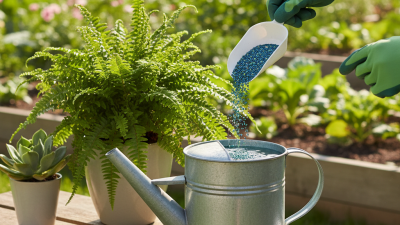
When applying water soluble potash fertilizer, proper techniques are crucial. This type of fertilizer is known for enhancing potassium levels in the soil. Potassium supports vital plant functions, including photosynthesis and water regulation. According to a recent study, a balanced potassium supply can increase crop yields by 10-15%.
Effective application methods include foliar feeding. This technique allows plants to absorb nutrients directly through their leaves. Researchers found that foliar applications resulted in a 20% increase in nutrient uptake. Applying the fertilizer during the early morning or late afternoon can reduce evaporation loss. Using a sprayer with fine droplets ensures better coverage on plant surfaces.
Over-application remains a concern among growers. Excessive potash can lead to nutrient imbalances in the soil. Monitoring soil nutrient levels is essential for optimal results. Regular testing helps in adjusting application rates. Remember to consider weather conditions. Rain can wash away the nutrients, diminishing effectiveness. Thoughtful application practices lead to healthier plants and improved yields.
2026 How to Use Water Soluble Potash Fertilizer for Optimal Plant Growth? - Application Techniques for Water Soluble Potash Fertilizer
| Application Method |
Dilution Ratio |
Frequency of Application |
Best For |
Nutrient Benefits |
| Foliar Spray |
1:500 |
Every 2 weeks |
Vegetables and Fruits |
Improves fruit quality and size |
| Soil Application |
1:1000 |
Once a month |
Root Crops |
Enhances root development |
| Drip Irrigation |
1:2000 |
Weekly |
Row Crops |
Maximizes nutrient absorption |
| Transplant Soaking |
1:300 |
Before planting |
Start-up Plants |
Supports initial growth |
| Container Feeding |
1:750 |
Every 10 days |
Potted Plants |
Promotes flowering |
Timing and Frequency of Water Soluble Potash Fertilizer Application
Applying water soluble potash fertilizer effectively requires attention to timing and frequency. It’s crucial to align application with your plants’ growth stages. For most crops, early spring is a great time to start. This is when plants begin to show signs of new growth and increased nutrient demand.
Frequency matters. Applying this fertilizer every four to six weeks can provide consistent benefits. However, don’t over-apply. Too much can lead to nutrient burn or toxicity. Always monitor your plants’ response. Adjust your schedule based on their health and growth patterns.
Consider weather conditions, too. Rain can affect absorption. If rain is forecasted soon after application, it might wash away nutrients. Observe soil moisture levels to determine if additional applications are necessary. Each plant type may have different responsiveness to potash. Stay flexible and be ready to adapt your approach as needed.
Monitoring Plant Response to Water Soluble Potash Fertilizer Usage
Monitoring plant response to water soluble potash fertilizer is key to ensuring optimal growth. Observing the changes in leaf color can reveal nutrient uptake levels. For instance, deep green leaves suggest that the plants are benefiting from the potassium provided. However, yellowing leaves may indicate a deficiency or over-application.
Tracking growth patterns is crucial as well. Measure the height of the plants regularly. A sudden increase can be a good sign. However, stunted growth could suggest that the plants are not receiving the right nutrients. Consider assessing root health too. Healthy roots can indicate that the fertilizer is being absorbed effectively.
It's necessary to adjust the application based on observations. This can be tricky. Sometimes, the ideal quantity might still underperform. Analyzing environmental factors like soil moisture levels is important. They affect how plants respond to fertilizers. Over-reliance on fertilizers might create challenges. Regular monitoring and adapting your approach can help achieve better results.