Why Choose Water Soluble Flower Fertilizer for Thriving Blooms?
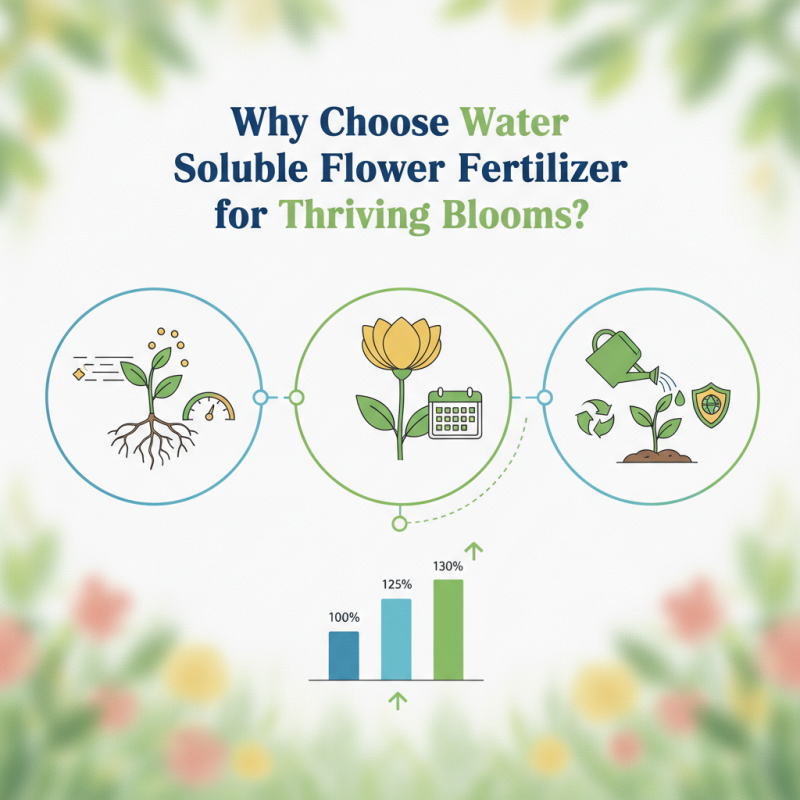
In the pursuit of vibrant and flourishing blooms, the choice of fertilizer plays a pivotal role in enhancing floral health and aesthetics. Among the various options available, Water Soluble Flower Fertilizer stands out for its remarkable efficacy and ease of use. According to industry studies, the application of water-soluble fertilizers can lead to a 25-30% increase in plant growth rates and overall flower production. This significant enhancement is attributed to the rapid nutrient availability facilitated by the soluble nature of these fertilizers, allowing plants to absorb essential macro and micronutrients swiftly through their root systems.
In addition to promoting growth, Water Soluble Flower Fertilizer is particularly beneficial in optimizing nutrient uptake during critical growth phases, especially during flowering and fruiting stages. Research indicates that the use of soluble fertilizers can improve flowering intensity and prolong bloom periods, allowing gardeners and horticulturists to achieve lush and vibrant landscapes. Furthermore, these fertilizers support environmental sustainability by minimizing nutrient runoff, which is a prevalent concern in conventional fertilization practices.
As the demand for effective and sustainable gardening solutions continues to rise, understanding the benefits of Water Soluble Flower Fertilizer becomes increasingly paramount. By employing such fertilizers, amateur gardeners and professional cultivators alike can ensure their floral displays thrive, creating breathtaking gardens that capture the essence of nature's beauty.
Understanding Water Soluble Flower Fertilizer and Its Benefits
Water soluble flower fertilizers are an essential tool for gardeners aiming to achieve vibrant and healthy blooms. Unlike traditional fertilizers that can take time to decompose and release nutrients, water soluble options allow for immediate nutrient absorption, fostering rapid growth and enhancing flowering potential. According to a study published by the American Society of Horticultural Science, the use of water soluble fertilizers can increase flower production by up to 30%, depending on the type of plants being cultivated. This is particularly beneficial for those who desire quick results in their gardening endeavors.
The benefits of water soluble flower fertilizers go beyond just boosting bloom size and quantity. They provide a balanced supply of essential nutrients, including nitrogen, phosphorus, and potassium, in forms that are readily available to plants. A report from the International Fertilizer Association indicates that nutrient uptake efficiency can improve by 50% when using water soluble fertilizers compared to granular ones. This efficiency means less nutrient runoff, which is not only better for the environment but also conserves resources for gardeners. By choosing water soluble flower fertilizers, gardeners can ensure their plants receive optimal nutrition, leading to stunning displays of color and vitality in their gardens.
How Water Soluble Fertilizers Enhance Nutrient Absorption in Plants
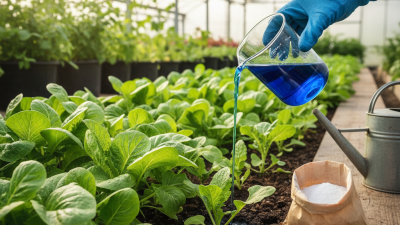
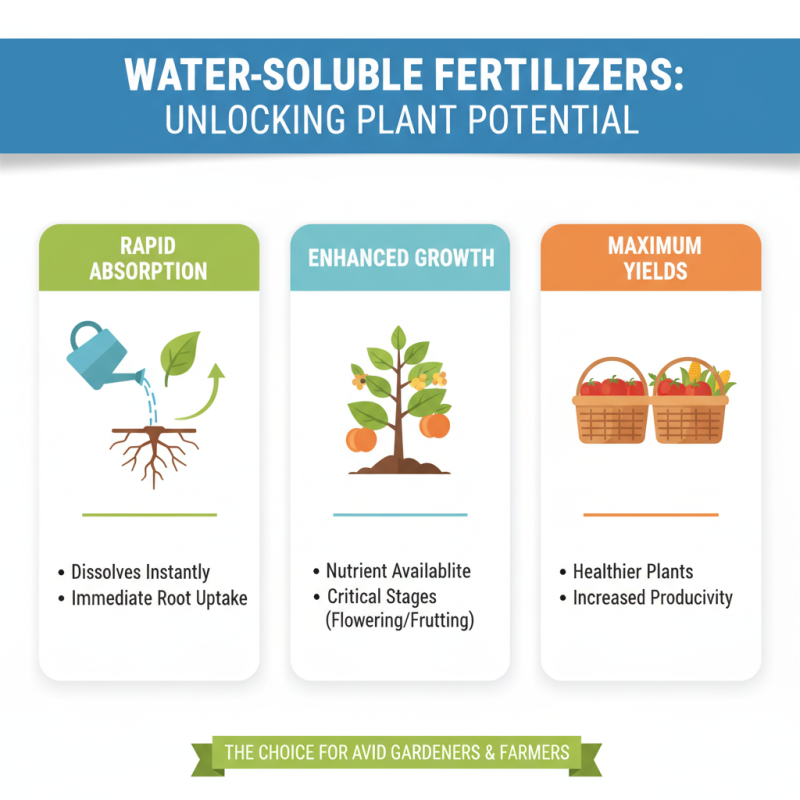
Water soluble fertilizers play a critical role in enhancing nutrient absorption in plants, making them an ideal choice for avid gardeners and farmers alike. Unlike traditional granular fertilizers, water soluble options dissolve easily in water, allowing for immediate uptake by plant roots. This rapid availability of nutrients ensures that plants receive the essential elements they need for growth right when they need them the most, especially during critical development stages such as flowering and fruiting.
Furthermore, the application of water soluble fertilizers can be tailored to meet the specific needs of different plants, as the concentration and type of nutrients can be adjusted based on the plant's growth phase or environmental conditions. This adaptability not only optimizes nutrient absorption but also minimizes waste, as excess nutrients are less likely to leach into the soil. Enhanced nutrient uptake leads to stronger, healthier plants with vibrant blooms, as essential minerals such as nitrogen, phosphorus, and potassium are delivered in a form that plants can readily absorb. Thus, choosing water soluble fertilizers is a proactive approach for anyone looking to promote lush and thriving plant life.
Comparing Water Soluble Flower Fertilizer with Other Fertilizer Types
When comparing water-soluble flower fertilizer to other types of fertilizers, it's essential to recognize the distinct advantages offered by its formulation. Water-soluble fertilizers dissolve quickly in water, allowing for easy application and immediate nutrient availability. This rapid absorption ensures that plants receive the necessary nutrients at critical growth stages, promoting healthier and more vibrant blooms. In contrast, slow-release granules or organic composts often require longer periods to break down, delaying nutrient accessibility. For gardeners looking to achieve quick results, water-soluble options provide a clear edge.
Moreover, water-soluble fertilizers allow for precise control over nutrient delivery. This capability is particularly beneficial for flowering plants, which have specific nutrient needs during their growth cycles. By using a water-soluble formula, gardeners can tailor their feeding regimen to match the requirements of their flowers at various stages, whether it's promoting initial growth or encouraging abundant blooming. Other fertilizer types, such as granular or organic options, can lead to over-fertilization or nutrient lock-up, potentially harming plant growth rather than enhancing it. Therefore, for those aiming for lush and thriving blooms, the flexibility and responsiveness of water-soluble fertilizers make them an excellent choice.
Why Choose Water Soluble Flower Fertilizer for Thriving Blooms?
This chart compares the effectiveness ratings of different types of flower fertilizers on a scale from 1 to 10. Water soluble fertilizers score the highest, indicating their superior ability to promote thriving blooms.
Best Practices for Applying Water Soluble Flower Fertilizer
When it comes to applying water-soluble flower fertilizer, timing and application methods are crucial for achieving vibrant blooms. First, it’s essential to follow a schedule that aligns with the plant's growth phases. Generally, applying fertilizer every 4-6 weeks during the growing season ensures that plants receive adequate nutrients while minimizing the risk of over-fertilization. Early in the growing season, when plants are just beginning to establish themselves, a diluted concentration can boost their initial growth. As the blooms start to develop, a slightly stronger solution can enhance flowering potential.
In addition to timing, the method of application plays a significant role in effectiveness. Water-soluble fertilizers can be mixed with irrigation water, allowing for a uniform distribution of nutrients. This technique ensures that the fertilizer reaches the root zone efficiently. It is also beneficial to apply the solution early in the morning or late in the afternoon when temperatures are cooler. This approach not only reduces evaporation but also alleviates potential stress on the plants. Always observe the plants after fertilization to monitor their response, and adjust the concentration or frequency if necessary.
Why Choose Water Soluble Flower Fertilizer for Thriving Blooms? - Best Practices for Applying Water Soluble Flower Fertilizer
| Aspect |
Details |
| Nutrient Composition |
High in Nitrogen, Phosphorus, and Potassium (N-P-K) for vigorous floral growth |
| Application Frequency |
Every 2-4 weeks during the growing season |
| Dilution Rate |
Typically 1-2 teaspoons per gallon of water |
| Best Time to Apply |
Early morning or late afternoon to prevent evaporation |
| Types of Flowers Benefited |
Roses, Petunias, Geraniums, and Orchids |
| pH Level |
Maintain a pH level of 6.0 to 7.0 for optimal nutrient absorption |
Common Misconceptions About Water Soluble Flower Fertilizers
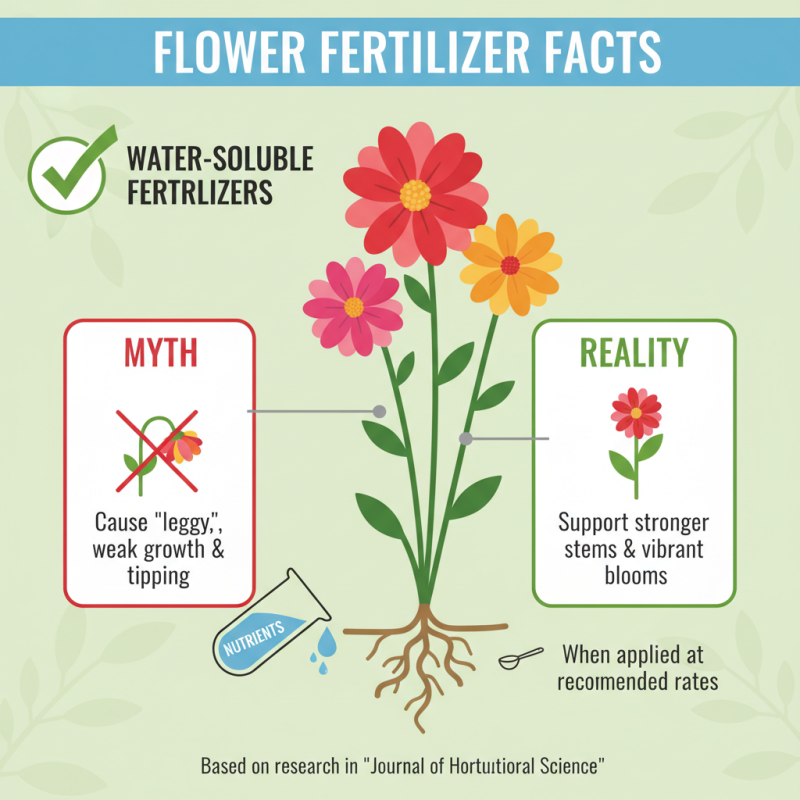
When it comes to fertilizing flowers, many gardeners harbor misconceptions about water-soluble fertilizers. One of the most common myths is that these fertilizers lead to excessive growth, leaving plants vulnerable to tipping or wilting. However, a study published in the "Journal of Horticultural Science" indicates that when applied at recommended rates, water-soluble fertilizers can support healthy growth without overwhelming plants. By providing essential nutrients in a readily absorbable form, these fertilizers ensure that flowering plants receive the right balance of macronutrients, promoting stronger stems and vibrant blooms.
Another misconception is the belief that water-soluble fertilizers can leach away too quickly, making them ineffective. On the contrary, research from a recent horticultural survey highlighted that these fertilizers can be designed with controlled-release properties, ensuring that nutrients are available over an extended period. Moreover, water-soluble formulas have been found to enhance nutrient absorption efficiency, with studies suggesting that plants can absorb up to 95% of the nutrients applied in this form, compared to just 50% from traditional granular fertilizers. By dispelling these myths, it becomes clear that water-soluble flower fertilizers are a viable choice for those seeking to achieve thriving and colorful blooms in their gardens.