What is Water Soluble Liquid Fertilizer Benefits and Uses?
Water Soluble Liquid Fertilizer is gaining popularity in modern agriculture. It offers a convenient way to deliver nutrients directly to plants. This type of fertilizer dissolves easily in water, making it suitable for various applications.
Farmers and gardeners can use Water Soluble Liquid Fertilizer for quick nutrient absorption. This leads to healthier plants and better yields. Many have seen visible improvements in crop growth after switching to this fertilizer. It encourages vibrant foliage and increased flowering.
However, there are limitations to consider. Some may find it expensive compared to traditional fertilizers. Improper use can lead to nutrient burn, harming plants instead of helping them. Understanding the right application methods is crucial for maximizing benefits. Ultimately, Water Soluble Liquid Fertilizer can be an effective tool when used responsibly.
Benefits of Water Soluble Liquid Fertilizer for Plants
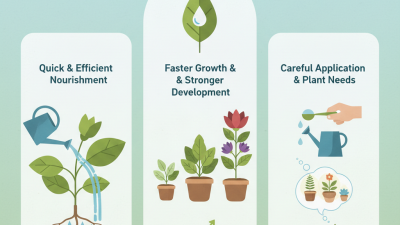
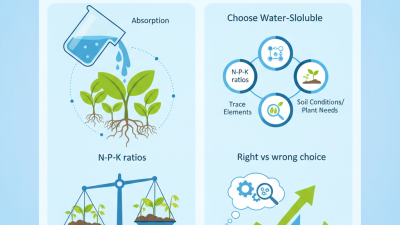
Water-soluble liquid fertilizers offer numerous advantages for plant health and growth. They provide essential nutrients directly to the root zone, allowing for rapid absorption. According to a 2021 study published in the Journal of Plant Nutrition, these fertilizers can improve nutrient uptake by up to 50% compared to granular forms. This efficiency makes them ideal for both home gardening and commercial agriculture, as plants receive nutrients when they need them the most.
The benefits of water-soluble liquid fertilizers extend beyond increased nutrient availability. They enhance crop yields significantly. Research indicates that using these fertilizers can lead to a 20% increase in yields for certain crops, particularly during peak growing seasons. Additionally, water-soluble options reduce the risk of nutrient runoff, promoting environmental sustainability. However, improper application can lead to nutrient imbalances. Over-fertilization can harm plants rather than help them.
Farmers and gardeners should keep this in mind. Monitoring soil health and testing for nutrient deficiencies are essential practices. Each plant type may require different nutrient ratios. Customizing fertilizer use can optimize plant growth. Striking a balance between achieving high yields and maintaining soil health requires careful planning and reflection.
Common Uses of Water Soluble Liquid Fertilizer in Gardening
Water-soluble liquid fertilizers are widely used in gardening due to their immediate availability to plants. These fertilizers dissolve easily in water, allowing for rapid absorption through roots and foliage. According to a report by the National Agricultural Statistics Service, using water-soluble fertilizers can increase crop yields by up to 30% when applied correctly. This efficiency makes them a popular choice among both amateur and professional gardeners.
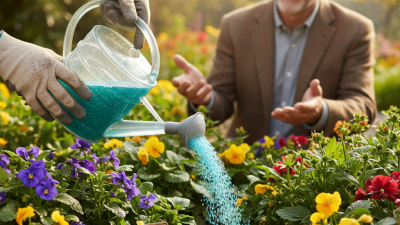
In the gardening world, water-soluble fertilizers are commonly used for a variety of plants, including vegetables, flowers, and houseplants. They can be applied during regular watering or as a foliar spray, which is especially effective for quick nutrient uptake. A study published in the Journal of Soil Science found that plants treated with water-soluble fertilizers exhibited faster growth rates compared to those using granular forms. However, overuse can lead to nutrient burn or leaching, which creates holes in the soil’s nutrient profile.
Gardening enthusiasts often appreciate the flexibility that water-soluble fertilizers provide. They can customize their nutrient applications based on plant needs or soil deficiencies. A soil test can help identify these needs. Still, many gardeners may not test their soil regularly. This oversight can lead to imbalanced nutrient levels. They weigh the convenience of these fertilizers against the potential for misuse. Gardeners must find the right balance for successful growth.
How to Properly Apply Water Soluble Liquid Fertilizer
Water-soluble liquid fertilizers offer remarkable benefits for nurturing plants. Their formulation allows for quick absorption by plants. This enhances nutrient uptake, promoting healthy growth. However, proper application is crucial to maximize effectiveness.
When applying water-soluble fertilizers, dilution is essential. Always follow the recommended mixing ratios. Too much concentration can harm plants rather than help them. Generally, use 1-2 teaspoons per gallon of water for garden use. It’s wise to apply during cooler parts of the day—early morning or late afternoon. This minimizes evaporation and maximizes absorption.
Check the soil moisture before application. Fertilizer works best when the soil is slightly moist. If you notice burn marks on leaves, you may need to adjust your dilution. Regular monitoring of plant health can guide your future applications. Ultimately, understanding your plants’ needs is key. Experiment and adapt to find the right balance for your garden.
Comparing Water Soluble Liquid Fertilizer to Other Fertilizer Types
Water soluble liquid fertilizers offer distinct advantages when compared to traditional granular fertilizers. Research indicates that these fertilizers deliver nutrients more quickly to plants. For example, a study by the American Society of Agronomy shows that nutrients from water soluble options can be absorbed within hours, while granular types may take weeks. This rapid uptake can significantly enhance crop yields, particularly for high-demand plants like tomatoes and specialty flowers.
Another key difference lies in the application methods. Water soluble fertilizers are easily mixed with irrigation systems or foliar sprays, ensuring even distribution. Conventional fertilizers often need tillage and can lead to uneven nutrient application. Additionally, a survey conducted by the International Fertilizer Industry Association found that 70% of horticulture professionals now prefer water soluble fertilizers for their efficiency and ease of use.
However, there are challenges to consider. Water soluble fertilizers can be more prone to leaching if over-applied. This may lead to nutrient runoff, posing environmental risks. Farmers must calibrate their application rates, balancing productivity and sustainability. Research underscores the importance of soil testing to determine nutrient needs precisely. This helps in reducing waste and optimizing performance.
What is Water Soluble Liquid Fertilizer Benefits and Uses? - Comparing Water Soluble Liquid Fertilizer to Other Fertilizer Types
| Fertilizer Type |
Solubility |
Nutrient Release Speed |
Application Method |
Environmental Impact |
| Water Soluble Liquid Fertilizer |
High |
Fast |
Foliar spraying, drip irrigation |
Low if used correctly |
| Granular Fertilizer |
Low |
Slow |
Broadcasting, side-dressing |
Higher leaching potential |
| Slow Release Fertilizer |
Moderate |
Moderate |
Top dressing |
Moderate |
| Organic Fertilizer |
Variable |
Slow |
Soil incorporation |
Low |
Understanding the Nutritional Composition of Water Soluble Liquid Fertilizer
Water soluble liquid fertilizers (WSLF) play a crucial role in modern agriculture. Understanding their nutritional composition helps optimize plant health and yields. WSLFs are typically composed of essential macronutrients like nitrogen, phosphorus, and potassium, along with micronutrients such as iron and zinc. Reports indicate that up to 90% of nutrients from WSLFs can be absorbed by plants rapidly, compared to traditional fertilizers.
The solubility of these fertilizers allows for immediate availability of nutrients, which is vital during the critical growth stages of crops. For instance, a study found that applying WSLF increased tomato yields by over 30% compared to granular options. However, improper application can lead to nutrient leaching and water contamination, posing environmental concerns. Ensuring precise application rates and timing is essential.
Farmers must balance benefits against potential drawbacks. Regular soil testing helps in understanding specific nutrient needs, avoiding overreliance on any single fertilizer type. Monitoring outcomes is crucial to refining practices. Enthusiastically adopting new fertilizers can sometimes overlook long-term soil health. Ultimately, the right approach hinges on informed decisions backed by reliable data and ongoing reflection on farming practices.