What is Water Soluble Nitrogen Rich Fertilizer and How Does it Work?
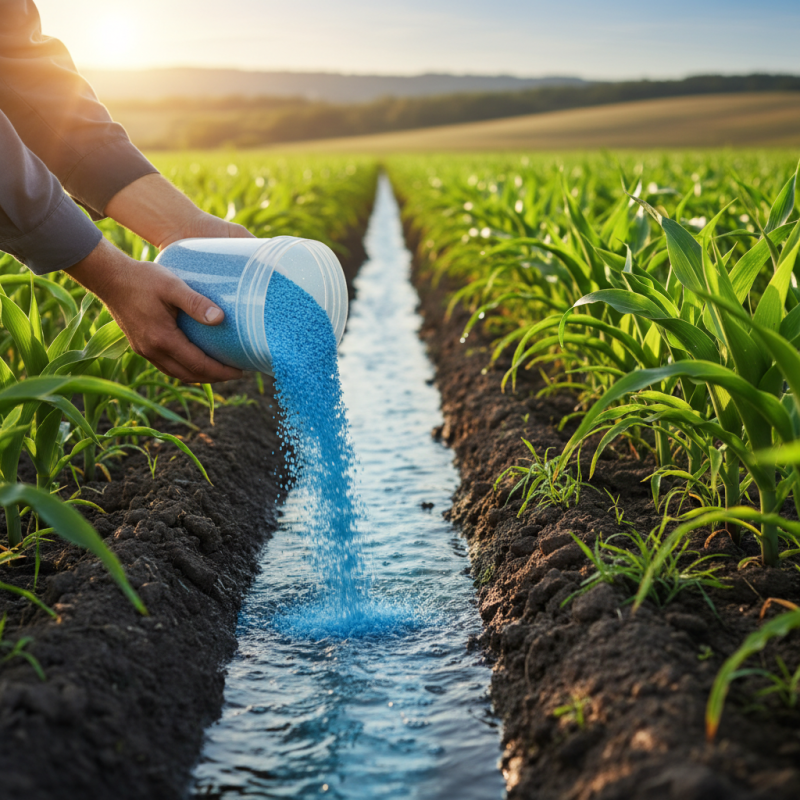
Water Soluble Nitrogen Rich Fertilizer is a vital component in modern agriculture. It offers a concentrated source of nitrogen, essential for plant growth. This type of fertilizer dissolves readily in water, making it ideal for quick nutrient absorption.
Farmers and gardeners often use it to boost crop yields. The ease of application enhances its appeal. However, improper use may lead to nutrient runoff and environmental issues. Balancing application rates is crucial for sustainable practices.
Understanding how Water Soluble Nitrogen Rich Fertilizer works can lead to better crop management. Knowledge of its benefits and drawbacks helps ensure effective use. Therefore, careful consideration of its impact is necessary for long-term farming success.
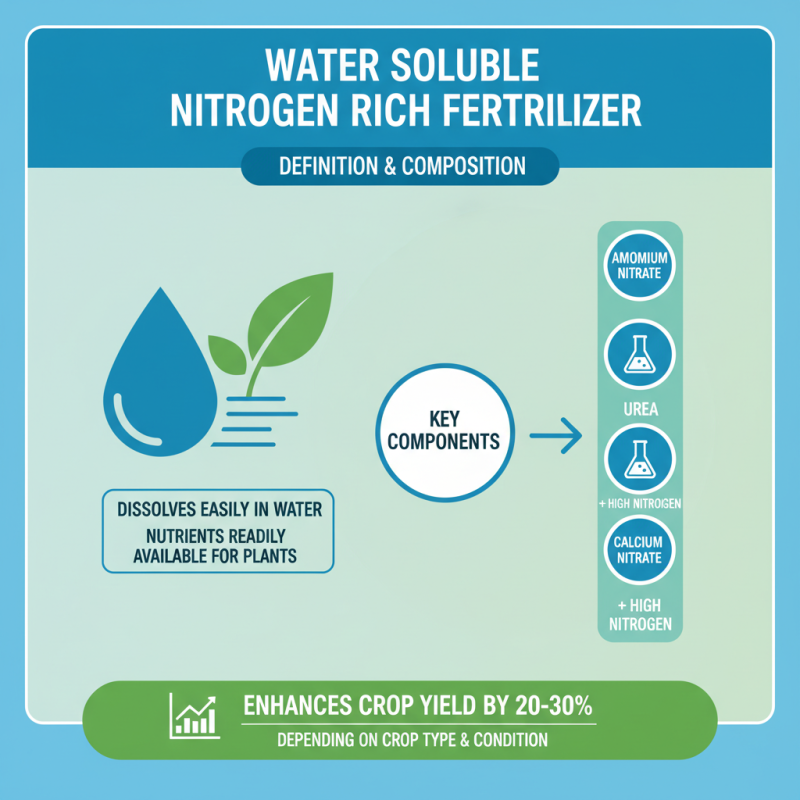
Definition and Composition of Water Soluble Nitrogen Rich Fertilizer
Water soluble nitrogen rich fertilizer is a key component in modern agriculture. This type of fertilizer dissolves easily in water, making nutrients readily available for plant uptake. It typically consists of ammonium nitrate, urea, or calcium nitrate, which are high in nitrogen content. According to industry reports, nitrogen fertilizers can enhance crop yield by 20-30%, depending on the crop type and condition.
The composition of water soluble nitrogen fertilizers is crucial. They provide a quick boost of nitrogen, which is essential for plant growth. When dissolved, they allow for precise application through fertigation systems. This method improves nutrient absorption and reduces wastage. Studies show that improvements in nitrogen use efficiency can result in less environmental impact, a challenge agriculture must face.
However, reliance on these fertilizers raises concerns. Overuse can lead to soil degradation and water pollution. Research indicates that excess nitrogen runoff contributes to harmful algal blooms in waterways. Therefore, while water soluble nitrogen rich fertilizers are effective, their application requires careful management. Balancing benefits with potential risks is vital for sustainable farming practices.
Benefits of Using Water Soluble Nitrogen Rich Fertilizer in Agriculture
Water soluble nitrogen-rich fertilizers offer numerous benefits for agricultural practices. These fertilizers dissolve quickly in water, ensuring that crops receive essential nutrients efficiently. Because nitrogen is crucial for plant growth, its water-soluble form is easily absorbed by plant roots. This maximizes nutrient availability during critical growth stages, leading to healthier crops.
Using these fertilizers can improve crop yields significantly. Farmers often notice a quicker response in plant growth when applying water-soluble nitrogen fertilizers. This rapid uptake allows plants to develop stronger stems and vibrant leaves. However, over-application can lead to nutrient runoff, which may harm the environment. Therefore, precise calculations are essential for effective use.
Moreover, water soluble nitrogen fertilizers can enhance soil health. They help in maintaining the right pH levels and supporting beneficial microbial activity. This creates a balanced ecosystem in the soil. However, relying too heavily on any fertilizer can deplete soil nutrients over time. Diversifying nutrient sources is necessary for sustainable agriculture.
Water Soluble Nitrogen Rich Fertilizer Usage in Agriculture
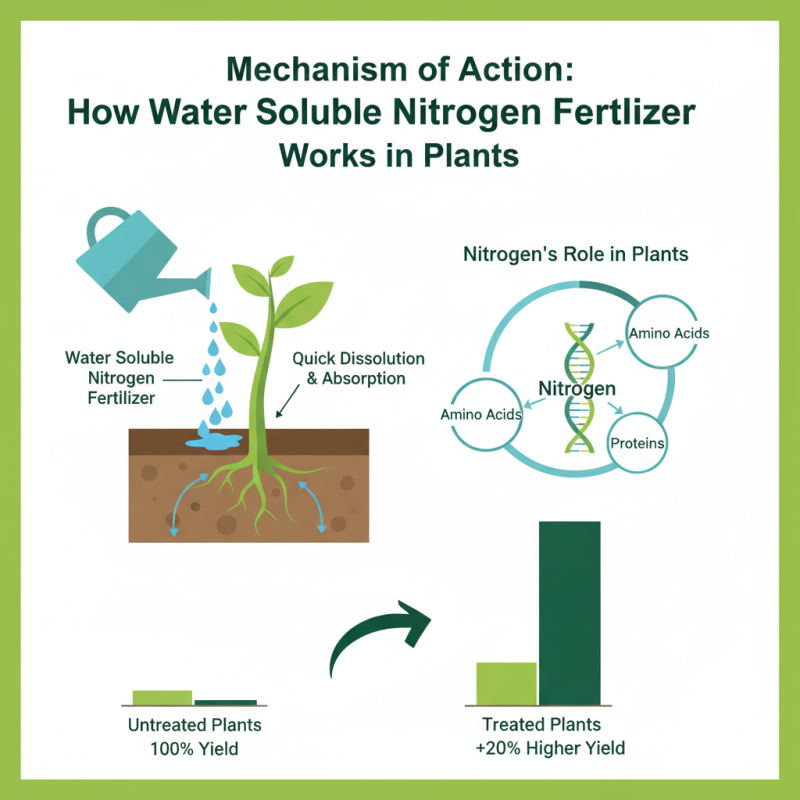
Mechanism of Action: How Water Soluble Nitrogen Fertilizer Works in Plants
Water soluble nitrogen rich fertilizers are essential in modern agriculture. These fertilizers dissolve quickly in water, allowing plants to absorb nitrogen efficiently. Nitrogen plays a critical role in plant growth, serving as a key component of amino acids and proteins. Reports from agricultural studies indicate that crops treated with these fertilizers can achieve up to 20% higher yields compared to those without.
When applied, water soluble nitrogen fertilizers are taken up rapidly through plant roots. This immediate availability enhances photosynthesis and promotes robust vegetative growth. Research shows that the effectiveness of these fertilizers often depends on the soil's pH and moisture levels. For example, a study indicated that increasing soil moisture enhanced nitrogen uptake by nearly 30%. However, excessive application can lead to nutrient leaching, causing potential environmental issues.
Farmers must strike a balance. Monitoring soil health is crucial to optimize the benefits of water soluble nitrogen fertilizers. Understanding the local conditions can prevent over-reliance on these products. Future studies might explore sustainable practices to integrate nitrogen fertilizers without harming the ecosystem. Addressing these challenges is essential for sustainable agriculture.
Application Methods for Water Soluble Nitrogen Rich Fertilizer
Water soluble nitrogen rich fertilizers are essential in modern agriculture. These fertilizers dissolve easily in water, facilitating immediate absorption by plants. This characteristic makes them suitable for a variety of application methods.
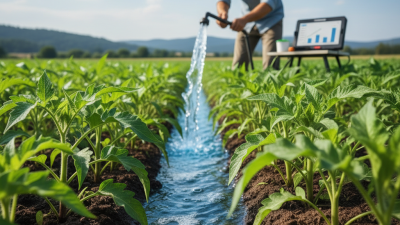
One common method is fertigation. This involves mixing the fertilizer with irrigation water. According to the International Fertilizer Association, fertigation can increase nutrient uptake efficiency by up to 30%. However, improper application can lead to nutrient runoff and environmental issues. Farmers must monitor pH levels and water quality to ensure optimal results.
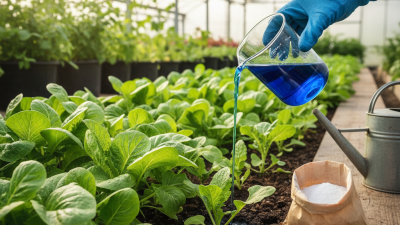
Foliar spraying is another effective method. This involves applying the fertilizer directly onto plant leaves. Research from the Journal of Plant Nutrition suggests that nitrogen uptake through leaves can be 50% more efficient than through roots. Yet, excessive application can cause leaf burn. It's vital to follow recommended application rates. Understanding the specific needs of crops will lead to a more productive use of water soluble nitrogen rich fertilizers while safeguarding our environment.
Comparison with Other Types of Nitrogen Fertilizers and Their Uses
Water-soluble nitrogen-rich fertilizers are becoming popular in agricultural practices. They are easy to apply, as they dissolve quickly in water. This property allows for effective nutrient uptake by plants. The rapid availability of nitrogen promotes healthy growth and higher yields.
When comparing water-soluble nitrogen fertilizers to other types, several differences emerge. Traditional fertilizers often release nutrients slowly. This slow release can lead to nutrient loss due to leaching. In contrast, water-soluble options provide more immediate benefits, especially for plants in critical growth stages. However, overuse can lead to nutrient runoff and environmental concerns.
Organic nitrogen fertilizers offer another alternative. They are typically slower to break down. This characteristic can be beneficial for long-term soil health but may not support quick plant needs. Each fertilizer type has unique pros and cons. Understanding how to balance them is essential for sustainable farming. It's crucial to assess soil needs and plant requirements for optimal results.
What is Water Soluble Nitrogen Rich Fertilizer and How Does it Work?
| Fertilizer Type |
Nitrogen Content (%) |
Solubility in Water |
Release Rate |
Best Use Case |
| Water Soluble Nitrogen Fertilizer |
20-30% |
High |
Rapid Release |
Fast-growing crops |
| Urea |
46% |
Moderate |
Slow to Moderate |
General-purpose |
| Ammonium Nitrate |
34% |
High |
Moderate |
Leafy greens |
| Calcium Nitrate |
15.5% |
High |
Rapid Release |
Fruiting plants |
| Potassium Nitrate |
13% |
High |
Rapid Release |
Enhancing fruit quality |