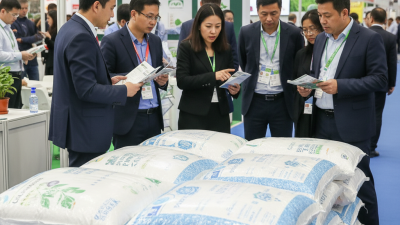
China Top Water Soluble Phosphatic Fertilizers for Global Buyers?
China has emerged as a leader in producing Water Soluble Phosphatic Fertilizers, which are vital for enhancing crop yield and improving soil health. These fertilizers are known for their quick absorption by plants. This feature is essential for farmers seeking efficient nutrient management. Global buyers are increasingly turning to Chinese manufacturers for high-quality products.
While the market is promising, challenges persist. Not all Chinese fertilizers meet international quality standards. Buyers must be cautious and conduct thorough research. Verified suppliers with a good track record should be prioritized. The importance of certification cannot be understated. This ensures the products are reliable and effective.
Navigating this sector requires expertise and diligence. As agricultural demands evolve, understanding the best options becomes crucial. Utilizing Water Soluble Phosphatic Fertilizers can significantly impact agricultural productivity. However, buyers must remain vigilant and informed about the landscape of Chinese suppliers.
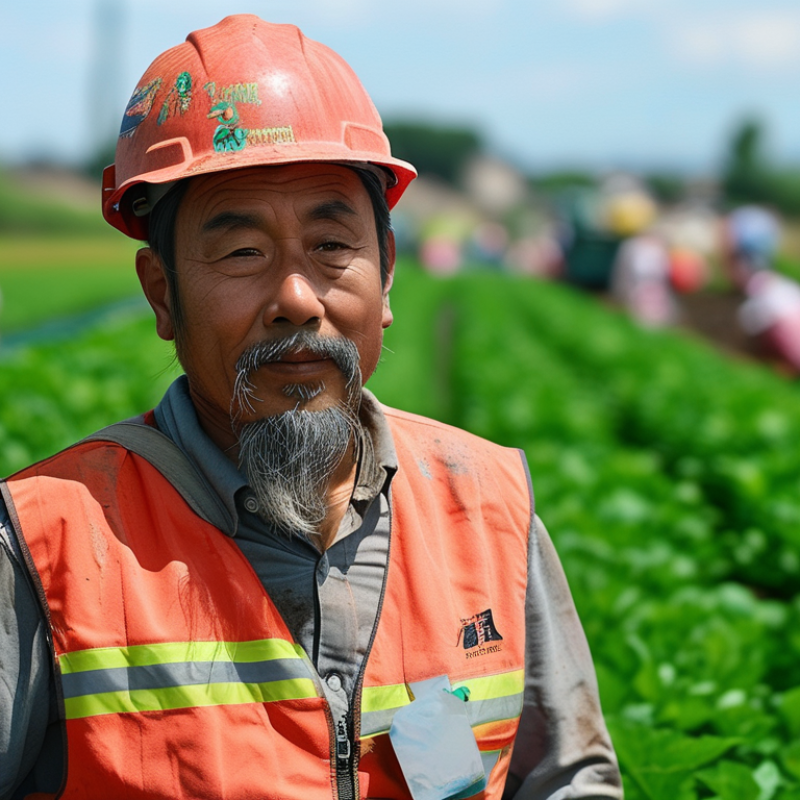
Overview of Water Soluble Phosphatic Fertilizers in China
Water-soluble phosphatic fertilizers play a vital role in agriculture. They are crucial for enhancing crop yield and improving soil quality. In China, the production and use of these fertilizers have gained significant attention from farmers and agronomists alike.
China's agricultural sector relies heavily on effective fertilizers. Water-soluble phosphatic fertilizers dissolve in water, allowing for immediate availability to plants. Unlike traditional fertilizers, they minimize nutrient loss and promote better nutrient uptake. This efficiency leads to healthier crops and potentially higher profits for farmers. However, challenges remain. Environmental concerns about over-fertilization are increasing. Farmers must balance effective fertilization with sustainable practices.
The market for these fertilizers in China is evolving. Increased demand from global buyers drives innovation and research. Producers are exploring new formulations to enhance effectiveness. However, inconsistencies in quality remain an issue. Ensuring product reliability is essential for farmers. Greater collaboration between manufacturers and agricultural experts could help address this challenge. As China continues to refine its approaches, the global agricultural community watches closely.
Key Characteristics and Benefits of Water Soluble Phosphatic Fertilizers
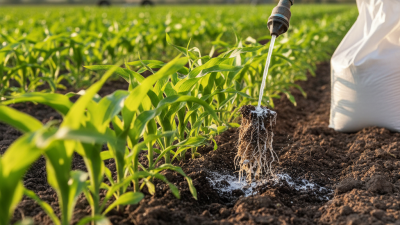
Water-soluble phosphatic fertilizers are gaining traction in agriculture due to their unique characteristics. These fertilizers dissolve quickly in water, making them readily available for plant uptake. They can provide a rapid boost of essential nutrients, especially phosphorus, which is crucial for plant growth. Farmers appreciate how easily these fertilizers can be integrated into irrigation systems, ensuring uniform nutrient distribution.
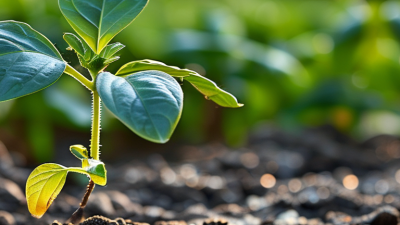
One major benefit is their ability to enhance plant root development. Healthy roots lead to stronger plants and better yields. However, using these fertilizers also requires careful management. Overapplication can lead to nutrient runoff, impacting water quality. This raises questions about efficiency and environmental sustainability. The right balance is essential.
Farmers need to remain informed about the specific needs of their crops. This helps in choosing the appropriate fertilizer formulations. While water-soluble phosphatic fertilizers offer significant advantages, understanding their limitations is key. Experience and attention to detail can lead to better farming practices. Grounded knowledge paves the way for successful crop production in an ever-evolving agricultural landscape.
Top Characteristics and Benefits of Water Soluble Phosphatic Fertilizers
Major Producers of Water Soluble Phosphatic Fertilizers in China
China is a leading producer of water-soluble phosphatic fertilizers. These fertilizers are essential for efficient crop growth. They dissolve completely in water, making nutrients easily accessible to plants. This characteristic enhances their effectiveness compared to traditional fertilizers. The production process involves advanced technology and rigorous quality control.
The major producers in China have focused on innovation. They utilize modern manufacturing techniques to improve efficiency. Many companies are adopting sustainable practices in their production. This shift reflects a growing awareness of environmental responsibilities. However, challenges remain. Some manufacturers struggle with consistent quality control. This inconsistency can affect agricultural yields.
Competition among producers is fierce. Companies are continuously looking for ways to differentiate themselves. While some focus on price, others prioritize quality and sustainability. Buyers should evaluate options carefully. Understanding the strengths and weaknesses of different producers is crucial. This knowledge can lead to better purchasing decisions in the competitive global market.
Global Market Trends and Demand for Phosphatic Fertilizers
The global market for phosphatic fertilizers is evolving rapidly. As agriculture intensifies and demand for food rises, buyers are seeking effective solutions.
Water-soluble phosphatic fertilizers offer a unique advantage; they dissolve easily in water, enhancing nutrient availability for crops. This efficiency appeals to farmers aiming for higher yields.
Market trends show a growing preference for sustainable practices. Buyers seek fertilizers that not only meet production needs but also minimize environmental impact. Organic farming methods, which often utilize water-soluble phosphates, are gaining traction. However, some farmers struggle with the transition towards these methods. They need education and support to make informed decisions.
Additionally, the availability of products varies by region. Some areas may experience shortages, impacting farmers' choices. Reliable supply chains are vital for ensuring consistent access to these fertilizers.
The industry must reflect on how to address these challenges while maintaining quality and sustainability. Buyers need to stay informed about these dynamics, ensuring they choose the best options for their unique agricultural contexts.
Guidelines for International Buyers: Sourcing and Quality Considerations
When sourcing water-soluble phosphatic fertilizers, international buyers must prioritize
quality and reliability. According to a report by MarketsandMarkets, the global market for
water-soluble fertilizers is expected to reach $9 billion by 2025, driven by
increasing agricultural productivity needs. This highlights the significance of sourcing from
reputable suppliers that adhere to stringent production standards.
Quality considerations are vital. Buyers should demand transparency in manufacturing processes.
A study by Grand View Research indicates that fertilizers with high solubility improve crop
uptake and efficiency, influencing overall yield. Verifying product specifications and certifications
can help ensure that fertilizers meet industry standards.
It’s essential to be mindful of varying regulations in different regions. The complexity of international
trade may lead to challenges in compliance. Importers must understand local regulations regarding nutrient
content and safety. This can prevent costly mismatches and ensure effective application in the field.
Suppliers may not always provide clear information, requiring diligence from buyers.