China Top 10 Water Soluble Organic Nitrogen Brands?
China’s water-soluble fertilizer market includes many manufacturers, but product quality can vary considerably. This guide examines ten notable Chinese brands associated with Water Soluble Organic Nitrogen Fertilizer.
The evaluation considers more than brand visibility. It reviews nitrogen sources, stated nutrient content, solubility, raw-material traceability, and production standards. Practical performance matters too. A good product should dissolve evenly in a mixing tank, leave minimal sediment, and support consistent application through fertigation or foliar spraying. Crop safety also deserves attention, especially when products are used on vegetables, fruit trees, and greenhouse crops.
Field experience can reveal details that brochures often miss. Does the solution remain stable after several hours? Is the odor manageable? Can the supplier provide batch testing and clear application guidance? These questions matter.
Documentation matters.
Reliable manufacturers should provide product specifications, safety information, quality certificates, and testing data for heavy metals and microbial safety where relevant. Buyers should also confirm registration and labeling requirements in the destination market. Standards differ by country, and one product may not suit every crop or irrigation system.
No ranking is perfect. Supplier capacity, formulation changes, and regional service can influence results. Therefore, this overview should support careful comparison rather than replace local trials. Small-scale testing is sensible before wider use. By examining technical evidence, customer feedback, manufacturing experience, and after-sales support, readers can identify brands that offer practical value instead of relying only on attractive claims.
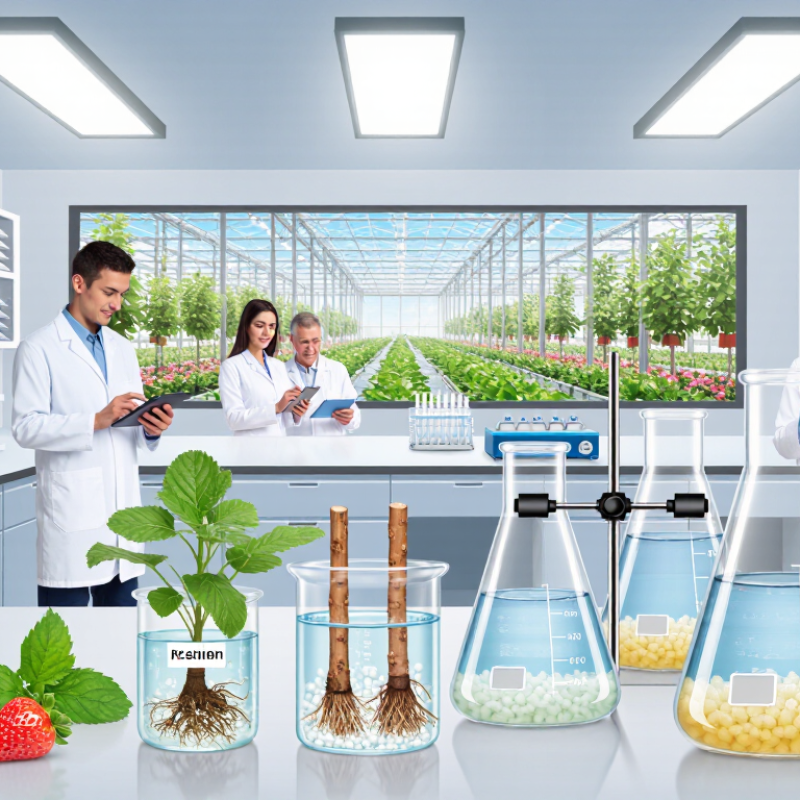
What Is Water-Soluble Organic Nitrogen Fertilizer?
Water-soluble organic nitrogen fertilizer is a liquid or soluble powder made from carbon-based nitrogen sources. Common sources include amino acids, protein hydrolysates, plant extracts, and compost-derived materials. Unlike many mineral fertilizers, it may release nitrogen gradually through microbial activity. Its exact behavior depends on processing, temperature, soil biology, and moisture.
This fertilizer supports leaf growth without delivering nitrogen alone. Organic compounds can also provide small amounts of carbon and other nutrients. However, “organic” does not always mean slow, gentle, or suitable for every crop. A concentrated solution can scorch roots or leaves. Field results may also vary between sandy soil and heavy clay. Testing a small area is wiser than trusting a label completely. That is an imperfect step, but it prevents expensive mistakes.
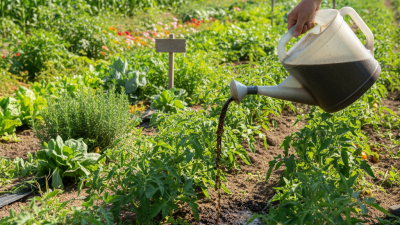
Tips: Check the nitrogen percentage and source before buying. Dilute according to the product instructions, then apply to moist soil or clean foliage. Avoid mixing it with strongly alkaline materials unless compatibility is confirmed. Store it away from heat and direct sunlight. Watch new leaves, root color, and soil odor for one week. If growth becomes overly soft or pale, reduce the application rate and review the full fertilization plan.
How China’s Top 10 Brands Are Selected and Compared
China’s top 10 water soluble organic nitrogen producers should be selected through evidence, not online visibility. A credible comparison begins with verified manufacturing records, product certificates, laboratory results, and recent batch samples. FAOSTAT tracks fertilizer use and trade, but it does not isolate water soluble organic nitrogen products. That limitation matters. Any ranking claiming perfect market coverage deserves caution.
The comparison model can use five measurable areas: nitrogen content, solubility, organic nitrogen proportion, batch consistency, and field performance. Independent testing should check total nitrogen, amino acid or peptide content, moisture, pH, insoluble residue, and heavy-metal limits. A product may dissolve quickly in a glass beaker yet perform poorly in cold irrigation water. Real farm trials are essential. I would give laboratory quality 35 percent, manufacturing reliability 25 percent, agronomic evidence 20 percent, compliance 10 percent, and service 10 percent.
Market context also helps interpret results. The International Fertilizer Association’s 2024 medium-term outlook reports continuing global demand for more efficient nutrient use, while FAO publications emphasize nutrient management and application efficiency. These reports support tighter screening, not automatic rankings. Public data remains uneven. Some suppliers disclose complete test methods; others publish only nitrogen percentages. That is a weakness worth recording. A transparent top-10 list should show testing dates, sample origins, scoring rules, and uncertainty ranges, allowing buyers to challenge the result.
This chart presents a transparent, brand-neutral framework for selecting and comparing China’s top water-soluble organic nitrogen products. The percentages are editorial screening weights rather than company rankings. Product evidence should be verified through labels, technical data sheets, batch test reports, and applicable Chinese fertilizer standards.
Product Types, Nutrient Profiles, and Application Methods
China Top 10 Water Soluble Organic Nitrogen Brands?
China’s leading water soluble organic nitrogen products differ more than their labels suggest. A useful comparison should examine product type, nitrogen source, and field performance. Common types include amino acid solutions, enzymatic protein hydrolysates, peptide fertilizers, fish-based hydrolysates, plant-based extracts, and chitosan-derived formulations. Each has a different nutrient profile.
Free amino acids act quickly, while short peptides may support steadier uptake. Total nitrogen alone can mislead. Buyers should check organic nitrogen percentage, amino nitrogen, peptide content, pH, salinity, moisture, and chloride levels.
Some products also provide small amounts of potassium, sulfur, or trace elements. Those additions may help, but they can complicate accurate comparisons. Labels sometimes promise too much.
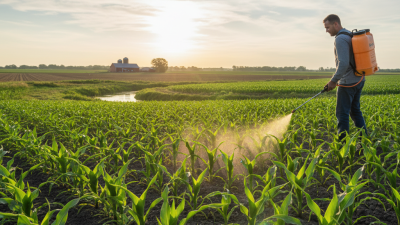
Application method matters. Foliar sprays need clean water, fine droplets, and moderate temperatures. Apply during cooler morning hours. Fertigation works well when the solution fully dissolves and filters remain clear. Root drenches suit seedlings, transplant recovery, and stressed plants.
Always perform a small jar test before mixing with calcium, strong acids, alkaline materials, or concentrated pesticides. Dosage should follow crop stage, leaf sensitivity, and soil conditions, not habit.
In my experience, a lower rate repeated carefully often performs better than one heavy application. Yet this is not universal. Weather, irrigation quality, and crop variety can change the result. One greenhouse trial is useful, but insufficient evidence for every farm.
How to Choose a Suitable Chinese Organic Nitrogen Brand
Choosing a suitable Chinese organic nitrogen brand requires more than reading a “Top 10” list. Rankings often reflect visibility, not agronomic value. FAOSTAT’s Fertilizers by Product database records China as one of the world’s largest nitrogen fertilizer users, with roughly 30 million tonnes of nitrogen nutrients applied in recent reporting years. That scale makes supplier screening important, especially for greenhouse crops and high-value vegetables.
Check the product’s total nitrogen, organic nitrogen percentage, amino acid or peptide source, solubility, pH, and moisture. Request recent batch certificates, not only a promotional specification sheet. Independent laboratory results should cover heavy metals, microbial safety, and nutrient consistency. Chinese agricultural standards, including NY/T 525 for organic fertilizer quality, provide useful reference points, but they may not answer every question about water-soluble performance. My own screening is not flawless. Field evidence still matters more than a polished brochure.
Tips: Compare at least three batches from each shortlisted supplier. Test a small plot before wider use. Record application rate, crop stage, leaf color, root growth, and yield. The FAO Fertilizer and Plant Nutrition guidance emphasizes matching nutrients with crop demand and soil conditions. A supplier offering traceability, technical support, and transparent testing is usually safer than the cheapest option. Ask how quickly they replace inconsistent material. That answer can reveal more than the product label.