Water Soluble Fish Fertilizer is used to supply plants with soluble nutrients through watering or foliar application. Gardeners commonly use it as a supplemental feed for vegetables, flowers, seedlings, and container plants. Its nutrient balance varies by product, so the label—not the word “fish”—should guide application.
The market is growing, but the figures need context. Grand View Research estimated the global organic fertilizer market at about USD 10.18 billion in 2023; that category includes many products, not fish fertilizer alone. Horticulturist Linda Chalker-Scott of Washington State University is often quoted: “Plants don’t care where their nutrients come from.” The practical point is to match nutrients to plant needs, rather than assume an organic source is automatically suitable.
Use a measured dose. Pouring extra concentrate around young roots can be counterproductive, and repeated feeding without checking soil or plant response may waste nutrients. A dilute solution can be convenient for regular feeding, while a watering can offers control over where it lands. It may smell. That matters on a sunny patio. This guide explains what Water Soluble Fish Fertilizer can support, how to apply it carefully, and where its limits deserve a closer look.
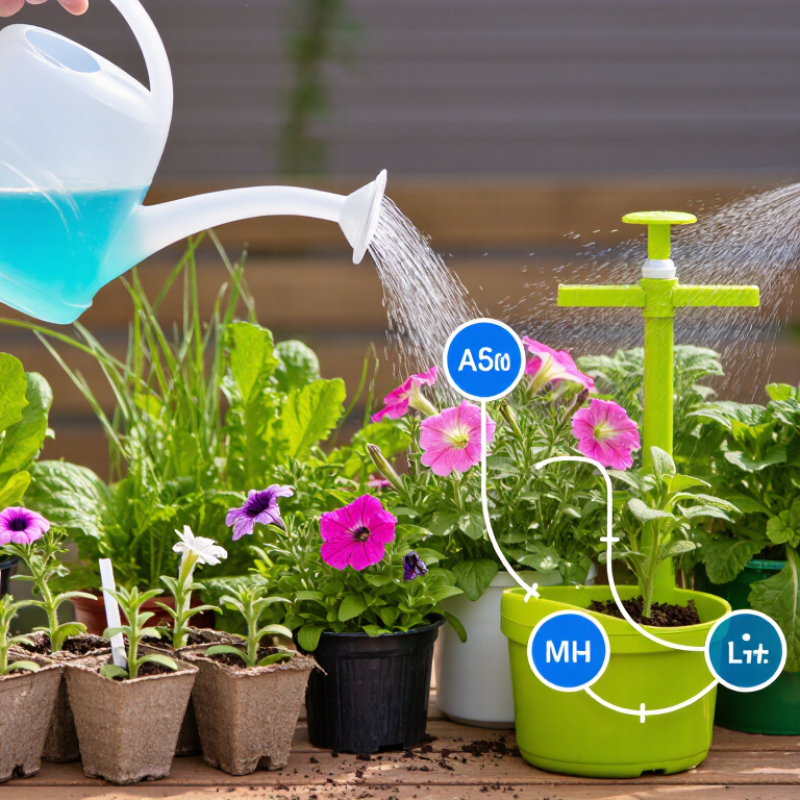
Water-soluble fish fertilizer is a liquid plant nutrient made from fish tissues and processing leftovers. It commonly supplies nitrogen and smaller amounts of phosphorus, potassium, and trace minerals. Its exact nutrient content varies with the raw material and manufacturing method, so the product label matters.
The word “soluble” can be a little misleading. Some liquids are fish hydrolysates, made by breaking fish material down with enzymes or acids at controlled temperatures. Others are emulsions, where finely processed fish oils and solids stay dispersed in water. The mixture may be screened to remove larger particles, then stabilized and packaged. It can smell strongly fishy. That is normal, though a sour or rancid odor may signal poor storage.
A useful detail: manufacturing choices affect what remains in the liquid. Gentle enzymatic processing can preserve more delicate organic compounds, while heat-based processing may change them. Not every batch is identical. For gardeners, this means dilution instructions and nutrient analysis are more dependable than assumptions based on the word “fish.” A small amount mixed into a watering can should look evenly blended, not leave obvious clumps. Shake well. Avoid guessing the dose; too much fertilizer can stress roots, and foliar use may mark leaves in hot sun.
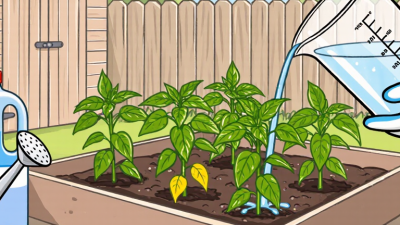
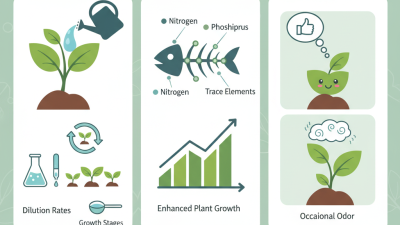
Water-soluble fish fertilizer supplies nutrients in a form that can be mixed into irrigation water. Its nutrient balance varies by formulation and processing, so the label matters. Most types provide nitrogen, phosphorus, and potassium. Nitrogen supports leaf and stem growth, while phosphorus contributes to energy transfer and root development. Potassium helps regulate water movement and supports normal plant functions. Some formulations also contain small amounts of micronutrients, but amounts differ. Check the label. Fish fertilizer is not automatically a complete plant food.
Once diluted, dissolved nutrients move through the soil water around roots. Root surfaces absorb nutrient ions, which then travel through the plant’s transport system. Nitrogen may be present in forms such as ammonium or nitrate; plants take up both, though their effects on soil can differ. Phosphorus moves slowly through soil, making placement near active roots useful. Potassium is absorbed from the soil solution. Moist soil helps roots access these nutrients, but waterlogged soil can restrict root function. Foliar application may provide some nutrients through leaf surfaces, though it does not replace healthy roots. Dilute carefully. Too much fertilizer can injure roots or leaves, especially in containers. It is tempting to call fish fertilizer complete, but whether it meets a plant’s needs depends on the crop, soil, and growing conditions.
Water-soluble fish fertilizer can supplement feeding in vegetable beds, flower borders, and established garden plants. Its dissolved nutrients are readily available after watering, making it useful when plants show slow, pale growth and need a modest nutrient boost. Nutrient levels vary, so check the analysis and dilute exactly as directed. More is not better. Applying concentrated fertilizer to dry soil can stress roots, and fish fertilizer alone may not supply every nutrient a crop needs.
On lawns, use it as a targeted supplement, not a substitute for a measured lawn program. UMass Amherst Extension’s turf guidance places annual nitrogen needs at roughly 1–4 pounds per 1,000 square feet, depending on grass type and maintenance. A dilute fish product may contribute some nitrogen, but its label analysis determines how much. Avoid repeated applications by guesswork. Excess fertilizer can run off during rain or irrigation.
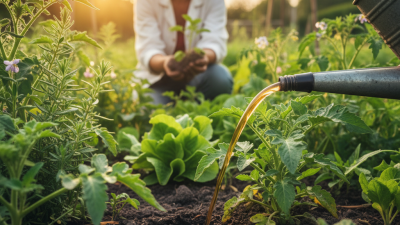
Container plants can benefit from diluted liquid feeding because frequent watering carries nutrients out through drainage holes. University of Minnesota Extension guidance notes that nutrients in containers are depleted through watering and plant growth, so regular feeding may be needed. Apply to moist potting mix, not bone-dry media, and watch leaves for changes. The easy mistake is feeding on a calendar when a plant is already stressed; I would check moisture and growth first.
Water-soluble fish fertilizer supplies nutrients that plants can absorb through roots or leaves. Concentrations vary, so follow the product label rather than guessing the dilution. Measure carefully. Too much fertilizer can scorch roots or leaves, and stronger mixes do not guarantee faster growth.
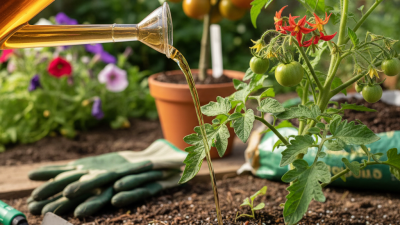
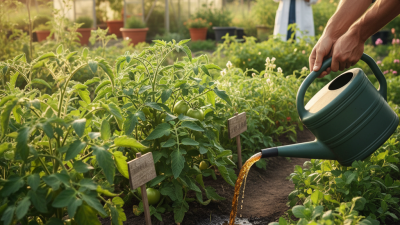
For soil application, mix the fertilizer with water as directed. Apply it to already moist soil around the root zone, keeping it off stems and away from plant crowns. Water gently afterward if the label recommends it. In containers, pour slowly and stop before the potting mix becomes waterlogged. Avoid letting runoff enter drains or ponds.
For foliage, use a clean sprayer and the label’s foliar dilution. Mist both sides of the leaves until lightly coated, not dripping. Apply in the cool morning or evening, never to hot, drought-stressed plants. Test a few leaves first and wait a day or two for any damage. Results can be uneven; leaf age, weather, and soil conditions all matter. I would not assume a pale leaf needs fertilizer alone—poor drainage or other stress can look similar. Reapply only at the stated interval, and avoid spraying edible leaves close to harvest unless the label permits it.
Water-soluble fish fertilizer supplies nitrogen and other nutrients that can support leafy growth, but it cannot fix poor soil. It may also smell strongly. Nutrient levels vary by product, so check the label and dilute it as directed. A stronger mix is not a shortcut; excess fertilizer can damage roots or leave plants with too much nitrogen. If a plant’s leaves are pale, check watering and growing conditions before assuming it needs more feed.
Store the concentrate in its original, tightly closed container, away from direct sun, heat, and freezing temperatures. Keep it out of reach of children and pets. Some products settle during storage; shake only if the label recommends it. Use clean measuring tools, and do not pour leftover concentrate into a storm drain or nearby water. Small spills happen. Wipe them up promptly, then wash your hands and tools. Wear gloves, avoid splashing it into your eyes, and avoid breathing dust if handling a powdered form. If the smell or texture changes noticeably, pause and follow the manufacturer’s storage guidance rather than guessing. I have found that careful measuring matters more than frequent feeding, though it is easy to overestimate what a struggling plant needs.
Fish fertilizer is commonly used as a diluted soil drench or foliar feed. This chart gives a qualitative guide to common uses—not a product-specific application rate. Nutrient content and directions vary, so follow the product label.
Limitations and safe handling: Fish fertilizer is not a complete substitute for a soil test or a balanced nutrient plan. Avoid overapplication, which can harm plants and contribute to runoff. Store the sealed container in a cool, dry place as directed on its label, and wear gloves while mixing and applying.