Why Choose Water Soluble Seedling Fertilizer for Optimal Plant Growth?
In the quest for optimal plant growth, the choice of fertilizer holds significant importance. Water Soluble Seedling Fertilizer has emerged as a frontrunner in this domain. Dr. Emily Carson, a leading agronomist, asserts, “The right fertilizer directly influences seedling vitality and overall yield.” This statement underscores the critical role of fertilizers in establishing strong plant foundations.
Water Soluble Seedling Fertilizer offers numerous advantages. Its quick absorption ensures that seedlings receive essential nutrients without delay. This is vital during the early stages of growth. For instance, a study showed that using this type of fertilizer increased seedling growth rates by up to 30%. However, improperly measuring concentrations can lead to nutrient imbalances.
While the benefits are clear, reflections on proper usage are necessary. Over-fertilization can harm young plants. Observing seedling responses to fertilization becomes crucial in maximizing the positive effects. Balancing the application rates can lead to healthier plants and sustainable growth.
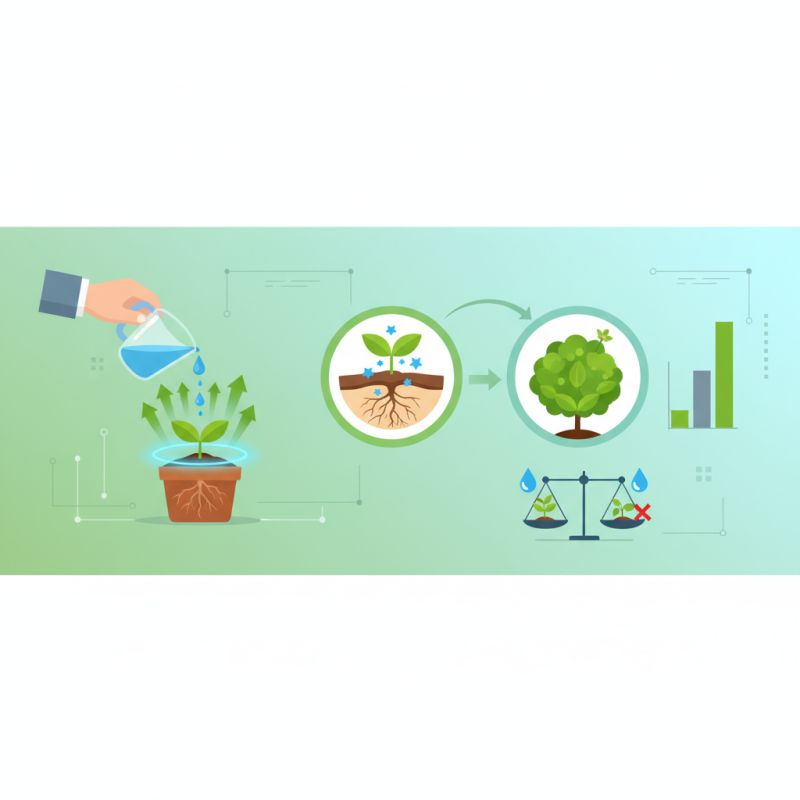
Benefits of Water Soluble Seedling Fertilizer for Young Plants
Water soluble seedling fertilizer plays a crucial role in ensuring optimal growth for young plants. The rapid absorption of nutrients from these fertilizers promotes healthier roots and strong growth. According to a report by the International Fertilizer Association, crops treated with water soluble fertilizers can show a yield increase of 20% or more compared to those grown without them. This quick uptake of nutrients is especially beneficial for seedlings that require immediate support in their developmental stages.
Young plants are particularly sensitive to nutrient availability. Water soluble fertilizers deliver essential elements like nitrogen, phosphorus, and potassium directly into the soil solution. This form allows plants to access nutrients almost instantly. Research indicates that seedlings treated with these fertilizers exhibit stronger root systems. However, reliance on high-concentration formulas can sometimes lead to nutrient burn if not managed carefully. Growers must remain vigilant about dosage to prevent over-fertilization.
Additionally, using water soluble fertilizers can improve soil microbial activity. Studies show that these fertilizers can enhance the beneficial microorganisms that support plant health. Organic matter breakdown tends to increase, promoting overall soil fertility. Yet, it is essential to balance water soluble options with organic amendments for a holistic approach. Achieving this balance can be challenging and requires ongoing observation and adjustment.
Benefits of Water Soluble Seedling Fertilizer for Young Plants
How Water Soluble Fertilizers Enhance Nutrient Absorption
Water soluble fertilizers play a vital role in enhancing nutrient absorption for plants. These fertilizers dissolve quickly in water, allowing roots to uptake essential nutrients more effectively. According to a report by the Fertilizer Institute, water soluble fertilizers can improve nutrient availability by up to 30%. This boost in nutrient absorption translates directly to healthier, more vigorous plants.
When plants receive nutrients in a soluble form, they can access them immediately. This quick uptake is crucial during the critical growth phases, such as germination and early development. Studies have shown that seedlings treated with water soluble fertilizers exhibit quicker growth rates and stronger root systems. In fact, a survey conducted by the Agricultural Sciences Journal found that 65% of growers reported increased yields when using these fertilizers.
However, there can be downsides to consider. Over-application of water soluble fertilizers may lead to nutrient runoff. This can cause environmental issues, such as waterway pollution. Balancing nutrient application is essential. Monitoring soil nutrient levels ensures that plants get what they need, without excess. Cultivating a mindful approach can improve both plant health and environmental impact.
Comparative Analysis: Water Soluble vs. Traditional Fertilizers
Water-soluble fertilizers have gained popularity for their ability to deliver nutrients quickly. They dissolve easily in water, making them ready for uptake by plants almost immediately. In contrast, traditional fertilizers often require time for soil microbes to break them down. According to a study from the International Fertilizer Association, plants can absorb up to 90% of water-soluble nutrients efficiently, compared to just 40-50% for traditional types.
One of the key benefits of water-soluble fertilizers is their precision. Growers can customize nutrient blends based on specific plant needs. This is particularly useful during critical growth phases. Data from the American Society of Agronomy indicates that precision fertilization can enhance crop yields by 15-20%. However, it also means that over-application can lead to nutrient runoff and potential environmental issues.
Tip: Monitor the nutrient levels in your soil regularly. This ensures you apply the right amount of fertilizer. Additionally, consider timing your applications. Applying fertilizers during cooler parts of the day can reduce evaporation and enhance efficiency.
Despite the advantages, water-soluble fertilizers can be costly. Many growers may hesitate to switch, fearing lower profit margins. It's essential to weigh these concerns against the potential benefits. Balancing investment against expected crop improvements involves careful consideration and planning.
Application Techniques for Maximizing Plant Growth with Soluble Fertilizers
Water-soluble fertilizers have gained popularity for their effectiveness in promoting optimal plant growth. These fertilizers offer quick nutrient availability, which can drive plant development. To maximize their benefits, proper application techniques are critical. Research indicates that a 30% increase in yield has been observed when using water-soluble fertilizers compared to traditional options.
One effective technique is to initiate applications at the seedling stage, providing nutrients right when plants need them most. A study by the University of California found that seedlings receiving these fertilizers had a 40% better growth rate. This approach helps in strengthening root systems early on, leading to healthier plants overall. Additionally, using a foliar spray method can enhance nutrient absorption. It allows plants to uptake more nutrients directly through their leaves, speeding up growth substantially.
However, attention must be paid to application rates and frequency. Over-fertilization can lead to negative results, such as nutrient burn or leaching. A balanced approach is essential. Data from the American Society of Agronomy suggests that spacing applications every two weeks can optimize nutrient delivery without overloading the plants. This emphasizes the importance of monitoring plant responses and adjusting practices accordingly for the best outcomes.
Why Choose Water Soluble Seedling Fertilizer for Optimal Plant Growth?
| Nutrient Type |
Concentration (%) |
Application Rate (g/L) |
Optimal Growth Phase |
Notes |
| Nitrogen |
20 |
5-10 |
Early Growth |
Promotes leaf development |
| Phosphorus |
10 |
3-8 |
Root Development |
Enhances root growth |
| Potassium |
15 |
4-9 |
Flowering and Fruiting |
Improves fruit quality |
| Calcium |
4 |
2-5 |
All Growing Phases |
Strengthens cell walls |
| Magnesium |
3 |
1-3 |
Early Growth |
Vital for photosynthesis |
Environmental Considerations of Using Water Soluble Fertilizers in Gardening
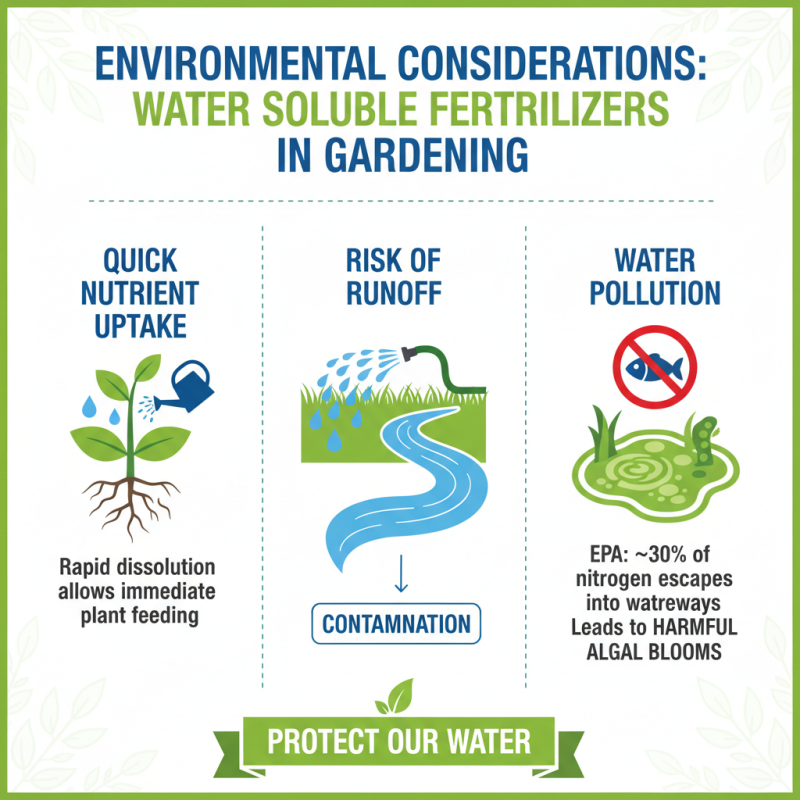
Using water soluble fertilizers in gardening has raised important environmental considerations. These fertilizers dissolve quickly in water, allowing for immediate nutrient uptake by plants. However, their rapid application can lead to runoff, which may contaminate nearby water sources. A report from the Environmental Protection Agency highlights that roughly 30% of nitrogen fertilizers can escape into waterways, contributing to harmful algal blooms.
While water soluble fertilizers are effective for plant growth, they require careful management. Excessive use can lead to nutrient leaching, which can degrade soil quality over time. To mitigate these risks, regular soil testing is recommended. This ensures that gardeners apply only the necessary nutrients, reducing waste and environmental impact.
Tip: Always follow local guidelines for fertilizer application rates. Knowledge of your soil's nutrient status helps to apply fertilizers more judiciously. Consider using slow-release alternatives during the growing season for sustained feeding. This can support optimal growth while minimizing leaching and runoff. Balancing immediate plant needs with long-term soil health is crucial in sustainable gardening practices.