How to Use Calcium Nitrate for Tomatoes Effectively?
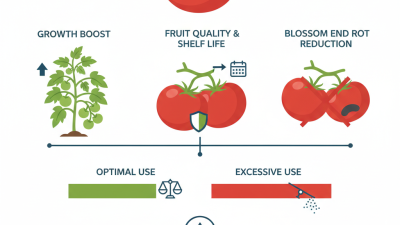
Calcium Nitrate for Tomatoes is a vital topic for growers seeking optimal yields. Numerous studies indicate that calcium nitrate improves fruit quality and plant health. According to research from the American Society for Horticultural Science, using calcium nitrate can increase tomato yields by up to 25%. This nutrient aids in cell wall structure, making tomatoes firmer and more resilient.
Understanding how to apply calcium nitrate effectively is essential. Too much can lead to nutrient imbalance, affecting growth. Farmers must find the right dosage based on soil tests. A general recommendation is to use 100-150 pounds per acre, but this varies. Observations of plant responses can guide adjustments.
Incorporating calcium nitrate is not without challenges. Excessive application can also create salt build-up in the soil. Regular monitoring of soil salinity is crucial to avoid detrimental effects. Growers need to remain vigilant and adapt practices based on detailed observations and results.

Understanding Calcium Nitrate and Its Benefits for Tomato Plants
Calcium nitrate is an essential nutrient for tomato plants. It supplies both calcium and nitrogen, vital for their growth and development. Calcium strengthens cell walls, preventing issues like blossom end rot. Nitrogen is crucial for leafy growth and overall plant vigor. Understanding how to apply calcium nitrate effectively can enhance your tomato yield.
When using calcium nitrate, timing and application method are key. It's best to apply it during transplanting or at the first sign of flowering. This ensures that the plants receive nutrients when they need them most. Dilute the granules in water and apply it directly to the soil. Over-application can lead to excess nitrogen, which may result in lush foliage but poor fruit production.
Observe your plants closely. If leaf edges turn dark or if growth appears stunted, reassess your fertilizer regimen. Each garden’s soil composition differs, affecting nutrient availability. Regular soil testing can help optimize calcium nitrate usage. Remember, balance is essential. Too little or too much can be detrimental. Sustainable practices lead to healthier plants and a better harvest in the long run.
How to Use Calcium Nitrate for Tomatoes Effectively?
| Aspect |
Details |
| Nutrient Composition |
15% Calcium, 15% Nitrogen |
| Benefits |
Prevents blossom end rot, promotes strong cell structure, enhances fruit quality |
| Application Rate |
1-2 tablespoons per gallon of water |
| When to Apply |
At planting, and every 4-6 weeks during the growing season |
| Recommended Method |
Soil drench or foliar spray |
| Storage |
Store in a cool, dry place away from moisture |
| Safety Precautions |
Wear gloves and a mask when handling; avoid contact with eyes |
Optimal Timing for Applying Calcium Nitrate in Tomato Cultivation
Timing is crucial when applying calcium nitrate in tomato cultivation. Generally, the best time to apply it is during the early growth stage. This helps the plants absorb nutrients effectively. It’s also essential to consider soil conditions. Ensure that the soil is moist but not overly saturated. This allows for better nutrient uptake.
Applying calcium nitrate at transplanting time can also be beneficial. This gives the tomato plants an immediate source of nutrients. Additionally, a second application can occur about three to four weeks later. Watch for signs of nutrient deficiency. Brown spots on leaves may indicate a need for calcium.
Tips: Always conduct a soil test before application. This will help determine nutrient levels. Monitor weather conditions as well. Rain can wash away nutrients, reducing their effectiveness. Overapplication can lead to nutrient imbalances. Regularly assess your plants’ growth and adjust accordingly.
Recommended Application Rates and Methods for Calcium Nitrate
When using calcium nitrate for tomatoes, accurate application rates are crucial. Research suggests a concentration of 1-2 pounds per 100 square feet of garden space. This range supports healthy tomato growth and prevents blossom-end rot, a common nitrogen deficiency symptom. Applying calcium nitrate at this rate ensures that tomatoes receive adequate calcium and nitrogen, essential for strong cellular structures and leaf development.
Timing is equally important. A split application method works well. Apply half when planting and the other half during the flowering stage. This approach delivers nutrients when plants need them most. Soil tests can provide insights into existing nutrient levels. Adjustments based on these tests can optimize the calcium nitrate application.
Be cautious not to overapply. Excessive calcium can lead to the uptake of other nutrients being hindered, like magnesium and potassium. Too much nitrates can cause plant stress. Monitoring plant health and soil conditions helps fine-tune the application process. Using calcium nitrate effectively takes practice. Some growers find trial and error essential in achieving the perfect balance.
Monitoring Tomato Growth and Nutrient Needs After Application
Monitoring your tomato plants after applying calcium nitrate is crucial for optimal growth. Begin by observing leaf color and structure. Healthy leaves should be vibrant green and firm. Yellowing or curling leaves may indicate nutrient deficiencies or excesses. Check for signs of blossom end rot, a common issue related to calcium levels.
It's also essential to monitor soil moisture and drainage. Tomatoes require consistent watering, but overwatering can lead to root problems. Use a moisture meter to assess the soil’s condition. Adjust your watering schedule based on weather changes. Sometimes, excessive rainfall can leach nutrients, necessitating a reevaluation of your nutrient strategy.
Regularly inspecting fruit development adds to your understanding of nutrient needs. Unripe tomatoes should grow steadily and uniformly. Irregular sizes or shapes may indicate imbalanced nutrients. Take note of any areas where growth appears stunted. Reflect on your fertilization methods and adjust as necessary. This careful monitoring helps you fine-tune calcium nitrate use and supports robust tomato production.
Common Issues and Solutions When Using Calcium Nitrate for Tomatoes
Using calcium nitrate for tomatoes can significantly improve plant health and yield. However, common issues can arise, leading to inconsistencies in growth. One prevalent problem is nutrient imbalance. Excess calcium can hinder the absorption of essential micronutrients like magnesium and potassium. According to research, optimal calcium levels should be maintained to avoid deficiencies, impacting overall fruit quality.
Another common issue is root burn caused by improper application rates. Over-fertilization can lead to severe damage, affecting not only root health but also fruit development. Studies suggest that a targeted approach, with a focus on soil testing, allows for better calibration of calcium nitrate applications. For example, soil pH should be monitored regularly. A pH level above 6.5 can reduce nutrient availability, leading to poor tomato health.
Lastly, water management is crucial. Calcium nitrate requires adequate moisture for efficient uptake. Inconsistent watering can cause fluctuations in nitrate levels, leading to blossom end rot. Implementing a consistent watering schedule and mulching can help maintain stable moisture levels. Close attention to these details can mitigate many common issues associated with calcium nitrate use in tomato cultivation.
Usage of Calcium Nitrate in Tomato Cultivation
This chart demonstrates the growth percentage of tomatoes over four weeks after applying calcium nitrate. The data indicates a consistent growth increase, showcasing the effectiveness of calcium nitrate in tomato cultivation.