Leave Your Message
Choosing a reliable supplier for Calcium Nitrate For Tomatoes takes more than comparing prices. Growers need consistent product specifications, clear handling guidance, and dependable delivery when plants are setting fruit. A useful paraphrase of horticulturist Dr. Linda Chalker-Scott’s evidence-based approach is: “Match nutrients to the plant’s actual needs; more is not automatically better.” This is a paraphrase, not a verbatim quotation.
Calcium nitrate supplies calcium and nitrogen, but results depend on the crop, soil or water conditions, and application method. Calcium helps build plant cell walls. Yet blossom-end rot can also reflect uneven watering or limited calcium movement inside the plant, not simply a shortage in the fertilizer bag. Picture a dry greenhouse bed after several hot afternoons: adding more fertilizer may not solve the underlying moisture swing. Test first.
This guide examines what buyers should ask potential suppliers: Is the guaranteed analysis clearly stated? Are batch documents available? Can the supplier explain storage, dissolution, and suitable use for tomato production? We also consider packaging, delivery reliability, and technical support. These details matter when bags arrive before transplanting, or when a fertigation system needs a product that dissolves consistently.
No supplier can promise a perfect harvest. That deserves saying plainly. Product quality, local water, crop stage, and grower practice all shape performance. The best choice is a transparent supplier whose documentation is easy to verify and whose recommendations fit your growing conditions. Check current product labels and obtain qualified local advice before changing a nutrient program.
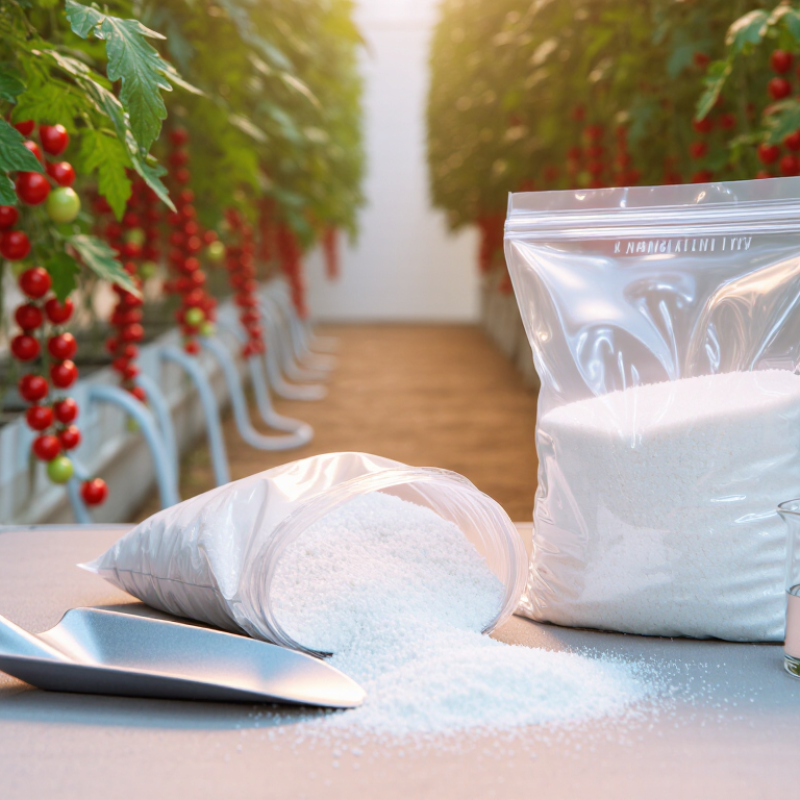
China Best Calcium Nitrate for Tomatoes Supplier?
What Calcium Nitrate Is and How It Supports Tomato Growth
Calcium nitrate is a water-soluble fertilizer that supplies tomatoes with calcium and nitrate nitrogen. The nitrogen supports leafy growth and chlorophyll production, while calcium helps build strong cell walls in developing tissues. It is especially relevant during steady fruit development, when plants need reliable access to both nutrients.
Small amounts matter. A grower may dissolve it in irrigation water and apply it evenly around the root zone, following soil or growing-media test results and product directions. Calcium supports firm new growth, but it cannot repair fruit already affected by blossom-end rot. That disorder may involve irregular watering, damaged roots, or other nutrient imbalances—not simply too little calcium in the soil.
Watch the plants and the growing conditions. Pale older leaves can suggest nitrogen shortage, while distorted young growth may warrant checking calcium availability and root health. Not always. Symptoms overlap, so visual inspection alone is an imperfect guide. Excess fertilizer can raise salt levels and stress roots, particularly in containers or dry beds. Consistent moisture, sound drainage, and measured feeding usually matter more than adding extra fertilizer after a problem appears.
| Topic | Factual Information | Relevance to Tomato Production |
|---|---|---|
| What calcium nitrate is | A water-soluble fertilizer that supplies calcium and nitrate nitrogen. Its chemical formula is Ca(NO3)2. | Provides two essential plant nutrients in a form commonly used in fertigation and other fertilizer programs. |
| Typical nutrient analysis | A commonly sold greenhouse-grade analysis is approximately 15.5% total nitrogen and 19% calcium by weight. Product analyses can vary, so check the fertilizer label. | Nitrogen supports vegetative growth, while calcium contributes to cell walls and normal growth of developing tissues. |
| Role of nitrate nitrogen | Nitrate is a plant-available form of nitrogen that roots can absorb. | It supports leaf and stem growth. Excessive nitrogen can encourage lush vegetative growth and may delay fruit production, so rates should match crop needs. |
| Role of calcium | Calcium is a structural nutrient involved in cell-wall stability and normal development of growing points. | Adequate calcium availability supports healthy root, leaf, and fruit tissues, but it does not guarantee freedom from fruit disorders. |
| Blossom-end rot | Blossom-end rot is a physiological disorder associated with insufficient calcium reaching the developing fruit. Irregular water supply and other conditions can restrict calcium movement within the plant. | Maintain even soil moisture and balanced crop nutrition. Adding calcium alone may not resolve the problem if water uptake or calcium transport remains disrupted. |
| Water management | Tomatoes need a consistent supply of water; large swings between dry and wet conditions can interfere with nutrient uptake and transport. | Use irrigation practices suited to soil type, weather, and crop stage. Avoid allowing plants to become severely dry between irrigations. |
| Application methods | Calcium nitrate can be applied through fertigation or as a soil-applied fertilizer when appropriate for the production system and product label. | Choose the method and rate based on soil or water tests, the existing nutrient program, crop stage, and local recommendations. |
| Fertilizer compatibility | Concentrated calcium nitrate solutions can form precipitates when mixed with concentrated sulfate- or phosphate-containing fertilizers. | In fertigation systems, keep incompatible concentrates in separate stock tanks and follow the equipment and fertilizer instructions. |
| Selecting a product | Compare the guaranteed nutrient analysis, solubility information, product condition, packaging, and handling instructions. Composition and specifications can differ among products. | Use a product suitable for the intended application system and confirm that its nutrient contribution fits the tomato crop’s overall fertilizer plan. |
| Use and safety | Follow the product label for storage, handling, application rate, and protective measures. Avoid applying fertilizer directly in contact with seeds or roots unless the label specifically permits it. | Careful handling and rate management help reduce the risk of plant injury and excess nutrient application. |
| Note: Nutrient percentages and application guidance are product- and region-dependent. Base fertilizer decisions on the product label, soil or water testing, and locally appropriate agronomic recommendations. | ||