Leave Your Message

What Is Water Soluble Indoor Plant Fertilizer?

Water Soluble Indoor Plant Fertilizer dissolves in water to deliver nutrients through a measured liquid feed. It is convenient. A capful can mix into a watering can beside a pothos or peace lily. But soluble does not mean automatically safe, complete, or suitable for every plant. Concentration, watering habits, light, and growth stage all matter.

The USDA National Agricultural Statistics Service’s Floriculture Crops 2023 Summary tracks commercial sales of foliage plants, showing that indoor greenery belongs to a substantial U.S. horticulture sector. That report measures crops and sales, not household fertilizer use. The distinction matters: industry figures cannot tell you how often a particular plant needs feeding. Horticulturist Linda Chalker-Scott offers a useful reminder: “Fertilizers are not plant food.” Plants make sugars through photosynthesis; fertilizer supplies mineral nutrients. This is an important difference.

In practical terms, a water-soluble fertilizer lets growers adjust the amount mixed into each watering. Follow the product label, and avoid guessing with concentrated solutions. Pale leaves may suggest a nutrient issue, but they can also signal poor light, damaged roots, or excess water. Look closely. A yellow leaf alone is not a diagnosis. Even careful feeding has limits, and indoor conditions are rarely as consistent as a label’s instructions imply. Understanding what this fertilizer can—and cannot—do makes it easier to choose a sensible routine.
What Is Water Soluble Indoor Plant Fertilizer?

What Water-Soluble Indoor Plant Fertilizer Is

Water-soluble indoor plant fertilizer is a concentrated nutrient product that dissolves in water before application. It supplies minerals such as nitrogen, phosphorus, and potassium in a form roots can take up with moisture. Some formulas also contain trace elements, including iron and magnesium. The exact nutrient balance varies, so the product label matters more than a general rule.

It is easy to assume that a weak-looking plant needs more fertilizer. That can be wrong. Pale leaves may also reflect poor light, overwatering, or damaged roots.

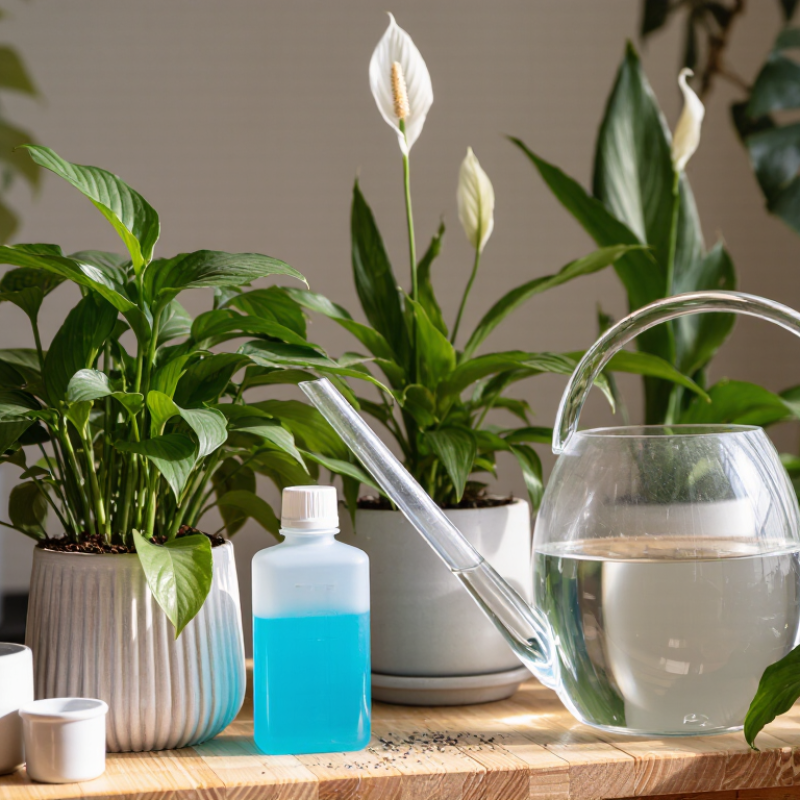
Mix the fertilizer at the label’s stated rate, and apply it to already moist potting mix rather than dry roots. A measuring spoon and a marked watering jug help prevent guesswork.

More is not better. Repeated heavy feeding can leave excess mineral salts in the pot, sometimes visible as a pale crust on the soil surface.

Indoor plants often grow slowly in dim winter rooms, so they may need less frequent feeding than during active growth. Even careful routines need adjustment; watch the plant’s new leaves and growth, not just the calendar.
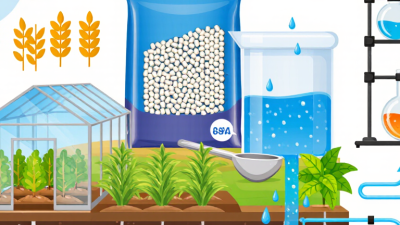
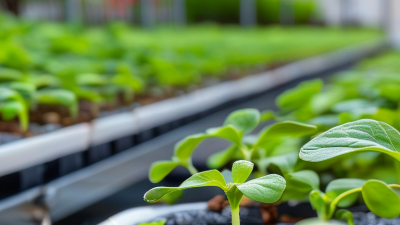
How It Dissolves and Supplies Nutrients

Water-soluble indoor plant fertilizer is a concentrated source of nutrients mixed into water before use. As it dissolves, many of its nutrients become ions in the solution, ready to move with water through the potting mix. Plant roots absorb these nutrients along with water, using elements such as nitrogen, phosphorus, and potassium for growth and essential plant functions.

The powder or crystals may disappear quickly, but that does not mean a plant receives every nutrient instantly. Water carries the dissolved nutrients through the mix, while roots absorb them at their own pace. Moisture, root health, and the growing medium all affect uptake. The process is simple, but it is not magic.

Mix the fertilizer according to its label, and apply it to already moist soil when possible. A strong solution can leave excess salts around roots, especially in a small pot with limited drainage. Pale leaves might signal a nutrient issue, but poor light or watering problems can look similar. It is easy to blame fertilizer too soon. Check the plant’s conditions before changing the dose, and watch how new growth responds over the next few weeks.

Common Nutrients and Formulations

Water-soluble indoor plant fertilizers deliver nutrients in a form that mixes into irrigation water. Most list three main nutrients as N-P-K: nitrogen, phosphorus, and potassium. Nitrogen supports leafy growth, while phosphorus contributes to root development and flowering. Potassium helps plants manage water and ordinary stress. For many foliage plants, a balanced formula or one with relatively more nitrogen is adequate; extra phosphorus is not automatically better.

Complete formulations may also contain calcium, magnesium, and sulfur, plus trace elements such as iron, manganese, zinc, copper, boron, and molybdenum. These are needed in smaller amounts, but a deficiency can still show in pale leaves or weak growth. Chelated iron is often included because it stays available in some growing conditions. Read the guaranteed analysis, though: not every formula contains every nutrient.

Products commonly come as dry crystals or liquid concentrates. Both should dissolve or dilute fully before watering, following the label rather than guessing from leaf size. Stronger is not faster. Repeated feeding can leave salts around the pot rim, especially when little water drains through. A lower dose may suit a slow-growing plant, but that judgment is imperfect; light, season, and potting mix all change how much it uses. My own rule would be to watch new growth, not just the fertilizer ratio.

How to Choose and Apply It

Water-soluble indoor plant fertilizer dissolves in water, making nutrients easy to measure and distribute during watering. To choose one, check the nutrient numbers on the label and match them to your plant’s needs. A balanced formula can suit many foliage plants, while flowering plants may need a different nutrient blend. The label matters more than a “strong” formula. Look for clear dilution directions and instructions for indoor use. If your plant is already growing well, extra nutrients may do more harm than good.

Apply fertilizer to soil that is already slightly moist, not bone-dry. Measure the product carefully, then dilute it exactly as directed; stronger is not better. Pour slowly around the soil until a little water drains from the pot, and empty the saucer afterward. Start gently. During active growth, many houseplants can be fed periodically, but needs vary with species, light, season, and potting mix. In winter, growth often slows, so reduce feeding or pause if the plant is not growing. Watch for brown leaf tips, a crust on the soil, or wilting despite damp soil. These signs can have other causes, but excess fertilizer is worth considering. There is no perfect schedule; keeping notes may help you adjust without guessing.

What Is Water Soluble Indoor Plant Fertilizer? - How to Choose and Apply It

Fertilizer type Illustrative N–P–K analysis Best suited for How to choose Practical application guidance
Balanced, complete formula For example, 20–20–20 A range of established foliage plants during active growth Look for a water-soluble product that also lists needed secondary nutrients or micronutrients, when available. Dissolve in water according to the label. If the label permits, begin at a reduced strength; apply to already-moist potting mix.
Nitrogen-leaning formula For example, 30–10–10 Actively growing leafy plants when additional nitrogen is appropriate Choose based on the plant’s growth needs and the potting mix; a higher first number does not mean it is suitable for every plant. Follow the product label carefully. Avoid repeated feeding if growth is slow or the plant is stressed.
Phosphorus-leaning formula For example, 10–30–20 Specific situations where a plant’s care guidance calls for a different nutrient balance Do not select it solely to encourage flowering; many indoor plants do not need extra phosphorus. Use only at the label rate and for an appropriate plant. More fertilizer is not a substitute for suitable light and care.
Low-strength or reduced-dose feeding Depends on the product; use a diluted label dose Plants sensitive to salts, or cautious feeding during active growth A practical approach when plant response is uncertain; check whether the label gives guidance for indoor plants. Some growers use one-quarter to one-half of the label concentration, but the product label and plant response should guide the dose.
General timing and care Not applicable Most indoor plants, with adjustments for species and growing conditions Growth rate, light, season, potting mix, and plant-specific instructions all affect feeding needs. Feed mainly while the plant is actively growing. Reduce or pause feeding during dormancy or stress. Periodically water thoroughly to help limit fertilizer-salt buildup.

N–P–K numbers indicate the labeled percentages of nitrogen, available phosphate, and soluble potash by weight. The example analyses above describe common fertilizer ratios, not a recommended dose or a requirement for every houseplant. Always follow the product label, and keep fertilizer solution off leaves unless the label specifically allows foliar use.

Storage, Safety, and Common Limitations

What Is Water Soluble Indoor Plant Fertilizer?

Water-soluble indoor plant fertilizer is a concentrated nutrient product mixed with water before use. Store it in its original, tightly closed container, somewhere cool and dry. A shelf above a laundry sink may seem convenient, but splashes and humidity can cause clumping. Moisture is the enemy. Keep the container away from children, pets, and food, and use a dry scoop to avoid contaminating the contents.

When mixing, follow the package directions and measure carefully; stronger is not better. Wear gloves if your skin is sensitive, avoid breathing powder, and wash your hands afterward. If fertilizer gets in your eyes, rinse with clean water. Do not store mixed solution indefinitely: nutrients may settle, and an open container can collect dust. Label any temporary container clearly. That small step is easy to forget.

These fertilizers have limits. They provide nutrients, not adequate light, healthy roots, or consistent watering. Overuse can leave salts on the soil surface or create brown leaf tips, especially in small pots with little drainage. Plants with damaged roots may also struggle to absorb nutrients. A weak-looking plant does not always need feeding; sometimes its soil is too wet. I still find it tempting to add a little extra, but that guess can cause more trouble than patience.

What Is Water-Soluble Indoor Plant Fertilizer?

Water-soluble fertilizer dissolves in water so nutrients can be applied in a watering solution. The chart shows an illustrative 20-20-20 fertilizer grade: the three numbers represent 20% by weight each of total nitrogen (N), available phosphate expressed as P₂O₅, and soluble potash expressed as K₂O. It is an example, not a recommendation or a specific product.

Storage and safety: Keep the dry fertilizer sealed in its original container, in a cool, dry place away from children, pets, food, and moisture. Follow the product label for dilution and application; concentrated or excessive fertilizer can injure plants, and spilled fertilizer should be kept out of drains and waterways. Formulas and storage directions vary, so check the label.